The Man Trump Picked to Run the Fed Says He Won't Do What Trump Wants
What happened
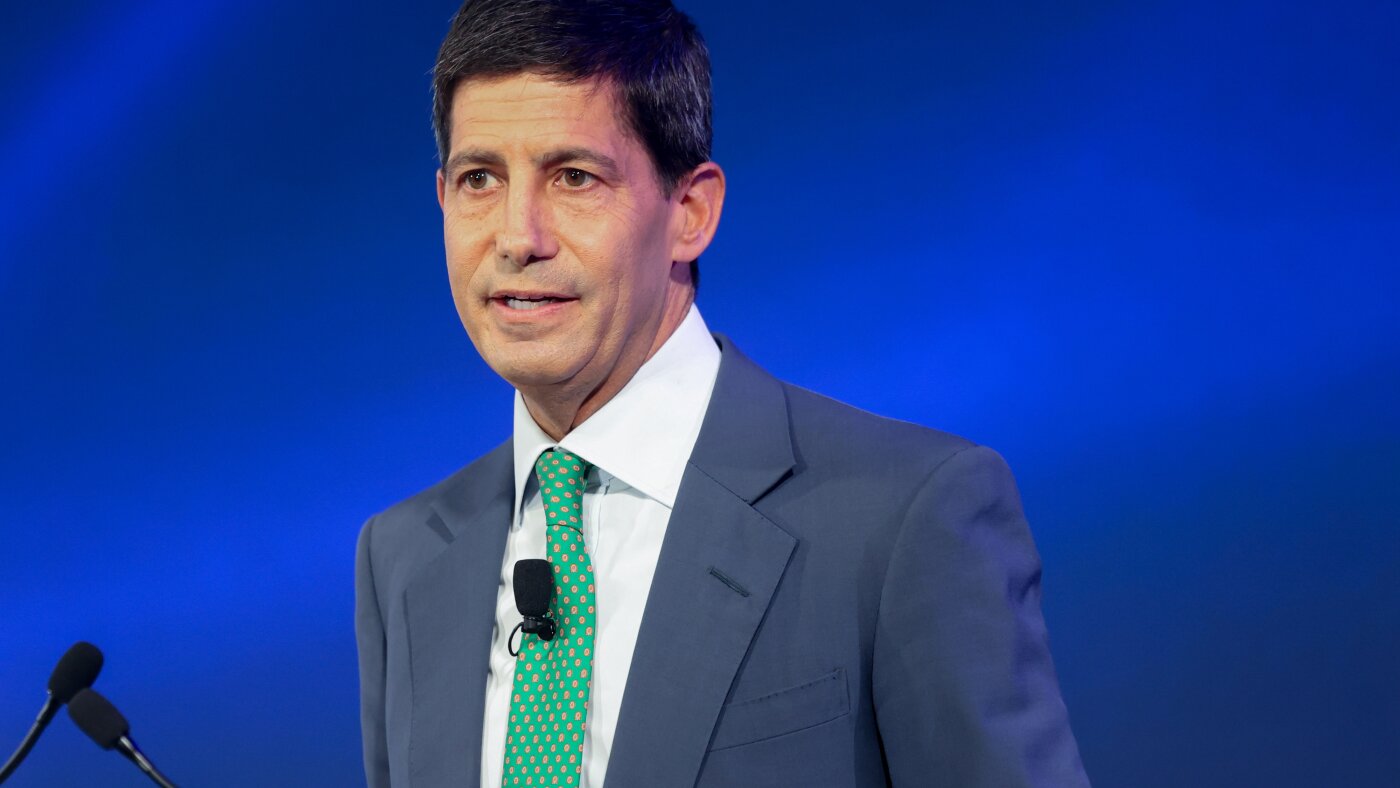
Kevin Warsh, Trump's nominee to succeed Jerome Powell as Federal Reserve chair, testified before the Senate Banking Committee on April 21. He pledged that the Fed would remain 'strictly independent' in setting monetary policy, denied making any commitment to Trump on rate cuts, and said the Fed should 'stay in its lane' by avoiding climate and social policy. Hours before the hearing, Trump told CNBC he expected his nominee to cut rates immediately. Republican Senator Thom Tillis separately threatened to block Warsh's confirmation until the DOJ drops a criminal investigation of Powell over headquarters renovation costs. Polymarket markets give Warsh's nomination essentially no chance of being withdrawn but show significant uncertainty about whether Republican moderates like Murkowski will vote to confirm him (60% probability). The FOMC meets April 28-29.
The question is not whether Warsh will be independent; it is whether 'independence' has been redefined to mean something compatible with what Trump wants, which would make the independence pledge technically true and functionally empty.
Prediction Markets
Prices as of 2026-04-25 — the analysis was written against these odds
The Hidden Bet
Warsh's dovish pivot on rates reflects genuine analytical updating
Warsh was among the most vocal inflation hawks in Fed history during his prior stint as a governor from 2006 to 2011. His current view, that AI-driven productivity gains will suppress inflation and allow for rate cuts, is a real theory, but it aligns precisely with what Trump wants to hear, and it emerged after Trump selected him. His testimony did not explain what new evidence changed his prior views, only that the conclusion had changed.
The FOMC's 12-voter structure makes any single chair's political bias irrelevant
The chair sets the agenda, controls communications, and establishes the intellectual frame through which other governors evaluate data. A dovish chair can shift the default interpretation of ambiguous signals in ways that 12 votes can't reverse without a visible, politically embarrassing confrontation. The structure limits outright unilateralism, but it does not prevent sustained directional bias.
The Tillis holdout over the Powell investigation is a sideshow
The DOJ investigation of Powell over a $2.4 billion cost overrun on the Fed's headquarters is the most direct political attack on the Fed's institutional independence since the 1970s. If Tillis's condition is met and DOJ drops the probe, it establishes that the administration can use criminal investigations as leverage over the central bank. That precedent matters more than Warsh's rate decisions.
The Real Disagreement
The fork is between two readings of Warsh's hearing posture. One reading: he is a genuinely independent actor who happened to evolve his views in a direction that aligns with political convenience, and the independence pledge is real because he has no motive to perjure himself before the Senate. The other reading: he is a sophisticated operator who has learned how to perform independence while delivering the politically desired outcome, and the performance is made easier because 'independence' now means not commenting on fiscal policy, which is different from resisting rate-cut pressure. The second reading is more consistent with how every Fed chair who survived a contentious relationship with a president has operated: by finding analytical frameworks that produce politically acceptable conclusions without appearing to capitulate. What would resolve this is watching whether Warsh votes against rate cuts when the unemployment data argues for them, which is the only test independence can actually pass.
What No One Is Saying
The DOJ investigation of Powell gives Trump something far more valuable than a compliant Fed chair: it gives him a sword he can hold over any future chair, of any party, who considers defying him on rates. The Warsh confirmation is almost secondary to the precedent being set by using a criminal probe to manage the central bank.
Who Pays
Workers who benefit from a tight labor market
12-24 months after any premature rate cuts, if inflation reaccelerates
If Warsh cuts rates faster than inflation warrants, the Fed risks a second inflation wave. The people most harmed by inflation are low-wage workers with fixed-rate incomes and minimal savings, who cannot hedge against price increases the way higher-income households can
Future Fed chairs
Ongoing, as structural precedent
If a DOJ investigation is used to extract policy concessions from the current Fed chair, every future Fed chair operates under the implicit threat that non-compliance can be punished through the justice system
Global dollar-denominated debt holders
Slow-burn over years
The dollar's reserve currency status rests partly on confidence that the Fed cannot be politicized. Visible political interference in monetary policy, even if it produces the same rate decisions that would have happened anyway, erodes that confidence over time and raises the cost of dollar-denominated borrowing globally
Scenarios
Warsh Confirmed, Cuts Rates, Independence Myth Survives
Warsh is confirmed, the FOMC cuts rates in mid-2026 citing slowing inflation and AI productivity gains, Trump declares victory, and Warsh maintains the public posture of having made data-driven decisions. The 'independence' narrative is sustained because the cuts are defensible on their own terms.
Signal Murkowski votes yes, Tillis stand-down happens, confirmation proceeds before May 15
Confirmation Stalls, Powell Stays, Markets Price Political Risk
Tillis's hold extends, other Republican defections emerge, and the confirmation process drags into summer. Powell remains chair through the end of his term under a cloud. The ambiguity about who is actually running monetary policy creates a risk premium in bond markets.
Signal A 10-year Treasury yield spike of more than 30 basis points in May without a corresponding inflation data release
Warsh Defies Trump on Rates
Confirmed, Warsh actually holds rates higher than Trump wants as inflation stays elevated from Iran war energy prices, Trump attacks him publicly, Warsh does not resign. The confrontation validates the independence pledge and sets a real precedent, but only after months of political conflict that damages both institutions.
Signal Trump posts a named attack on Warsh on Truth Social after a Fed meeting where rates are held
What Would Change This
If the Iran war continues to push energy prices higher and inflation reaccelerates before Warsh is confirmed, the analytical case for rate cuts collapses regardless of political pressure. In that scenario, Warsh would face his first test before he has any political capital to spend.
Related
Trump Is Getting the Fed He Wanted. The Question Is What He'll Do With It.
powerKevin Warsh Clears Senate Banking Committee. The Fed's Independence Window Is Closing.
powerTrump Threatens to Fire Powell. The Market Says He Won't Get What He Wants Either Way.
powerTrump's Fed Pick Swore He Wouldn't Be Trump's 'Sock Puppet.' That's Exactly What a Sock Puppet Would Say.