The Fed Gets a New Chair Who Promised 'Regime Change'
What happened
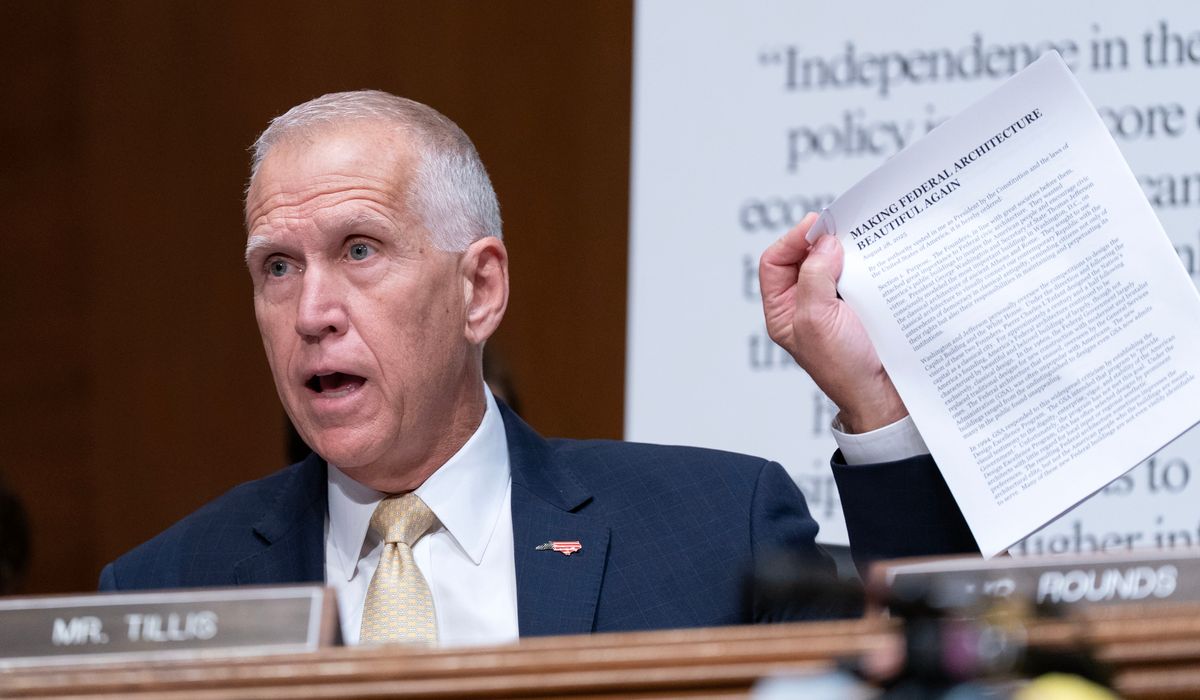
Senator Thom Tillis announced Sunday he would end his blockade of Kevin Warsh's Federal Reserve nomination after the Department of Justice dropped its criminal investigation into Chair Jerome Powell over renovation cost overruns at the Fed's building. The Senate Banking Committee is set to vote Wednesday; with Tillis on board, Warsh has the 13-11 Republican majority needed to advance. Powell's term as chair ends May 15. Warsh, a former Fed governor, promised 'regime change' at his confirmation hearing, saying he would overhaul how the Fed measures inflation and how it communicates, and suggested current inflation metrics overestimate price pressures.
Trump got a Fed chair who auditioned for the job by promising the rate cuts Trump wants, but the Iran war oil shock has made cutting rates inflationary, putting Warsh in the position of either delivering on his promise and igniting inflation or governing exactly like the predecessor he replaced.
Prediction Markets
Prices as of 2026-04-26 — the analysis was written against these odds
The Hidden Bet
Warsh's 'regime change' means lower rates
Warsh's most distinctive view is that the Fed's balance sheet should be smaller, meaning the Fed should sell down its enormous bond portfolio. That raises long-term yields even as short-term rates fall. 'Regime change' might mean higher mortgage rates and tighter financial conditions, not looser ones.
Warsh will be independent of Trump
Trump said he would be 'disappointed' if Warsh did not cut rates immediately. Warsh told senators he never promised Trump he would cut. These two statements are not compatible. One of them is accurate about Warsh's future behavior.
The DOJ probe is genuinely over
U.S. Attorney Jeanine Pirro wrote Friday that she 'will not hesitate to restart a criminal investigation if the facts justify doing so,' and Acting AG Todd Blanche confirmed the DOJ will investigate if the inspector general finds criminal evidence. The probe is paused, not closed.
The Real Disagreement
The genuine fork is whether central bank independence is a structural protection or a personal one. The institutional view says independence survives any chair because the FOMC's other voting members constrain anyone who overreaches. The skeptical view says the combination of Trump's public expectations, the DOJ's implicit threat to revive the Powell probe if needed, and Warsh's own confirmation testimony amounts to a soft capture of the Fed before he takes office. The FOMC's skepticism about rate cuts during an energy shock is the only concrete check on this. If Warsh overrides that skepticism, we learn independence was always personal.
What No One Is Saying
Jerome Powell can stay on the Fed's board as a governor until January 2028, voting on every rate decision, even after stepping down as chair. If Warsh pushes cuts that Powell and other governors believe are inflationary, the Fed's own internal dynamics could publicly fracture in a way that has no historical precedent. The world would be watching a sitting former chair vote against the current chair's policy in real time.
Who Pays
Mortgage holders and homebuyers
Beginning as soon as balance sheet reduction accelerates, likely within three to six months of confirmation
If Warsh cuts short-term rates but simultaneously shrinks the balance sheet, long-term yields rise. Mortgage rates, which track 10-year Treasuries, could stay elevated or increase even as the Fed funds rate falls. First-time buyers get the headline cut but not the actual relief.
Americans with fixed incomes during inflation
Slow-burn effect over 6-12 months if inflation re-accelerates
If Warsh cuts prematurely while inflation is at 3.3% and rising due to energy costs, purchasing power erodes further. Social Security COLA adjustments lag inflation by six months; retirees on fixed incomes absorb the gap.
Powell
Immediate reputational risk; legal risk contingent on inspector general findings
The DOJ investigation was dropped but not closed. Powell stays on the board as a governor. His continued presence as a visible dissenter on rate decisions makes him a target for reinstatement of the probe if the administration decides his dissent is politically inconvenient.
Scenarios
Warsh cuts over FOMC resistance
Warsh uses the chair's agenda-setting power to force rate cut votes. Some FOMC members dissent publicly. Inflation ticks up. Markets begin pricing in a policy error. Bond yields rise regardless of short-term rate cuts.
Signal Warsh schedules an emergency meeting or calls for a rate cut at the May 6-7 FOMC meeting before he is formally confirmed
Warsh holds rates, manages expectations
The Iran oil shock constrains him. He holds rates at 3.50-3.75% through summer. Trump's disappointment hardens. Warsh tries to satisfy Trump through rhetoric about future cuts without actually cutting, buying time for energy prices to stabilize.
Signal His first post-meeting statement emphasizes 'data dependency' language borrowed from Powell's playbook
Warsh's balance sheet reduction triggers a bond market shock
Aggressive reduction of the Fed's Treasury holdings raises 10-year yields above 5.5%. Mortgage rates spike. The housing market freezes. Growth slows faster than inflation, creating the stagflation scenario JPMorgan's Dimon warned about.
Signal Treasury yields rise more than 50 basis points in the month after Warsh's first policy statement
What Would Change This
If the Iran war ends quickly and energy prices fall sharply before Warsh's first FOMC meeting, the inflation constraint disappears and cutting rates becomes defensible. That would make Warsh look like a competent independent actor who was simply right about the inflation overshoot. It would also remove the most visible test of whether he is Trump's instrument or his own.