The Siege That Talks Are Supposed to End
What happened
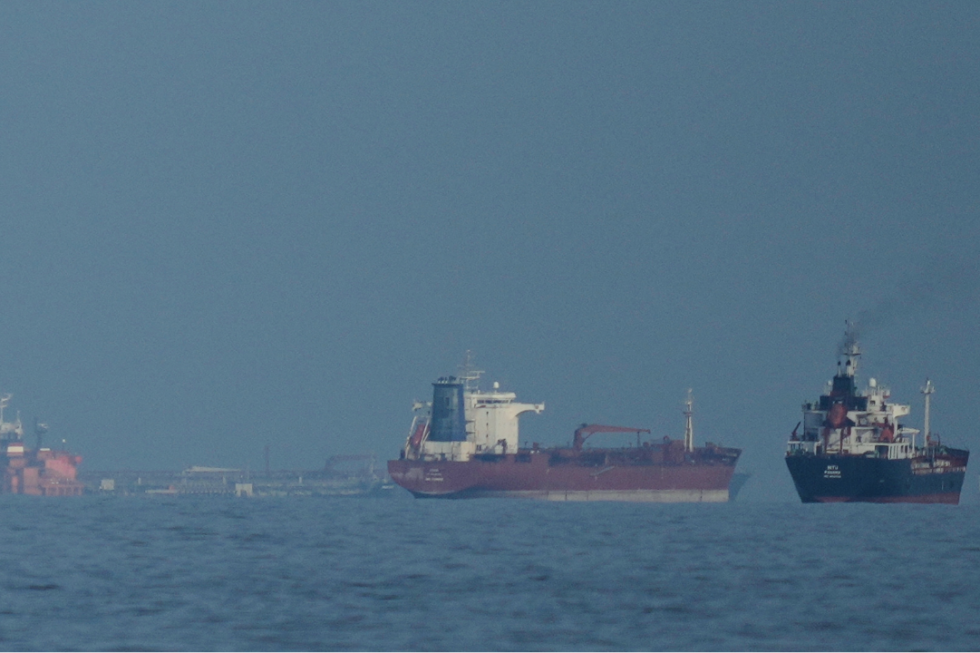
The US Navy's blockade of Iranian ports went fully into effect Monday, involving more than 10,000 troops, a dozen warships, and over 100 aircraft. US Central Command declared it has 'completely halted' Iran's seaborne trade, which accounts for roughly 90% of Iran's $109.7 billion annual maritime economy. The blockade came days into a shaky two-week ceasefire between the US-Israeli coalition and Iran. Even as CENTCOM made the announcement, Trump said peace talks in Pakistan could resume within days, and at least two tankers, including a Chinese-owned vessel with a history of carrying Iranian crude, transited the Strait of Hormuz anyway.
The blockade is a maximum-pressure instrument deployed inside a ceasefire, which is not diplomacy: it is a demand for surrender dressed up as a pause.
Prediction Markets
Prices as of 2026-04-16 — the analysis was written against these odds
The Hidden Bet
The ceasefire and the blockade are compatible policies
A blockade that 'completely halts' a country's seaborne trade is an act of economic warfare. Announcing peace talks while tightening the economic siege does not signal negotiation; it signals that the US considers Iran already defeated. Tehran may decide the ceasefire terms are humiliating enough to warrant resuming hostilities.
The blockade is actually working as described
Iran's state media claims tankers are transiting the Strait. AP's shipping data shows Chinese-owned vessels with sanctioned histories making the journey. The US is enforcing against vessels calling at Iranian ports, not all transit, and the distinction matters enormously for the global oil supply. If enforcement has meaningful gaps, the pressure instrument is weaker than advertised.
China will comply with US enforcement pressure
The Alicia, a Chinese-owned tanker sanctioned under a prior name for carrying Iranian crude, transited the Strait the night after the blockade was declared fully implemented. If Beijing decides to run tankers through as a quiet signal of non-compliance, the US faces an escalation choice it has no good answer to.
The Real Disagreement
The fork is whether maximum pressure during a ceasefire accelerates a deal or kills it. The case for pressure: Iran agreed to the ceasefire because of economic pain, so more pain produces more concessions faster. The case against: a state that has already absorbed military strikes and a trade blockade simultaneously may conclude that negotiating from this position sets a precedent too dangerous to accept, making resumed war preferable to a deal that looks like unconditional surrender. The market gives a 80.5% chance the blockade is lifted by May 31, which implies traders expect a deal. But a deal at what terms, and who decides when those terms are met, is exactly the question that killed the last round of talks. I lean toward the pressure-works argument in the short term, but the Chinese compliance gap is the variable that could flip it fast.
What No One Is Saying
The US is simultaneously blockading Iran and calling for talks in Pakistan. Pakistan is also the country the US needs to keep on side to sustain the blockade logistics. If Pakistan decides the political cost of hosting US-Iran negotiations while US ships choke Iranian trade is too high, the talks venue evaporates and the diplomatic path closes without anyone having to formally end negotiations.
Who Pays
Iranian civilians and small importers
Weeks, not months; Iran's import-dependent sectors feel the shortfall immediately
90% of Iran's seaborne trade halted means medicine, food, and industrial inputs blocked alongside oil exports. The civilian population absorbs the import squeeze before the government's foreign reserves run out.
Global oil markets and importing nations
Ongoing; the Iran war is already cited by the Federal Reserve as a driver of recent US price increases
Strait of Hormuz carries roughly 20% of global oil. Even if the blockade technically exempts non-Iranian transit, the risk premium is already embedded in oil prices and energy inflation is cascading into consumer goods.
Chinese shipping companies
Immediate, as individual vessels are forced to choose routes
Chinese-owned vessels that have historically called at Iranian ports face secondary sanctions risk if caught. Beijing is calculating whether to comply quietly or push back, and the answer will define the blockade's real reach.
Scenarios
Pressure deal
Iran accepts terms in Pakistan within two weeks. Blockade lifts. Trump declares victory. Terms include significant curbs on uranium enrichment but stop short of full dismantlement.
Signal Iran returns to Pakistan talks before April 20 and drops preconditions on sanctions relief
Chinese breakout
China begins routing multiple tankers through the Strait openly, daring the US to sanction PRC state entities. The blockade frays. US faces secondary-sanctions escalation with its largest creditor.
Signal More than three Chinese-flagged or Chinese-owned vessels transit to Iranian ports in a single week without US enforcement action
Ceasefire collapse
Iran calculates that the terms on offer require it to surrender before talks begin, resumes missile strikes. US responds with air operations. Oil spikes past $130.
Signal Iran formally withdraws from Pakistan talks, cites blockade as a precondition violation
What Would Change This
If Iranian negotiators arrive in Pakistan without preconditions and talks produce a joint statement within a week, the pressure-deal scenario is confirmed and the bottom line is wrong. If China openly sanctions-busts the blockade without US response, the coercive instrument collapses and the entire analysis changes.