The Strait Nobody Can Open
What happened
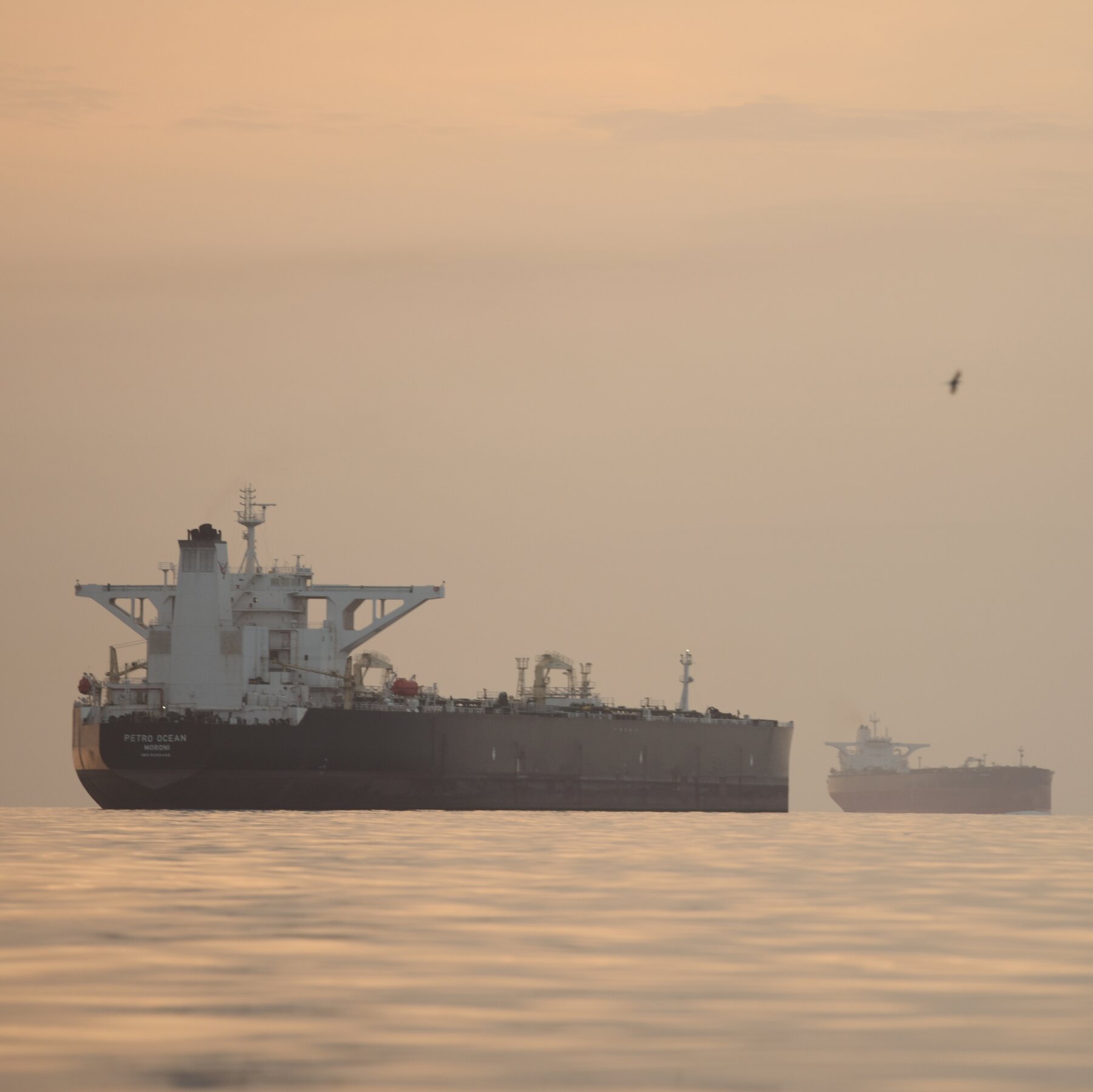
The US Navy's blockade of the Strait of Hormuz entered its fourth week, with American vessels continuing to intercept ships attempting to reach Iranian ports and Iranian threat-of-attack fears keeping most commercial shipping out of the narrow waterway. Russia has opened a parallel supply route via the Caspian Sea, shipping military and commercial goods to Tehran despite the maritime siege. A temporary ceasefire announced last week produced no durable halt to fighting, with Israel continuing strikes in Lebanon and Iran-backed groups conducting counter-attacks. Ceasefire talks brokered through Pakistan have stalled.
The blockade is working well enough to hurt Iran and not well enough to break it, which means it is most useful as leverage that neither side is prepared to spend.
Prediction Markets
Prices as of 2026-05-10 — the analysis was written against these odds
Will Donald Trump announce that the United States blockade of the Strait of Hormuz has been lifted by May 31, 2026?
Polymarket · as of 2026-05-10
41%
yes
US x Iran permanent peace deal by May 31, 2026?
Polymarket · as of 2026-05-10
28%
yes
Iran agrees to surrender enriched uranium stockpile by December 31, 2026?
Polymarket · as of 2026-05-10
45%
yes
The Hidden Bet
The Caspian route is a workaround that softens the blockade's bite
The Caspian can move goods but not oil at scale. Iran's primary economic wound is the halt to petroleum exports, not imports. Russia is helping Iran survive, not thrive.
A ceasefire deal is possible if the US and Iran negotiate seriously
The market for a permanent peace deal by May 31 is at 28.5%. The deeper problem is that the Trump administration started this war partly to prevent Iranian nuclear capability, and Iran has refused to surrender enriched uranium (44.5% odds of doing so by December). No ceasefire resolves that.
The blockade is costing Iran more than it costs the US
Global fuel prices have surged 24% in 2026 according to the World Bank. The pain is diffuse: lower-income Americans are driving less, Asian importers are scrambling, and oil company profits are generating windfall-tax debates in Europe. Iran absorbs one concentrated wound; everyone else absorbs distributed ones.
The Real Disagreement
The core fork: is the blockade a coercive tool aimed at a deal, or a punishment meant to change Iran's regime calculus permanently? If it is leverage, the US must at some point offer Iran a path to relief. If it is punishment, relief is beside the point and the US is committed to indefinite economic siege. The two postures require completely different negotiating behavior. Trump's public statements suggest the latter; Pakistan's mediation role suggests the former. Both cannot be true simultaneously. The leverage reading is more likely to prevent regional escalation, but it requires the US to accept an Iran that still exists as a functioning state.
What No One Is Saying
The blockade's real deadline is not Iranian exhaustion but American midterm elections in November. A six-month war with soaring fuel prices is a political liability. Trump needs either a visible win or a visible exit before October.
Who Pays
Pakistani workers in the UAE
Now, with deportations accelerating week over week
UAE is expelling Pakistani laborers en masse as retaliation for Islamabad's mediation role. Hundreds of thousands of remittance workers face deportation, collapsing household incomes in Pakistan's already stressed economy.
Asian fuel importers, especially India, Japan, and South Korea
Already paying; gets worse if blockade extends past 60 days
Hormuz handles roughly 20% of global oil trade. With the strait effectively closed, Asian buyers are paying spot-market premiums and scrambling for alternative routes. Supply tightness is building into refinery shutdowns.
Low-income American households
Ongoing; concentrated in rural and outer-suburban areas with no transit alternatives
Gas prices have soared as Iranian oil exits global markets. Lower-income households spend a higher share of income on fuel and are driving less, cutting into labor market participation in sectors that require commuting.
Scenarios
Managed climb-down
Pakistan brokers a sequenced deal: Iran agrees to freeze enrichment above 60%, US lifts the blockade, a monitoring framework is negotiated over 90 days. Hormuz reopens. Oil prices drop sharply.
Signal A formal US-Iran diplomatic meeting takes place in a neutral country. Market: 75.7% odds that no qualifying meeting happens by June 30, so watch for that signal to flip.
Frozen conflict
No deal; no escalation. The blockade continues at current intensity, Iran survives via Caspian and black-market routes, global oil prices stabilize at the new high baseline. The war becomes a slow economic siege.
Signal The Polymarket 'blockade lifted by May 31' contract (currently 40.5%) fails to resolve yes by June 1.
Escalation
Iran or a proxy force conducts a major attack on US naval assets or a Gulf oil facility. Trump responds with broader strikes. The war expands beyond its current semi-contained state.
Signal A US warship is struck or a Saudi Aramco facility is attacked. Watch for the oil price spike that would follow within hours.
What Would Change This
If Iran publicly agrees to surrender its enriched uranium stockpile (currently 44.5% odds by December), the strategic rationale for the blockade collapses and a deal becomes possible within weeks. Alternatively, if Trump shifts negotiating posture from punishment to leverage, watch for Pakistan being given formal US diplomatic backing rather than being punished via the UAE.