The Ceasefire That Isn't
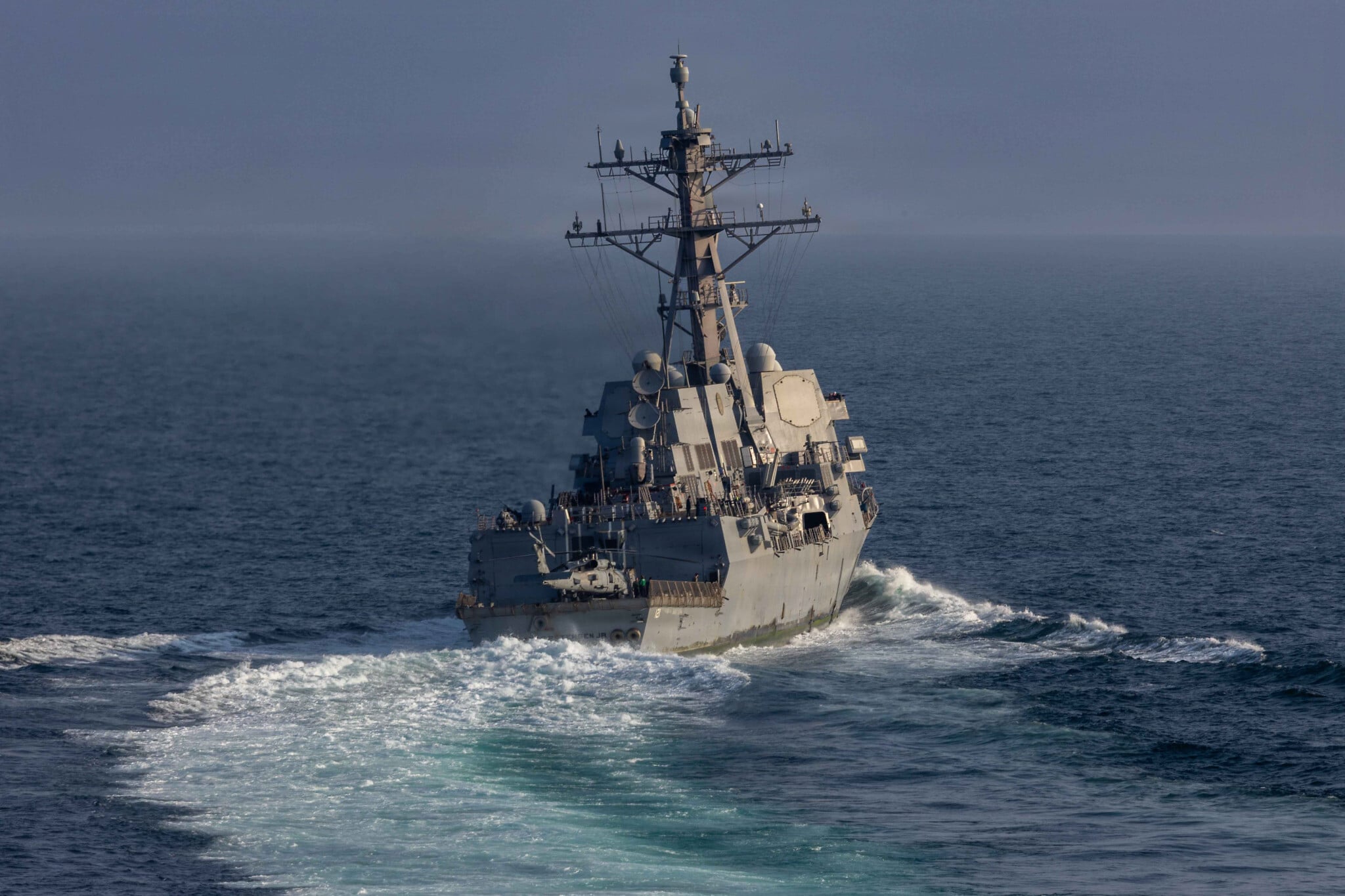
What happened
On April 22, Iran's Revolutionary Guard seized two commercial container ships in the Strait of Hormuz and fired on a third, hours after President Trump extended the US-Iran ceasefire indefinitely. The ceasefire extension came because Iran refused to send a delegation to Pakistan for a second round of peace talks, after the US sent Tehran a list of deal conditions that went unanswered. Trump said he would wait for a 'unified proposal' from Iran's 'seriously fractured' government. The US maintains a naval blockade of Iranian ports, which Iran calls a ceasefire violation and a precondition for any further talks. Six months into a war started by a US-Israeli strike on Iran, 20% of global oil supply remains effectively cut off from the world market.
This is not a ceasefire. It is a mutual strangulation in which both sides have decided the cost of full-scale bombing is too high but the cost of surrendering leverage is higher still. The Strait of Hormuz is the real battlefield now, and neither side has a face-saving path to open it.
Prediction Markets
Prices as of 2026-04-23 — the analysis was written against these odds
US x Iran permanent peace deal by April 30, 2026?
Polymarket · as of 2026-04-23
16%
yes
US x Iran permanent peace deal by May 31, 2026?
Polymarket · as of 2026-04-23
38%
yes
Strait of Hormuz traffic returns to normal by end of May?
Polymarket · as of 2026-04-23
43%
yes
Iran agrees to surrender enriched uranium stockpile by December 31, 2026?
Polymarket · as of 2026-04-23
42%
yes
The Hidden Bet
Iran's government is 'seriously fractured' and just needs time to unify behind a proposal
The fragmentation may be strategic theater. If Iran's leadership cannot agree internally, it can never be held responsible for rejecting a deal. The public disarray gives Tehran maximum deniability while keeping the blockade intact and oil prices elevated, which strains the global economy the US is also embedded in.
The economic pain of the closed strait will eventually force Iran to negotiate
Iran was exporting nearly as much oil during the war as before it started, according to Lloyd's List data. The blockade started April 13, but seven Iranian-linked ships have reportedly passed through since then. Iran's real leverage is not its own trade but its ability to threaten everyone else's, and that leverage grows the longer the impasse holds.
The ceasefire is the prelude to a diplomatic deal
Iran's chief negotiator said the ceasefire extension 'means nothing' and called it a 'ploy to buy time for a surprise strike.' Tehran's public posture treats the blockade as an ongoing act of war. A ceasefire that one party considers a cover for attack is not a ceasefire. It is a pause before something worse.
The Real Disagreement
The US insists the blockade will remain until a final deal is signed; Iran insists talks cannot happen while the blockade continues. Both positions are coherent. The US argument is that lifting the blockade forfeits the only leverage it has without getting anything in return. Iran's argument is that negotiating under a blockade is capitulation with extra steps. You cannot resolve this by compromise because the blockade is simultaneously the pressure and the obstacle. The side that blinks first loses. The market assigns only 15.5% probability to a permanent peace deal by April 30, which says the market is not betting on a blink anytime soon. The lean here: Iran blinks eventually because its oil infrastructure is at greater long-term risk under extended blockade than the US economy is from high gas prices. But that could take months, and the ships sinking in the interim are the cost.
What No One Is Saying
The White House said Iran's seizure of the MSC Francesca and Epaminondas did not violate ceasefire terms because the ships weren't American or Israeli. That logic, stated plainly, means the ceasefire only protects US and Israeli targets. Third-country commercial shipping is still fair game. Every shipping company in the world just received that signal. The ceasefire is not a ceasefire for global trade.
Who Pays
Asian energy importers, especially India and South Korea
Q2-Q3 2026
Both countries depend heavily on Gulf oil. India had Iranian tankers waiting offshore that could not discharge cargo before US waivers expired. South Korea's Kospi hit a record high on April 23, which means markets are not pricing in the supply disruption yet. The repricing happens when the quarter's energy bills arrive.
Low-income households in OECD countries
Immediate and ongoing
Brent crude crossed $100/barrel on April 22. US retail gas prices averaged just over $4/gallon. The Fed's inflation forecast has risen 30bps from the previous survey due to energy costs from this war. Rate cuts are now pushed to late 2026 or later. Higher borrowing costs and higher fuel costs compound.
Crew members of third-country commercial vessels
Immediate
Over 30 attacks on ships since February 28. Crews are being seized and escorted to Iran. The White House has made clear their ships are not protected under current ceasefire terms. Maritime insurers will raise war-risk premiums to levels that price most independent operators out of the route entirely.
Scenarios
Grinding stalemate
Neither side blinks for months. Oil stays above $90/barrel. Iran continues seizing third-country ships. US continues its loose blockade. Global supply chains reroute permanently around the Gulf, building infrastructure that reduces Iran's leverage forever.
Signal Second round of peace talks fails to materialize by May 15 and no new deadline is set.
Backroom deal
Pakistan or Oman brokers a quiet agreement: Iran agrees to stop attacking shipping, US agrees to suspend (not lift) the blockade during a defined negotiating window. Both sides claim victory. Markets rally hard.
Signal Vance reschedules Pakistan trip within 72 hours and a specific meeting date is set.
Escalation restart
Iran attacks a US-flagged vessel or one with American crew, triggering Trump's pre-stated tripwire. US resumes airstrikes. Oil spikes past $120. Global recession risk becomes the primary market story.
Signal US Central Command announces a vessel with American personnel was targeted by IRGC.
What Would Change This
If Iran submits a concrete, signed proposal addressing both the nuclear program and the Hormuz blockade, with a timeline, the bottom line reverses. The current posture depends on Iran having no intention of a deal it can be held to. A real written proposal changes that calculus.