Iran's Hormuz Gambit: Reopen the Strait, Defer the Bomb
What happened
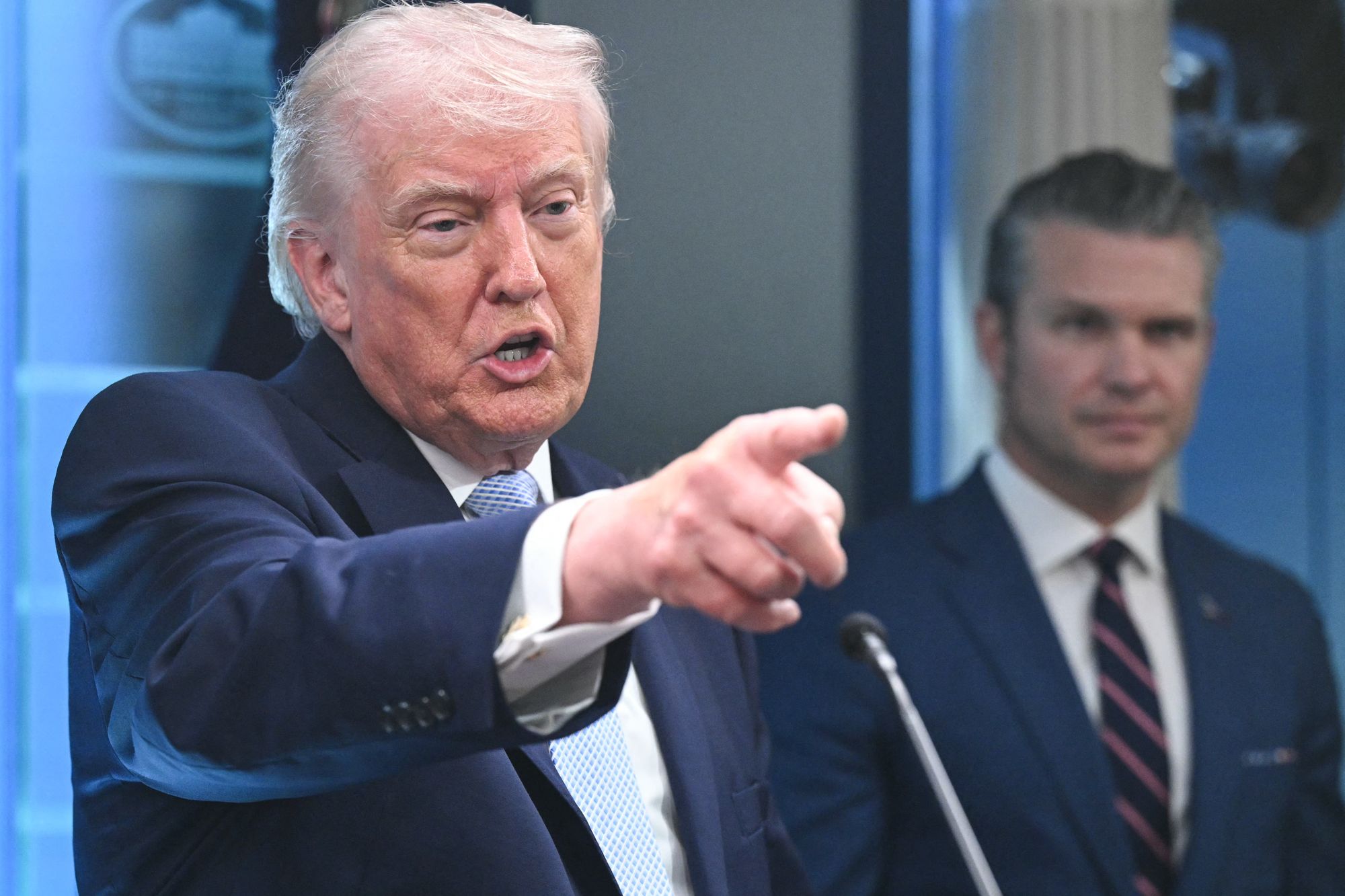
Iran passed a new proposal through Pakistani mediators on April 27 to reopen the Strait of Hormuz and formally end the nine-week war with the United States, while deferring nuclear negotiations to a later stage. The plan would extend the ceasefire into a permanent peace deal, with the US lifting its naval blockade of Iranian ports in exchange for Iran clearing the strait to commercial shipping. Nuclear talks on enrichment limits and stockpile reduction would begin only after the strait is open and military operations have ceased. Trump cancelled a planned Islamabad meeting by his envoys Witkoff and Kushner over the weekend, said Iran could call if it wanted to talk, and convened a Situation Room meeting on April 27 to evaluate the proposal. Iranian FM Araghchi flew to Moscow afterward to brief Putin, making the diplomatic play multilateral before any US answer is formalized.
Iran is offering to give Trump the thing his domestic audience wants most right now, lower oil prices and an end to the war, in exchange for the one thing that would guarantee Iran's nuclear program survives indefinitely.
Prediction Markets
Prices as of 2026-04-27 — the analysis was written against these odds
The Hidden Bet
Iran will negotiate the nuclear track seriously once the strait is reopened and the blockade lifted
Iran's FM explicitly told mediators there is no internal consensus on nuclear demands. The IRGC will not accept enrichment constraints regardless of economic conditions. Once the economic pressure is off, Iran's incentive to compromise on nukes drops to near zero, as every prior deal precedent has shown.
The US blockade is what forced this proposal
Iran may be making this move precisely because the ceasefire has given it time to reconstitute defenses, harden nuclear sites, and build diplomatic cover via Russia and Pakistan. The proposal looks like capitulation but may be a window to reset the battlefield.
Trump will reject the deal because it leaves the nuclear program intact
Consumer sentiment is at a record low, oil is at $105, and Trump's approval ratings are falling. A deal that drops oil prices 30% before midterms is politically very attractive. The market says 60.5% chance the US announces Hormuz blockade lifted by May 31, implying real money expects a deal.
The Real Disagreement
The fork is this: accepting Hormuz-first gives Iran relief before it makes any nuclear concession, meaning the US trades its maximum leverage for uncertain follow-on talks. Rejecting it keeps the pressure on but prolongs $100+ oil, wrecks consumer confidence, and risks Araghchi successfully framing the US as the obstacle in Moscow and Beijing. Both choices have serious costs. The case for accepting: oil at $105 is already breaking things globally, and a deal with teeth on Hormuz is verifiable today, while nuclear talks at least get started from a de-escalated baseline. The case for rejecting: every deal that hands Iran relief first has ended with Iran keeping its nuclear progress and abandoning its commitments. I would lean toward a counter-proposal rather than a straight yes or no: partial blockade lift against verifiable Hormuz clearance, with nuclear talks running simultaneously rather than sequentially, because the sequential structure is the part that most clearly benefits Iran.
What No One Is Saying
Iran's internal fragmentation on nuclear demands is not a weakness. It is a negotiating technique. Araghchi telling mediators there is no consensus on enrichment is Iran signaling to the US that any deal that requires nuclear concessions upfront will fail domestically, so the US should not even try. The fragmentation is doing work.
Who Pays
Asian manufacturing economies (Japan, South Korea, Taiwan, India)
Now, worsening through Q3 2026 if no deal
LNG prices for June delivery are 61% above pre-war levels. If the strait stays closed through Q3, energy costs threaten semiconductor fab operations and automotive production that depend on reliable, priced-in energy inputs.
Iranian civilian population
Already ongoing, acute by June if blockade continues
The rial has depreciated sharply since the war began, Iran is cut off from oil export revenue, and the naval blockade has effectively collapsed normal import capacity. Each week of stalemate accelerates economic deterioration.
European energy consumers
Q3-Q4 2026 if talks collapse
The ECB's baseline has inflation peaking at 3% this quarter; its adverse scenario above 4% has not been reached yet only because of the ceasefire. Any breakdown in diplomacy that causes a new escalation would likely push Europe into its adverse scenario, forcing rate hikes into a slowing economy.
Scenarios
Deal accepted, Hormuz reopens
Trump takes the proposal with modifications, Hormuz clears to commercial traffic by June, Brent drops to the $80s within weeks. Nuclear talks begin Q3 but produce no substantive progress as the IRGC blocks any enrichment limit. The war ends on paper; Iran's nuclear program continues.
Signal Oil falls below $95 and Witkoff flies to Islamabad or Oman within the next 10 days
Stalemate extends
Trump rejects or ignores the proposal, Araghchi's Moscow trip produces a Russian public endorsement of Iran's terms, the US faces diplomatic isolation as EU energy ministers and Gulf states pressure Washington for resolution. Oil stays above $100 through summer.
Signal Trump makes no public comment on the Iranian proposal within 72 hours and Hormuz daily transits stay near zero
Escalation resumes
IRGC seizes additional vessels or conducts a mine-laying operation, the US Navy responds with force, the ceasefire collapses, and the war moves to a new phase targeting Iranian nuclear infrastructure. Oil spikes above $130.
Signal IRGC announces it has resumed 'defensive' operations in the strait or another foreign-flagged vessel is seized
What Would Change This
If Iran were to put verifiable enrichment constraints on the table as part of the Hormuz deal rather than as a subsequent track, the bottom line changes: that would be a genuine concession, not a deferral. The current proposal's fatal flaw is the word 'later.' If 'later' became 'simultaneous,' the leverage trap dissolves.