The Ceasefire That Was Never a Ceasefire
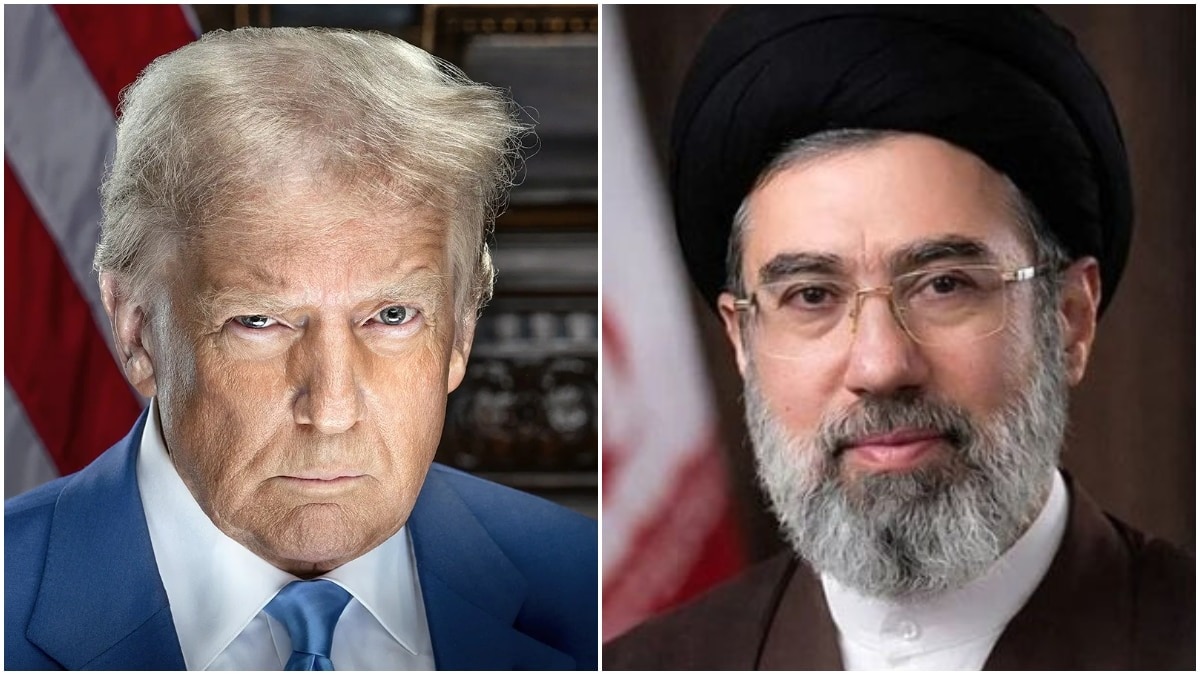
What happened
The two-week US-Iran ceasefire, brokered through Pakistan, expires on April 22. On Sunday, US Marines seized the Iranian-flagged cargo vessel Touska after it attempted to breach a naval blockade near the Strait of Hormuz. Iran's state media responded by announcing a boycott of the second round of talks scheduled in Islamabad, calling US demands 'childish' and characterizing the ship seizure as a ceasefire violation. Trump escalated on Truth Social, calling Iran's closure of Hormuz a 'serious violation' and warning that the 'whole country is getting blown up' if a deal isn't signed. As of Monday morning, no confirmed meeting is scheduled and the ceasefire clock is running out.
The ceasefire collapsed because the US and Iran never agreed on what the ceasefire covered: the US treated Hormuz enforcement as routine naval operations; Iran treated it as an act of war. Both are right about the facts, and that is the problem.
Prediction Markets
Prices as of 2026-04-20 — the analysis was written against these odds
The Hidden Bet
The naval blockade is compatible with a ceasefire
A blockade that physically intercepts ships is, by most definitions, an act of coercion that extends the conflict into a new domain. Calling it 'enforcement' rather than 'escalation' is a framing choice that the US made unilaterally.
Iran actually wants a deal
Boycotting the second round while the deadline is 48 hours away is strategically irrational if you want an extension. Tehran may prefer to let the ceasefire lapse so it can blame the US, which buys domestic political cover.
Pakistan is a neutral mediator
Pakistan depends on Gulf state financing and is simultaneously managing US military access to its airspace. It has strong incentives to keep both sides at the table and limited leverage to force either to move.
The Real Disagreement
The core fork: should the US have extended the blockade during the ceasefire, or suspended it? The US argument is that blocking Iranian weapons shipments was the whole point of the war and suspending it would be unilateral disarmament during negotiations. Iran's argument is that a ceasefire that leaves the blockade in place is not a ceasefire but a surrender in installments. Both positions are coherent. The US side is probably right on the merits: a ceasefire that lets Iran rearm during talks is worthless. But that logic also means there was never a real ceasefire to begin with, only a pause in air strikes, and Iran was always going to discover that gap.
What No One Is Saying
Trump's '48-hour ultimatum' and 'last chance' language is not negotiating leverage. It's a public commitment that boxes in the US team in Islamabad. Every hour those threats stay online without action, US credibility erodes. Iran knows this.
Who Pays
Asian energy importers (Japan, South Korea, India)
Immediate, within 72 hours of ceasefire lapse
The Strait of Hormuz carries roughly 20% of global oil. If the ceasefire lapses and Iran activates asymmetric responses, shipping insurance costs spike overnight and oil hits $90-$100. These countries have no realistic alternative supply routes at scale.
Iranian civilian population
Medium-term, if talks fail within the week
A return to active US strikes targets infrastructure. Trump specifically threatened 'every bridge and power plant.' That is a civilian energy and transport grid, not just military sites.
US importers and consumers
Slow-burn, 2-4 weeks after ceasefire lapse
Oil at $90+ feeds directly into inflation at a moment when the Fed is already dealing with tariff-driven price pressure. The NY Fed has already flagged war as an inflation driver.
Scenarios
Extension with face-saving language
Both sides agree to a 72-hour extension framed differently by each government. The US calls it 'continued negotiations'; Iran calls it a 'suspension pending compliance.' Nothing substantive is resolved.
Signal A Pakistani foreign ministry statement announces 'productive preliminary contact' without confirming Iran's physical presence at the table
Controlled lapse
The ceasefire expires. US air operations resume at a lower tempo than before. Iran activates proxy forces in Iraq and Yemen but stops short of mining Hormuz. Both sides let the war simmer rather than escalate to full conflict.
Signal Iranian military statement says it 'reserves the right to respond' rather than announcing specific action; oil rises to $87-$90
Hot escalation
Iran's response to the Touska seizure involves a strike on a US naval asset or a Hormuz mining operation. Trump responds with infrastructure strikes. The war becomes a sustained air campaign rather than a discrete exchange.
Signal CENTCOM announces additional carrier group deployment to the Gulf of Oman within the next 48 hours
What Would Change This
If Iran sends a senior official to Pakistan without preconditions before Tuesday morning, the ceasefire extension scenario becomes plausible. The boycott announcement came through state media, not official diplomatic channels, which leaves a door open. If the Touska seizure becomes a legal or diplomatic flashpoint at the UN Security Council, that might also slow the clock.