The Iran Ceasefire Expires Wednesday and Trump Says He Won't Extend It
What happened
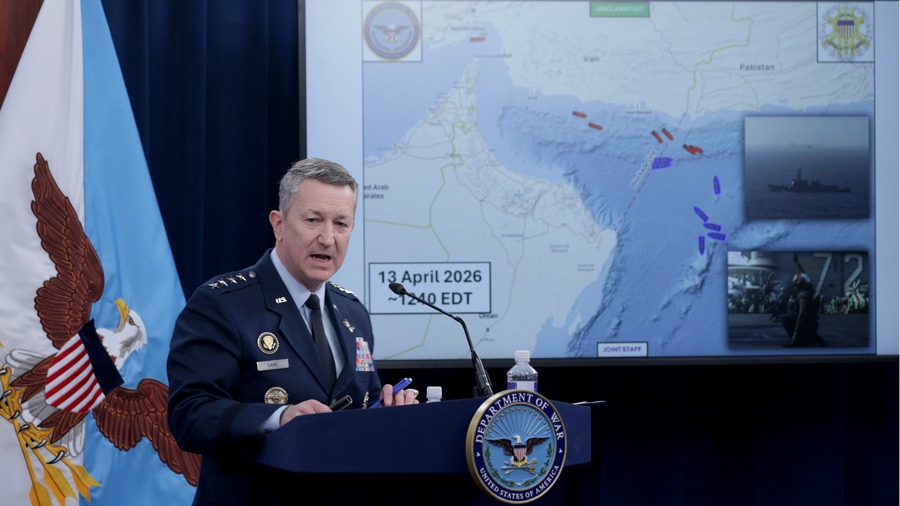
The two-week ceasefire between the United States and Iran, announced on April 7 after seven weeks of fighting, expires Wednesday evening Washington time. Trump told Bloomberg on Monday that extending it is 'highly unlikely' and warned 'lots of bombs start going off' if no deal is reached. The US maintains a naval blockade of the Strait of Hormuz, which Iran demands be lifted before it will send a delegation to peace talks in Pakistan. Iran's Foreign Minister said continued US 'ceasefire violations' are a major obstacle to resuming diplomacy. Russia is urging both sides to uphold the truce. JD Vance is expected to travel to Islamabad as a last-ditch effort.
The ceasefire is not a pause before a deal; it is leverage in a stalemate where both sides need the other to blink first on the blockade, and neither will.
Prediction Markets
Prices as of 2026-04-21 — the analysis was written against these odds
The Hidden Bet
The blockade is a bargaining chip Trump will lift once Iran agrees to terms
Multiple analysts argue the blockade is about China, not Iran: cutting off Iranian oil to Beijing is the actual strategic goal, and any deal that reopens Hormuz to Chinese tankers undermines the point of the whole exercise.
Iran is desperate to end the war and will accept unfavorable terms under economic pressure
Iran has survived two months of US bombardment without its government collapsing or its nuclear program being destroyed. The hardliners' position inside Tehran may actually be stronger now than before the war started, not weaker.
Trump wants a deal and the negotiating chaos is just his style
Trump's weekend social media posts about ongoing negotiations alarmed Iranian officials and nearly collapsed talks that were reportedly close to a framework. If he wanted a deal, posting publicly was the worst possible move. The chaos may be the point.
The Real Disagreement
The actual fork: either the Hormuz blockade is a temporary pressure tool that gets lifted when Iran signs a nuclear deal, or it is a permanent strategic tool to constrain China's energy supply regardless of what Iran does. If it's the former, a deal is possible. If it's the latter, no deal Iran could offer would satisfy Trump because the blockade's real purpose has nothing to do with Iran's nuclear program. The evidence leans toward the second reading: Trump has repeatedly framed the blockade in terms of China's dependence on Iranian oil, not in terms of specific Iranian concessions.
What No One Is Saying
Iran does not actually need to make a deal before Wednesday. A resumed war increases oil prices, which benefits Iran's Russian patron, keeps the Gulf states destabilized, and forces China to spend political capital lobbying Washington. The ceasefire deadline is more useful to Iran as a threat than as a deadline.
Who Pays
Chinese industrial manufacturers
Immediate and ongoing
Iranian oil is roughly 20% of China's crude imports. The blockade is already forcing China to pay premium prices for alternative suppliers or draw down strategic reserves. If war resumes, energy costs spike across the Chinese economy.
Pakistani government
This week
Pakistan is being asked to host negotiations between two nuclear-adjacent powers while it carries its own economic fragility and US financial dependency. If talks fail on Pakistani soil, the domestic political fallout lands on Islamabad.
Iranian civilian population
Immediate if ceasefire ends
The combination of US bombardment, sanctions, and Hormuz blockade has already caused severe food and medicine import disruptions. A resumption of full-scale fighting extends and deepens this humanitarian crisis.
Scenarios
Deal in Islamabad
Iran sends a delegation to Pakistan, a framework is announced that limits uranium enrichment in exchange for partial Hormuz reopening. Trump declares victory. The blockade is quietly maintained for Chinese traffic while Iranian civilian goods resume.
Signal Iran formally confirms a delegation traveling to Islamabad before Tuesday midnight ET
War resumes, blockade holds
No deal by Wednesday evening. US air operations restart. The blockade tightens. Oil prices surge past $120. China is forced to publicly lobby for Hormuz access, giving Trump a second front of leverage over Beijing.
Signal Trump does not extend the ceasefire Wednesday and orders CENTCOM to resume operations
Permanent stalemate
Neither side restarts full-scale fighting but neither signs a deal. The ceasefire becomes a frozen conflict sustained by mutual exhaustion. Hormuz stays partially blockaded. A new abnormal settles in for months.
Signal Multiple ceasefire extensions with no movement on the underlying nuclear and Hormuz questions
What Would Change This
If the blockade were lifted as a confidence-building measure before negotiations concluded, that would suggest Trump genuinely wants a deal and the pressure-campaign framing is real. It would not happen if the China-containment reading is correct.