Iran Sends Diplomat to Pakistan, Refuses to Meet US Envoys
What happened
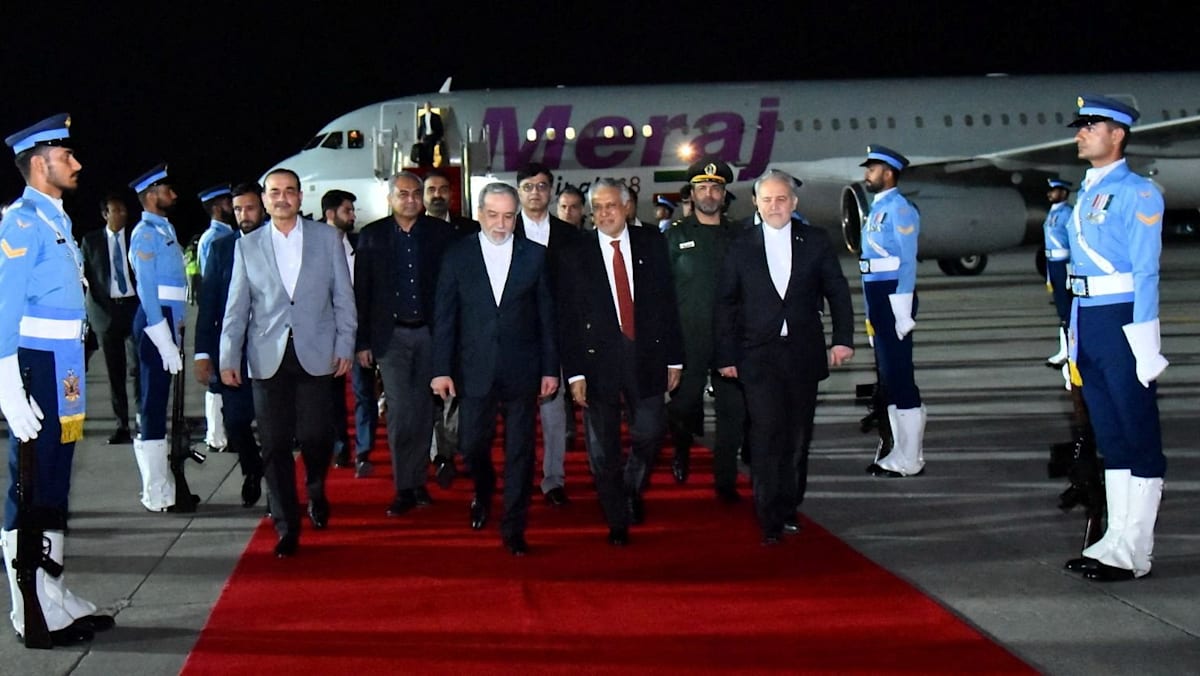
Iranian Foreign Minister Abbas Araghchi arrived in Islamabad on April 24, triggering a round of contradictory statements: the White House announced envoys Jared Kushner and Steve Witkoff would meet him directly, while Tehran's foreign ministry said no meeting with US representatives was planned and Iran would only convey its positions through Pakistan. The Strait of Hormuz remains nearly closed: only 5 ships transited in the previous 24 hours versus 130 per day before the war started February 28. On the same day as the diplomatic moves, the US Treasury sanctioned Chinese teapot refinery Hengli Petrochemical for buying billions in Iranian oil, alongside about 40 shadow fleet shipping companies. Brent crude settled around $105.
The talks are a performance of diplomacy, not diplomacy itself: both sides are signaling willingness without making concessions, using Pakistan as cover to avoid the domestic political cost of being seen to negotiate directly.
Prediction Markets
Prices as of 2026-04-25 — the analysis was written against these odds
US x Iran permanent peace deal by May 31, 2026?
Polymarket · as of 2026-04-25
35%
yes
US x Iran permanent peace deal by June 30, 2026?
Polymarket · as of 2026-04-25
54%
yes
Strait of Hormuz traffic returns to normal by end of May?
Polymarket · as of 2026-04-25
38%
yes
US-Iran nuclear deal before 2027?
Polymarket · as of 2026-04-25
69%
yes
The Hidden Bet
Iran's government is coherent enough to make a deal
Trump publicly said Iran is 'seriously fractured' and he's dealing with 'the people in charge now,' which implies the clerical establishment and whatever military faction survived the bombing campaign may not agree on terms. A fractured adversary is harder to negotiate with, not easier.
Pakistan has enough leverage to deliver Iran to the table
Pakistan's leverage over Iran is limited to geography and diplomatic goodwill. Pakistan cannot compel Iran to reopen the Strait, and if talks collapse, Pakistan absorbs reputational damage from both sides without any actual power to resolve the underlying standoff.
The Hormuz closure is Iran's to lift
The US has a simultaneous naval blockade of Iranian shipping. Iran has said it will not reopen the Strait until the blockade lifts. The US says the blockade stays until a deal is done. Neither side can move first without looking like they blinked: the deadlock is structural, not a matter of good faith.
The Real Disagreement
The actual fork: does maximum pressure work when the target has nothing left to lose, or does it produce a more intransigent adversary? The US bet that economic strangulation and military strikes would force capitulation within weeks. Eight weeks in, Iran has redirected oil flows to Asia, endured the strikes, and is demanding concessions before it will even sit in the same room as US envoys. The pressure camp says this means more pressure is needed. The deal camp says the current terms make a deal structurally impossible for Iranian leaders to accept and survive politically. The evidence from the past eight weeks favors the deal camp, but the White House cannot admit that without legitimizing the approach it rejected in Geneva on February 27.
What No One Is Saying
The Chinese teapot refinery sanctions imposed on the same day as the Pakistan talks are a direct message to Beijing: any economic accommodation of Iran during negotiations will be punished. But China buys 80% of Iran's shipped oil and the sanctions on individual refiners have repeatedly failed to deter smaller players. Treasury knows this. The sanctions are not designed to work. They are designed to be on record.
Who Pays
Global shipping companies and their insurers
Already happening; structural pressure will intensify over the next 4-6 weeks as buffer stocks deplete
Five ships per day through Hormuz versus 130 means supply chains for LNG and crude oil are running on reserves. War risk premiums have made certain routes commercially unviable. Insurance costs for Persian Gulf transits have increased by an order of magnitude.
Low-income households in South Asia and Sub-Saharan Africa
Ongoing now; food price transmission lags energy prices by 2-3 months
Brent at $105 versus pre-war $70 represents a 50% price increase that flows directly into fuel costs and food transport. These are economies with minimal buffer capacity and governments with no fiscal room for subsidies.
Pakistan
Reputational exposure is immediate; economic consequence depends on outcome
Playing mediator creates dependency on the outcome. If talks collapse, Pakistan is blamed by both sides and loses the security guarantee it earns from US goodwill. If talks succeed, Pakistan gets credit but no concrete economic benefit for its own energy crisis.
Scenarios
Indirect deal by end of May
Araghchi's Pakistan visit produces a framework communicated through Pakistani intermediaries. Both sides accept face-saving language that allows Iran to claim the blockade is being lifted and the US to claim Iran surrendered its nuclear program. Hormuz reopens partially.
Signal Araghchi announces a 'positive atmosphere' without specifying content; Witkoff gives a statement that does not mention nuclear enrichment as a precondition
Talks collapse, war resumes
Iran walks from Pakistan without a framework. Trump interprets the lack of a direct meeting as Iranian bad faith. Military strikes resume within 2 weeks. Oil hits $130+.
Signal Araghchi departs Pakistan before Saturday meeting; Iranian state media condemns US 'arrogance'; Trump posts on Truth Social about 'final warnings'
Frozen ceasefire persists for months
Talks continue indirectly without resolution. Hormuz remains partially closed. The global economy adjusts painfully but manages. No deal, no resumption of full war. Iran's oil wells begin shuttering, weakening its hand further.
Signal Vance does not travel to Pakistan; next round of talks is scheduled but no date set; oil remains between $95-110
What Would Change This
If Iran sends a written proposal that includes any reference to nuclear enrichment limits, the bottom line changes: Tehran is actually negotiating, not stalling. Conversely, if the US drops the demand for total nuclear dismantlement as a precondition for talking, that signals the White House is willing to accept a deal short of regime capitulation.