The Ceasefire That Isn't
What happened
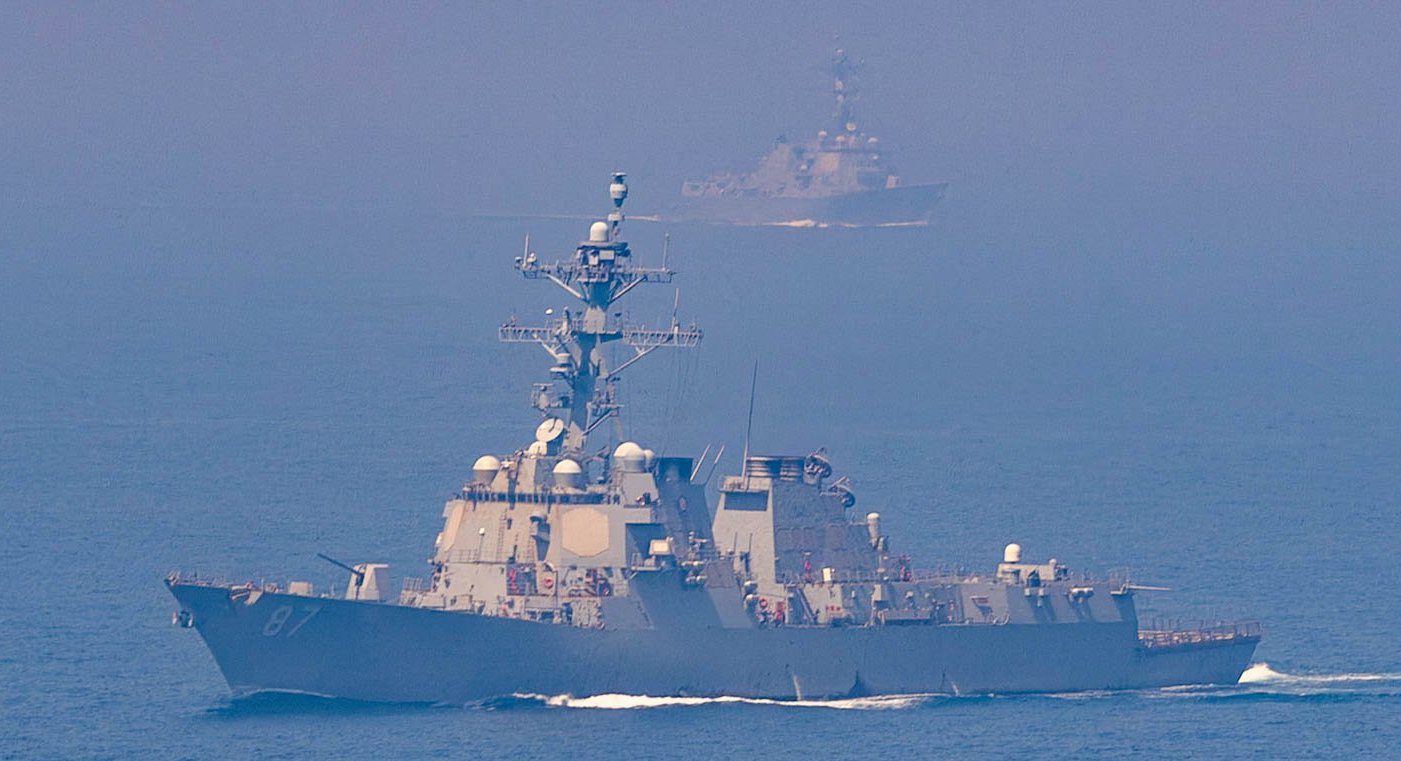
On May 7, three US Navy destroyers transiting the Strait of Hormuz came under attack from Iranian missiles, drones, and small boats. CENTCOM said no ships were struck and US forces responded with strikes on Iranian ports at Bandar Abbas and Qeshm. The exchange followed a May 6 incident in which a US Navy jet disabled an Iranian tanker accused of violating the US naval blockade. Iran called the destroyer attack retaliation for what it said were US strikes on its territorial waters. Both sides claim the ceasefire they agreed to after Operation Epic Fury remains nominally in effect. Lloyd's List reports the Strait of Hormuz is now functionally closed. A US short-term peace memorandum proposal sits unaccepted in Tehran.
The ceasefire is a fiction both sides need to maintain while fighting a war neither can admit is still happening.
Prediction Markets
Prices as of 2026-05-08 — the analysis was written against these odds
Strait of Hormuz traffic returns to normal by end of May?
Polymarket · as of 2026-05-08
27%
yes
US-Iran permanent peace deal by May 31, 2026?
Polymarket · as of 2026-05-08
34%
yes
US-Iran nuclear deal by June 30?
Polymarket · as of 2026-05-08
31%
yes
Iran agrees to unrestricted shipping through Hormuz by May 31?
Polymarket · as of 2026-05-08
14%
yes
The Hidden Bet
There is a ceasefire between the US and Iran.
Both sides are conducting kinetic operations and claiming self-defense. The word 'ceasefire' is doing the political work of preventing formal escalation, not the operational work of stopping fire. Trump calling strikes a 'love tap' reveals the gap between the label and the reality.
Iran will eventually accept the US short-term memorandum because it cannot sustain a blockade.
Iran's new agency claiming authority over Hormuz shipping is a sovereignty play, not a negotiating tactic. Accepting the US memorandum means implicitly conceding the blockade was legitimate. That concession may be politically impossible in Tehran regardless of military conditions on the ground.
The nuclear program remains separable from the ceasefire question.
Iran is using its formal sovereignty over Hormuz as leverage in the nuclear negotiation. A deal that does not address enrichment leaves Iran with the incentive to keep the strait in dispute. Separating the issues assumes Iran will trade a real asset for a temporary pause.
The Real Disagreement
The genuine fork is whether the Strait of Hormuz is a military theater or a negotiating chip. If it is a theater, the US needs a decisive military resolution before any deal holds. If it is a chip, the US needs to let Iran claim a diplomatic win on the strait to get movement on the nuclear file. The Trump administration is treating it as both simultaneously, which means it gets the costs of each and the benefits of neither. The more honest bet is that it is a chip: Iran cannot sustain a closed strait indefinitely, and its real leverage is in delay, not denial. But that would require the administration to negotiate from a position of less-than-total-victory on the blockade, which it has not been willing to do.
What No One Is Saying
Trump's 'love tap' framing and Iran's 'ceasefire violation' framing are actually in coordination. Both governments need the word 'ceasefire' to exist so that their domestic audiences do not demand full war. The fighting is real; the ceasefire is a shared fiction that keeps both leaders out of a worse political corner.
Who Pays
Indian and Southeast Asian seafarers
Already ongoing; worsens every week the memorandum stalls
Stranded on ships in the Shatt al-Arab and Gulf since late February, trapped by a war they have no stake in. No evacuation mechanism exists under the current informal ceasefire framework.
Asian oil importers: Japan, South Korea, India
Immediate; oil price rise already visible in May 8 markets
The Strait of Hormuz supplies roughly 20% of global oil. Lloyd's List calling it closed means insurance costs spike, tanker routes divert, and delivery timelines extend. None of these countries has a seat at the negotiating table.
Iran's civilian population near Qeshm
Immediate; ongoing with each exchange
US strikes on Qeshm Island, called civilian-area attacks by Iran, hit infrastructure on an island with a substantial non-military population. Both sides' framing avoids accounting for this.
Scenarios
Managed fiction
Both sides continue low-level exchanges under the ceasefire label. Iran does not formally accept the US memorandum but also does not formally reject it. The strait remains functionally restricted, oil prices stay elevated, and the nuclear question gets pushed to late 2026.
Signal Iran's foreign ministry issues another statement saying it is 'reviewing' the proposal without a timeline. Trump makes no new public ultimatum.
Memorandum accepted, nuclear question deferred
Iran accepts a short-term deal that halts blockade enforcement in exchange for sanctions relief, leaving enrichment unresolved. The strait reopens partially. Markets rally. The nuclear standoff resurfaces in 90 days with Iran in a stronger position.
Signal Polymarket prices for a US-Iran nuclear deal by June 30 rise above 40% from their current 30.5%; Omani or Swiss diplomatic channels announce a meeting date.
Escalation breaks the fiction
A US ship is struck, or an Iranian city beyond port infrastructure is hit. The ceasefire label collapses, oil spikes past $120, and Congress is forced to take a position on a war it has so far avoided authorizing.
Signal CENTCOM confirms a US vessel was damaged in an exchange. Trump issues a formal statement dropping the word 'ceasefire'.
What Would Change This
If Iran formally accepted the US memorandum and the Strait reopened to commercial traffic without conditions, the bottom line would be wrong: the ceasefire would be real, not a label. Alternatively, if Iran announced a moratorium on uranium enrichment as part of any deal, the entire dynamic would shift toward a genuine resolution rather than a managed standoff.