The Ceasefire That Keeps Shooting
What happened
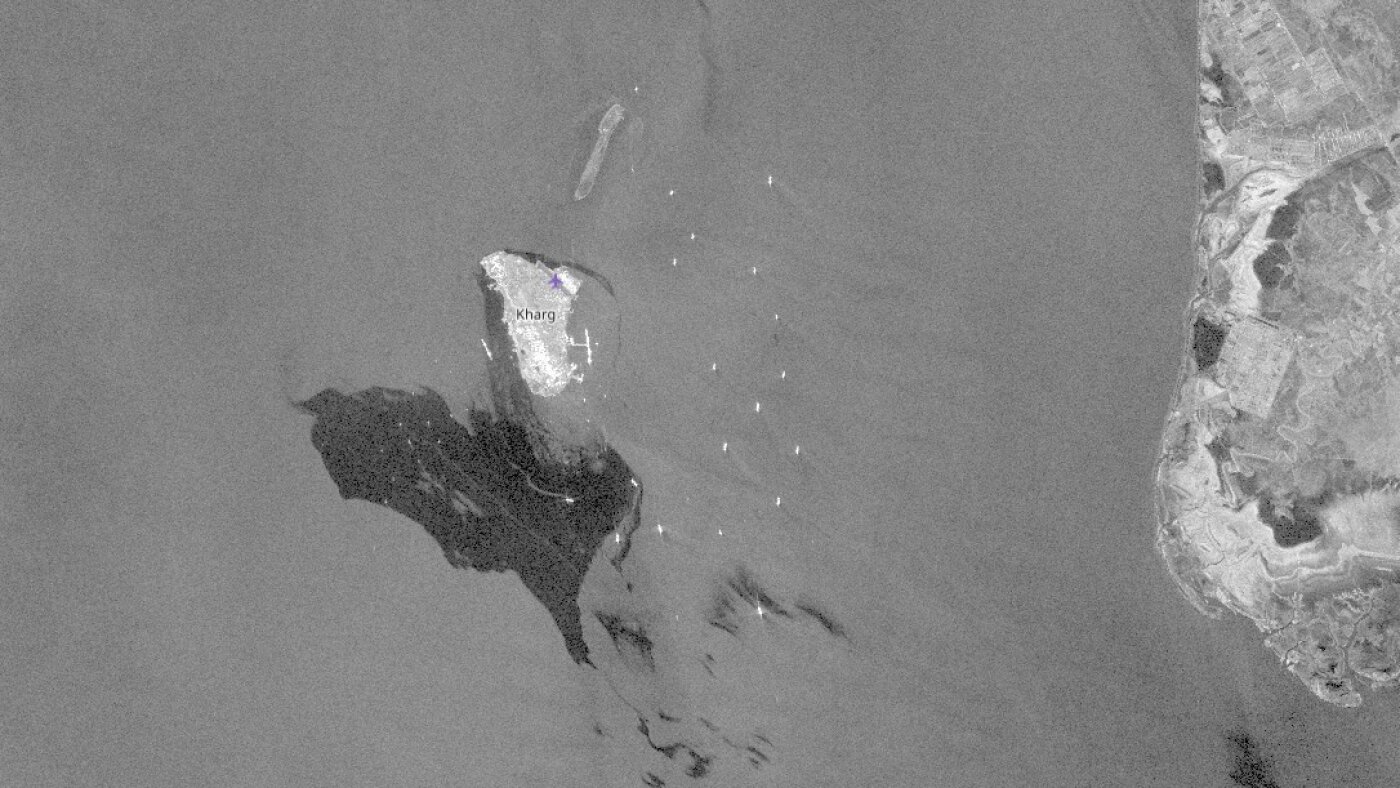
US forces fired on and disabled two Iranian oil tankers in the Strait of Hormuz on May 8, after Iranian forces attacked three US Navy ships transiting the strait. The UAE simultaneously reported fresh Iranian drone and missile strikes on its territory. Despite the fighting, both Washington and Tehran publicly maintained a ceasefire is technically in effect while Iran reviews a 14-point US memorandum of understanding. The memo, shared via Pakistani mediators, would open a 30-day negotiating window covering nuclear enrichment limits (10-12 years with a possible ban), disposal of Iran's enriched uranium stockpile, and phased reopening of the Strait of Hormuz as the US lifts its naval blockade. Trump told reporters he expected Iran's response 'tonight.'
The ceasefire is a legal fiction both sides are maintaining to preserve the option of a deal: the US can claim Iran is violating it to justify escalation, and Iran can claim it is in effect to avoid the political cost of being the party that ended talks.
Prediction Markets
Prices as of 2026-05-09 — the analysis was written against these odds
The Hidden Bet
Iran's response to the 14-point memo will be legible as acceptance or rejection
Iran's decision-making runs through Mojtaba Khamenei, not the foreign ministry or Pezeshkian. Any response the foreign ministry delivers may not bind the Revolutionary Guard, which controls the strait operations. The two sides may keep talking past each other indefinitely.
The 10-12 year enrichment halt is the core ask
The uranium disposal demand is functionally harder: transferring 440kg of 60%-enriched uranium to a third country is not reversible in weeks. Iran surrendering that stockpile is a strategic downgrade that no 12-year timeline softens. That is the actual red line, and the enrichment number is the one being negotiated publicly as cover.
Reopening the Strait of Hormuz is Iran's main leverage and they will trade it for sanctions relief
Iran has been sustaining strikes on the UAE, attacks on US ships, and a prolonged naval standoff. A CIA report reportedly assessed Iran could withstand the blockade for four months. If Tehran believes it can outlast the US political calendar, holding the strait costs less than surrendering enrichment capacity.
The Real Disagreement
The actual fork is this: either the 14-point memo is a genuine framework for a deal in which both sides give something painful, or it is a US document designed to fail publicly and justify military escalation. Those who believe the deal is real point to the Islamabad channel, the 10-year reduction in enrichment demands, and Trump's stated desire to avoid ground war. Those who believe it is a trap point to the simultaneous tanker attacks, the conditions on uranium disposal that Iran cannot accept without domestic political collapse, and the July 4 EU deadline showing Trump is using deadlines as pressure tools, not negotiating good faith. The Polymarket price of 32.5% for a nuclear deal by June 30 suggests markets lean toward deal-is-real but give it less than even odds. That 67.5% no probability is the correct prior. The fighting in the strait while talks proceed is not contradiction; it is how both sides extract maximum concessions before signing. The lean: this produces a temporary framework, not a comprehensive deal, and the enrichment question gets deferred.
What No One Is Saying
Pakistan's role as mediator is the quiet bet nobody is examining. Pakistan needs Saudi financial support to survive its debt crisis, Saudi Arabia wants Iran contained and the Hormuz open for oil exports, and the US has long used Pakistan as a back channel to adversaries. The Islamabad venue is not neutral geography. If the deal requires Pakistan to hold Iran's uranium stockpile temporarily, Pakistan just became the most leveraged actor in the Middle East without anyone saying so.
Who Pays
Seafarers and shipping crews trapped in the Strait
Ongoing, worst during active firefights
Multiple vessels have been disabled or seized; crews face indefinite detention or harm during active exchanges of fire regardless of ceasefire labels
UAE civilian population
Immediate and ongoing
Iranian missile and drone strikes on UAE territory are continuing regardless of the ceasefire status; air defense intercepts are not perfect
Global oil importers, especially in Asia
Slow-burn now, acute if talks collapse by June
Partial Hormuz blockade has already tightened oil transit; a failure of talks and full closure would spike energy costs across Asia's manufacturing base within weeks
Scenarios
Fragile Framework
Iran accepts the 14-point memo structure, talks move to Islamabad, and both sides agree to a 30-day process. Fighting pauses but does not end. The enrichment question gets deferred into the 30-day window.
Signal Iran's foreign ministry issues a statement within 72 hours that uses the word 'framework' or 'basis for talks' rather than flat rejection
Escalation by Deadline
Iran does not respond substantively. Trump uses the non-response to declare the ceasefire voided, increases strikes on Iranian military facilities, and uses the July 4 EU tariff deadline as leverage to bring European allies into economic pressure on Tehran.
Signal Trump posts about 'betrayal' or 'lunatics' again within 48 hours; Centcom announces additional strikes beyond the tanker engagement
Quiet Deferral
Iran sends a counter-proposal that accepts some points, rejects uranium transfer, and proposes a different enrichment timeline. The two sides enter a prolonged negotiation in which the ceasefire-while-fighting-continues becomes the new normal for months.
Signal Rubio uses the phrase 'serious offer' or 'constructive response' without specifying what Iran agreed to
What Would Change This
If Iran publicly agrees to allow inspection of its enriched uranium stockpile by a third-party neutral and sets a transfer timeline, that would make the deal real. If the uranium question stays off the memo, the bottom line holds: this is a delay mechanism, not a deal.