Trump Launched Project Freedom. Then Stopped It After One Day.
What happened
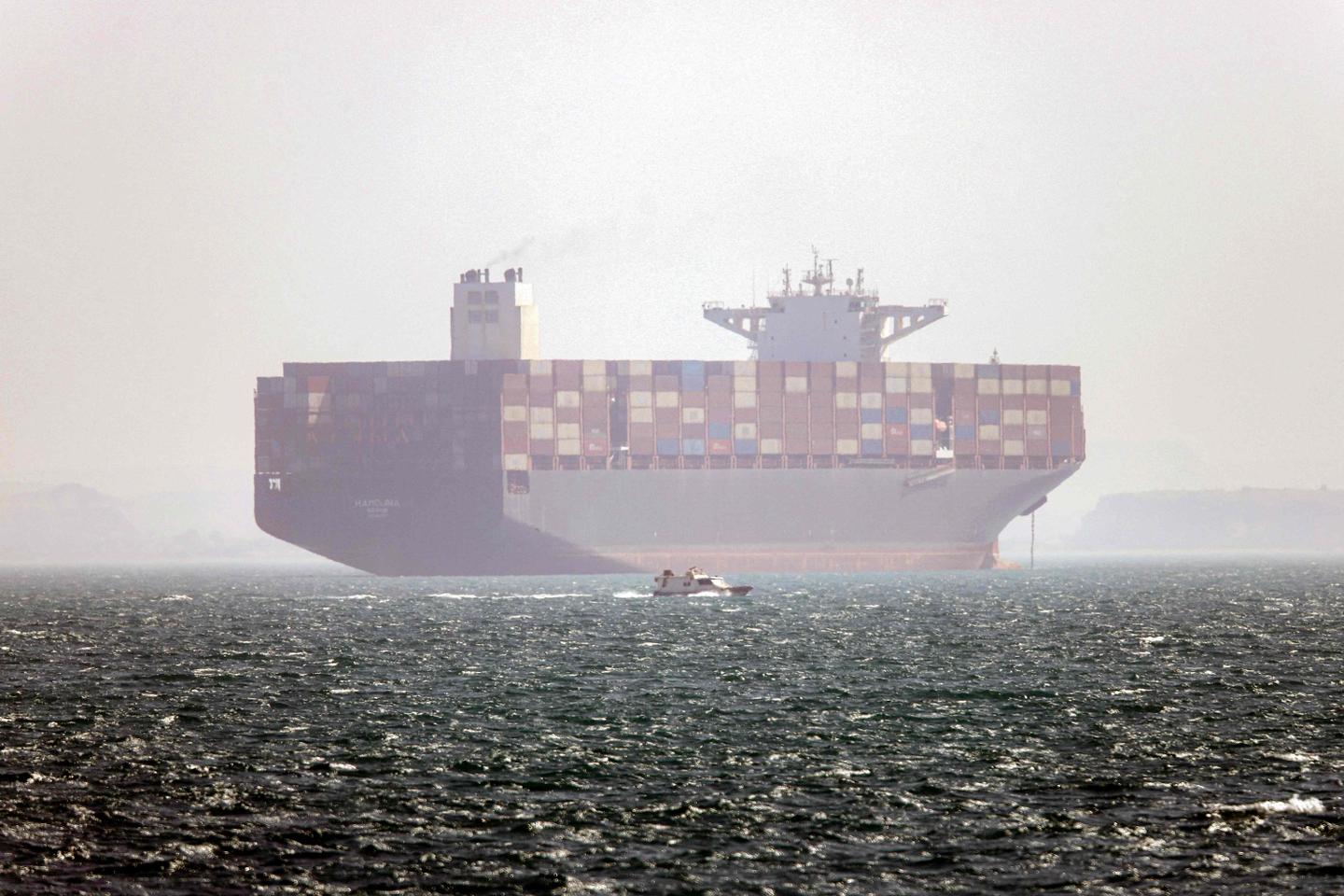
Trump announced Project Freedom on Monday, deploying 15,000 U.S. service members and over 100 aircraft to escort stranded commercial ships through the Strait of Hormuz. Within 24 hours, he paused the operation at Pakistan's request, citing progress toward a final agreement with Iran. The U.S.-declared ceasefire from April 8 technically remains in force, but Iran has continued attacks on commercial vessels and UAE infrastructure since then. Secretary of State Rubio simultaneously declared Operation Epic Fury, the original U.S. air campaign against Iran, officially concluded. A revised U.N. Security Council resolution is circulating, adjusted to avoid the China-Russia veto that blocked the prior Bahraini draft. Brent crude dropped to $107.77 on the pause news.
Project Freedom was not a military operation. It was a 24-hour ultimatum designed to show Iran the cost of delay, softened immediately when Pakistan confirmed talks had traction.
Prediction Markets
Prices as of 2026-05-06 — the analysis was written against these odds
The Hidden Bet
Pakistan can deliver Iran to a final agreement within the pause window
Pakistan brokered the April 8 ceasefire that has since been violated repeatedly by Iran's continued attacks. Pakistan's leverage with Tehran is limited by Iran's calculation that its economic pain from the blockade is still preferable to accepting U.S. terms on nuclear enrichment. The Islamabad talks failed once already.
The ceasefire is real and the Hormuz clashes are a separate issue from the war
Rubio explicitly stated the Hormuz clashes are not part of Operation Epic Fury. But the same Iranian IRGC units attacking vessels are the ones under pressure from the blockade. The U.S. is maintaining economic siege through the blockade while insisting that Iran's military response does not constitute ceasefire violations. Iran cannot reconcile these two positions. Neither can the ships' captains currently anchored in the Persian Gulf.
Reopening Hormuz will normalize shipping and energy flows relatively quickly
Insurance premiums and routing decisions lag political developments by weeks. Even if a deal is signed tomorrow, Azimut Group warned that normalization would take 'weeks and weeks.' The 23,000 stranded seafarers from 87 countries represent a logistical backlog that will constrain supply chains for months post-agreement.
The Real Disagreement
The real fork is between Trump's stated preference for a deal and the structural demand that any deal includes terms Iran cannot accept in full, specifically U.S.-verified limits on nuclear enrichment. Iran's position is that it will negotiate on economic relief and Hormuz operations but not on enrichment under military pressure. The U.S. position is that enrichment limits are the deal. Both sides have been in this same deadlock since the ceasefire. The pause of Project Freedom is a gesture, not a resolution. I lean toward believing the market signal: at 15.5% probability for a May 31 deal and 29% for a June 30 deal, the market puts the actual chance of near-term resolution low, which is consistent with the gap between the two sides' stated requirements.
What No One Is Saying
Iran introduced a formal transit permission system for the Strait, requiring vessels to receive approval from the Persian Gulf Strait Authority before passing through. If that system becomes normalized, Iran has achieved permanent de facto sovereignty over the world's most important energy chokepoint, regardless of what any deal says. The U.S. and its allies are treating this as a temporary operational condition. It may become permanent infrastructure.
Who Pays
Shipping companies and their crews
Immediate and ongoing
23,000 seafarers from 87 countries remain stranded. Even ships that receive U.S. escort face Iran's claim that transit without IRGC coordination is illegal, exposing them to seizure after passage. Insurance underwriters are not returning to normal rates until a verified settlement is in place.
Developing countries dependent on Persian Gulf energy and fertilizer imports
Now, compounding with each additional week of closure
Global energy supply shock from Hormuz closure has driven oil to above $100/barrel. Fertilizer shipments disrupted. Countries without domestic energy reserves or currency reserves to absorb sustained high prices face economic deterioration that is invisible in coverage focused on U.S.-Iran diplomacy.
Non-aligned states forced to pick a side
Escalating pressure over the next 30-60 days as U.S. looks to hand off responsibility
The Maritime Freedom Construct that Washington is circulating requires partner nations to commit military assets to Hormuz security. Hegseth called out Australia, South Korea, and Japan by name. Countries that decline face reduced U.S. credibility as a security partner; those that commit risk Iranian retaliation.
Scenarios
Pakistan brokers a deal
Pakistan delivers an agreement within two weeks: Iran accepts IAEA monitoring of enrichment levels below weapons-grade, the U.S. lifts the blockade, Hormuz reopens under a joint maritime authority, and sanctions begin phasing out. Oil drops sharply. Markets assign 29% to this by June 30.
Signal Rubio flies to Islamabad; Iranian FM confirms specific numerical enrichment terms are on the table
Talks fail, Project Freedom resumes
No deal within the pause window. Trump relaunches Project Freedom with expanded scope. Iran retaliates with intensified attacks. The ceasefire framework collapses, and both sides return to open military posture. Oil spikes above $130.
Signal Trump announces the pause window has closed; U.S. destroyers begin active convoy operations without advance notice to Iran
Frozen stalemate
No deal but no resumption of large-scale combat. The blockade stays. Hormuz stays partially closed. The world adapts by rerouting: Cape of Good Hope volumes surge, energy prices stabilize at a new elevated baseline, and the strait becomes a geopolitical frozen conflict like Kashmir or the Korean DMZ.
Signal Shipping companies announce permanent Cape routing changes; tanker orderbooks shift to VLCCs capable of the longer journey
What Would Change This
If Iran publicly and verifiably accepted specific enrichment limits, or if the market probability for a deal by June 30 rises above 60%, the framing of this as deadlock-with-gestures would need revision. Until then, the structural gap between what the U.S. requires and what Iran can offer while remaining credible domestically remains unbridged.