Iran Offered a Deal. Trump Said No. The Blockade Continues.
What happened
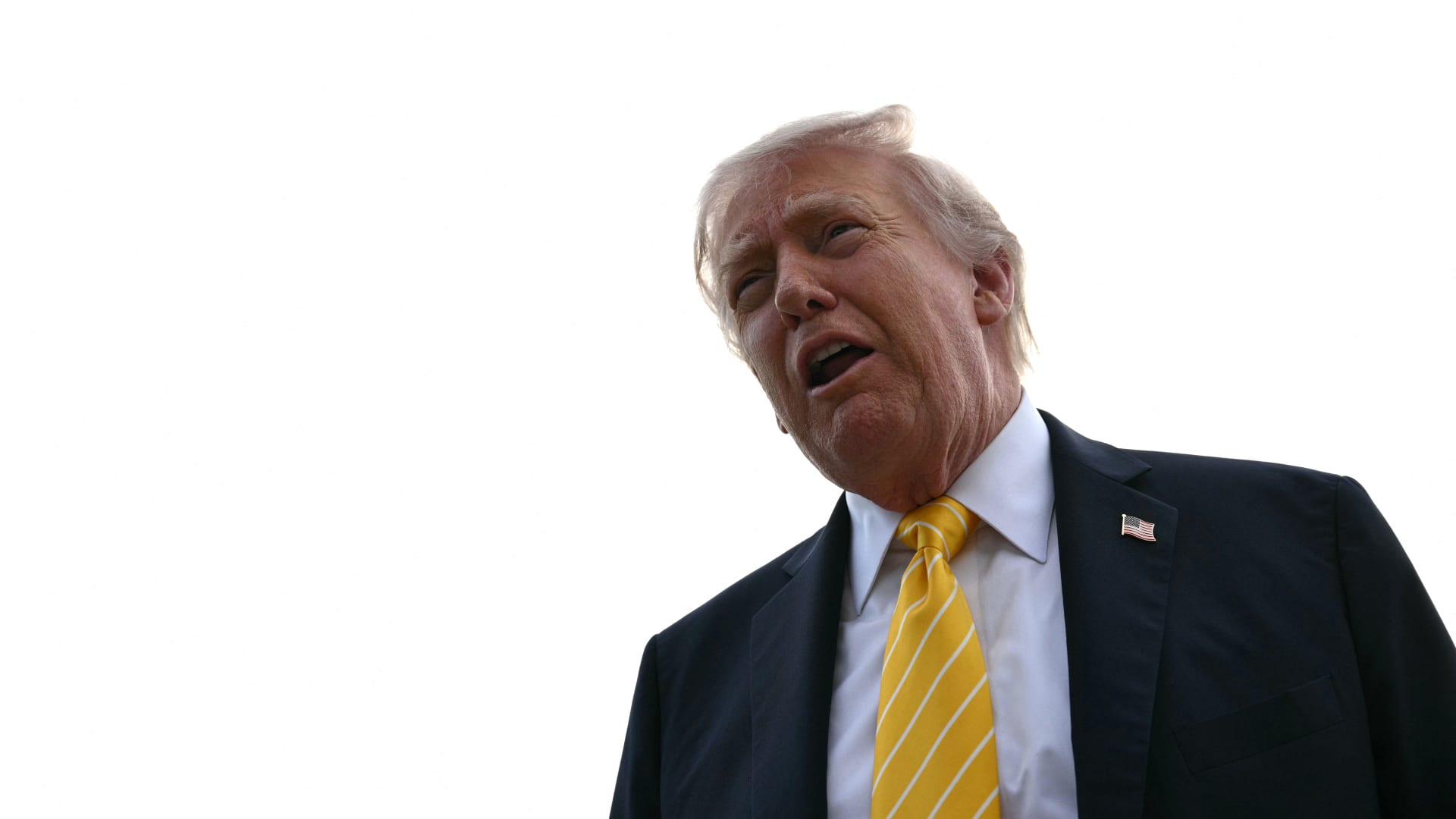
On day 64 of the US-Iran war, Iran submitted a 14-point peace proposal through Pakistani mediators on May 1. Trump rejected it within hours, saying he was 'not satisfied' and that Iran's leadership was too 'fractured' to deliver on any deal. The core sticking point: Iran's proposal would open the Strait of Hormuz and end the US blockade first, with nuclear talks deferred to a later phase. Trump wants nuclear limits agreed before any blockade relief. Both the US and Iran have been blocking the Strait — Iran has blocked nearly all non-Iranian shipping since the war began in late February, and the US imposed its own counter-blockade. Meanwhile Trump told Congress on May 1 that the war has 'terminated,' invoking this declaration to avoid the 60-day War Powers Act authorization deadline. A shaky three-week ceasefire is nominally holding, though both sides accuse each other of violations.
The ceasefire is a fiction that both sides need — Iran because it's losing economically, the US because 61% of Americans think the war was a mistake — and neither side has the deal they want, so the fiction continues.
Prediction Markets
Prices as of 2026-05-03 — the analysis was written against these odds
US-Iran nuclear deal before 2027?
Polymarket · as of 2026-05-03
51%
yes
US-Iran nuclear deal by May 31?
Polymarket · as of 2026-05-03
14%
yes
Will the US blockade of Hormuz be lifted by May 31?
Polymarket · as of 2026-05-03
27%
yes
Congress passes Iran war powers resolution by May 31?
Polymarket · as of 2026-05-03
6%
yes
The Hidden Bet
The nuclear issue is the real sticking point in these negotiations.
Fortune's analysis suggests the US has a strategic interest in maintaining the Hormuz situation regardless of any Iranian nuclear concession: with both Iran and the US blockading the strait, China is locked out of Persian Gulf energy flows. The nuclear framing may be cover for a strategic goal that has nothing to do with Iran's centrifuges.
The ceasefire is holding.
Both sides are simultaneously accusing each other of violations. Ukraine's continued drone strikes on Russian oil infrastructure in Orenburg and Krasnodar — distinct from but analogous to US-adjacent operations — show how proxy and parallel military activities continue underneath a nominal ceasefire framework. The Al Jazeera update notes sanctions threats for ships paying Iran for Hormuz transit, which is a new escalation, not a de-escalation.
Pakistan is a neutral mediator.
Pakistan receives significant financial support from Saudi Arabia and China. Saudi Arabia has strong preferences about the regional outcome. China needs the Hormuz blockade ended to restore energy flows. Pakistan's 'mediation' reflects those dependencies, not neutrality. Polymarket has Pakistan as the overwhelmingly likely venue for the next diplomatic meeting at 65%.
The Real Disagreement
The real fork is about sequencing: should Iran get sanctions and blockade relief before agreeing to nuclear limits, or after? Iran's position is that opening the strait is a confidence-building measure that makes nuclear talks possible. The US position is that Iran will pocket the relief and then drag out nuclear negotiations indefinitely — which is exactly what happened with the JCPOA's implementation disputes. Both positions are supported by history. The US negotiating posture is more defensible given Iran's track record, but it also means the blockade continues indefinitely, which costs the global economy more each week. I'd lean toward the US insisting on nuclear commitments first, but only if the administration has a specific, verifiable nuclear demand it is actually willing to accept — and Trump's 'not satisfied' framing suggests the goalposts may not be fixed.
What No One Is Saying
Iran's proposal to open the Strait first and talk nuclear later is structurally rational from Iran's perspective: it would end the economic bleeding immediately and put the US in the position of having to escalate to restart the blockade. The US would lose the strategic leverage it currently has. Trump calling the war 'terminated' while simultaneously threatening new strikes creates a legal paradox: if the war is over, the War Powers clock stops, but if strikes resume, the administration would need to restart the clock or face a constitutional showdown it has so far avoided.
Who Pays
Global shipping and energy markets
Ongoing, every day the blockade continues
The dual blockade of Hormuz has caused the biggest disruption to global energy supplies in recorded history, per the NBC sourcing. Oil price spikes affect every consumer economy; jet fuel prices are already affecting airline routing.
Iranian civilians
Immediate
Iran's economy has been under compounding sanctions and now blockade conditions. The proposal to end the war in 30 days reflects internal pressure — the economy cannot sustain another 60 days of this. The civilians most exposed are in the urban middle class and the export-dependent private sector.
Pakistan
Near-term, over the next 30-60 days of the proposal timeline
Hosting and facilitating negotiations means absorbing political risk from both sides. If the talks fail and the US resumes strikes, Pakistan's government faces domestic pressure from its pro-Iranian population. If Pakistan pushes Iran too hard, it risks the relationship with Tehran that gives it regional leverage.
Scenarios
Partial Deal
The US and Iran agree to a limited arrangement: Iran permits civilian shipping through Hormuz in exchange for partial sanctions relief, with nuclear talks deferred to a defined timeline. Both sides declare victory. The core conflict is frozen, not resolved.
Signal Watch for Polymarket's Hormuz blockade lifted by May 31 to move above 40% (currently at 26.5%). Also watch for Trump to make a public positive statement about Iran's 'concept' of a deal.
Breakdown and Escalation
Negotiations collapse. The US resumes targeted strikes on Iranian military infrastructure. The ceasefire ends. Oil prices spike sharply. The 60% of Americans who opposed the war become more vocal. Congressional War Powers pressure intensifies.
Signal Watch for Trump to post a threat on Truth Social referencing Iranian 'behavior' and the possibility of 'new strikes' — he has already used this language once.
Extended Stalemate
Neither a deal nor renewed strikes. The blockade continues. Iran's economy deteriorates slowly. The US absorbs political cost from energy prices and the unpopular war. Both sides wait for the other's domestic political situation to worsen enough to force concessions.
Signal Watch for the 30-day Iran deadline on comprehensive resolution to pass without an agreement. That would signal Iran has accepted the stalemate rather than escalating.
What Would Change This
If Trump produces a specific, verifiable nuclear demand that Iran could actually accept — not 'no enrichment ever' but something like 'enrichment capped at 5%, monitored by IAEA with snap inspections' — the 50.5% Polymarket probability on a nuclear deal before 2027 suggests the market thinks this is possible. The bottom line would change if the public evidence shows the nuclear framing is genuine negotiating, not a veto dressed up as a position.