The Iran Ceasefire That Neither Side Wants to Own
What happened
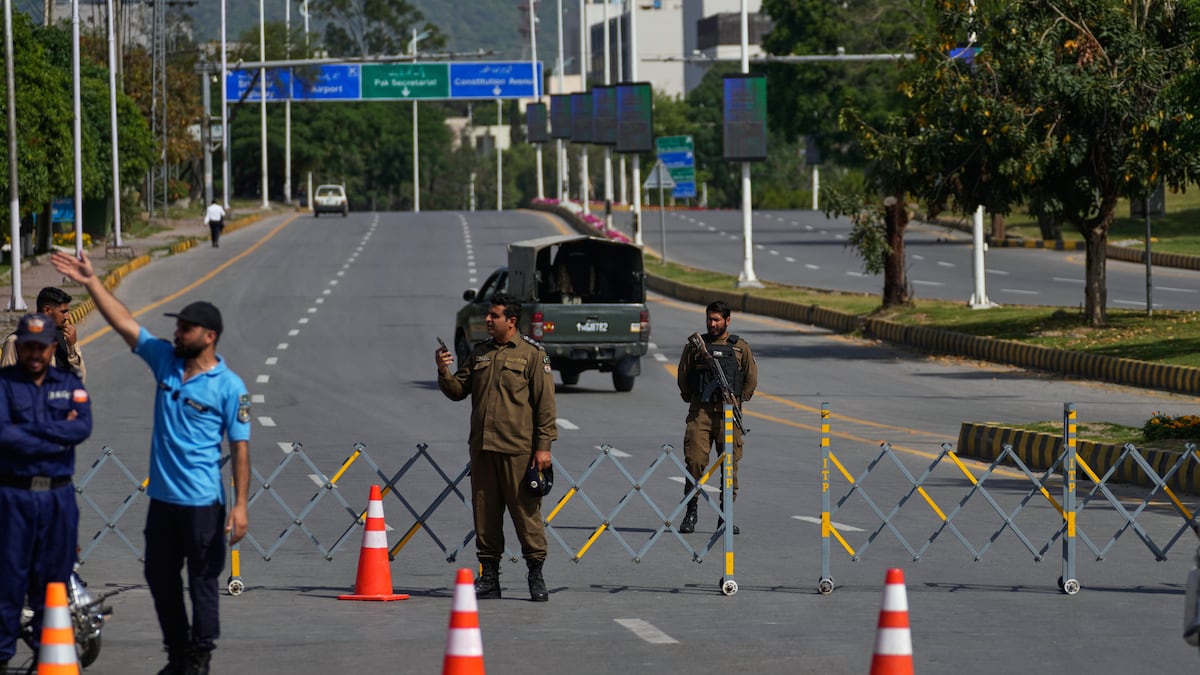
The US-Iran ceasefire, set to expire Wednesday April 22, was extended indefinitely by Trump on Tuesday at Pakistan's request, hours after he said he expected to resume bombing. Vice President Vance's trip to Islamabad for a second round of talks was cancelled after Iran declined to send a delegation, citing US naval blockade of Iranian ports as an act of war. Iran's parliament speaker adviser called the extension a 'ploy' and said Iran would take the initiative. The war, started Feb. 28 by joint US-Israeli strikes, has killed over 3,375 in Iran, 23 in Israel, and sent Brent crude to $95/bbl, up 30%.
The ceasefire is not a pause in diplomacy. It is a pause in a negotiation that both sides have concluded cannot succeed on current terms, extended only because neither can absorb the cost of resuming the war right now.
Prediction Markets
Prices as of 2026-04-22 — the analysis was written against these odds
The Hidden Bet
Iran's government is unified enough to make and honor a deal
Trump himself said Iran's government is 'seriously fractured,' citing US-Israeli assassinations of senior leaders including the former Supreme Leader. A deal signed by one faction may not be kept by another. The hardliner adviser calling the extension a 'ploy' is not a fringe voice, he advises the lead negotiator.
Pakistan can remain a neutral mediator
Pakistan's military chief Asim Munir personally brokered this extension, creating a direct stake in success. Pakistan also has its own financial dependencies on Saudi Arabia, which backs the US position on the Strait, and trade links to China, which wants the war to end for oil supply reasons. Munir is not a neutral party.
The Strait of Hormuz blockade is sustainable leverage
Lloyd's List has already tracked shadow fleet vessels moving in and out of Iranian ports despite the blockade. At 28 ships turned back, the blockade is leaking. The longer it runs, the more Iran's shadow fleet adapts, and the less value the US gets from lifting it as a concession.
The Real Disagreement
The actual fork is whether Iran's nuclear program is a red line or a starting position. Washington says no deal without a commitment to abandon the nuclear program. Iran says agreeing to that before the war ends would signal permanent weakness to domestic hardliners, making any leader who signed it politically dead. Both positions are rational. The US cannot accept a deal that leaves Iran nuclear-capable. Iran cannot accept a deal that makes the next supreme leader look like he surrendered under bombing. Something has to give, and neither side is willing to move first because moving first loses the negotiation. I lean toward the nuclear demand eventually being deferred to a separate process, with Hormuz access as the first-phase deal, because the economic pressure on both sides is real and the nuclear question is intractable on this timeline. The price is that both sides walk away claiming victory while the underlying threat remains.
What No One Is Saying
Iran's government is fractured, which means any deal the negotiating team agrees to may be repudiated by IRGC hardliners within days of signing. The US team knows this. The real question is not whether a deal can be reached but whether a deal can hold, and no one in the talks wants to say out loud that the answer might be no.
Who Pays
Gulf Arab oil exporters
Immediate risk if talks collapse within 30 days
Brent at $95/bbl is a windfall today, but an IRGC commander threatened to destroy the region's oil infrastructure if war resumes. Saudi Arabia and UAE are exposed to Iranian retaliation through proxies in ways that make their current position precarious.
Small US importers
Ongoing through the ceasefire period
Oil above $90 feeds inflation through transportation and manufacturing costs. The same small businesses navigating the $127B tariff refund debacle are now also absorbing elevated shipping and input costs from the war.
Iranian civilians
Accumulating each week of blockade continuation
The US naval blockade restricts commercial shipping. Shadow fleet workarounds exist for oil, but humanitarian and consumer goods supply chains are constrained.
Scenarios
Phased deal, deferred nukes
US and Iran agree to Hormuz reopening and blockade lifting in exchange for a ceasefire monitoring mechanism and deferred nuclear talks under international supervision. Both sides declare victory on different things.
Signal Iran sends a formal delegation to a third round of Islamabad talks within 10 days of this ceasefire extension
Talks collapse, limited resumption
Iran's internal hardliners block any delegation from traveling. Trump resumes targeted strikes on IRGC infrastructure while avoiding population centers. Neither side wants full war but both lose control of escalation dynamics.
Signal No Iranian proposal received within 7 days of the extension announcement; Trump makes a statement on Truth Social mentioning 'total destruction'
Extended frozen conflict
The ceasefire persists for months with neither side negotiating seriously. Oil stays elevated, Iran slowly adapts its shadow fleet to neutralize the blockade, and the war becomes a background condition of global trade.
Signal Shadow fleet tracking shows 10+ additional vessels successfully completing Iranian port calls within 2 weeks of blockade initiation
What Would Change This
Evidence that Iran's supreme leader or IRGC commander in chief has personally authorized nuclear talks as part of a peace framework would shift the bottom line. Currently, all signals point to those actors blocking rather than enabling a deal. If Khamenei's successor consolidates authority and authorizes the parliament speaker to make binding commitments, the calculus changes entirely.