The Islamabad Gamble
What happened
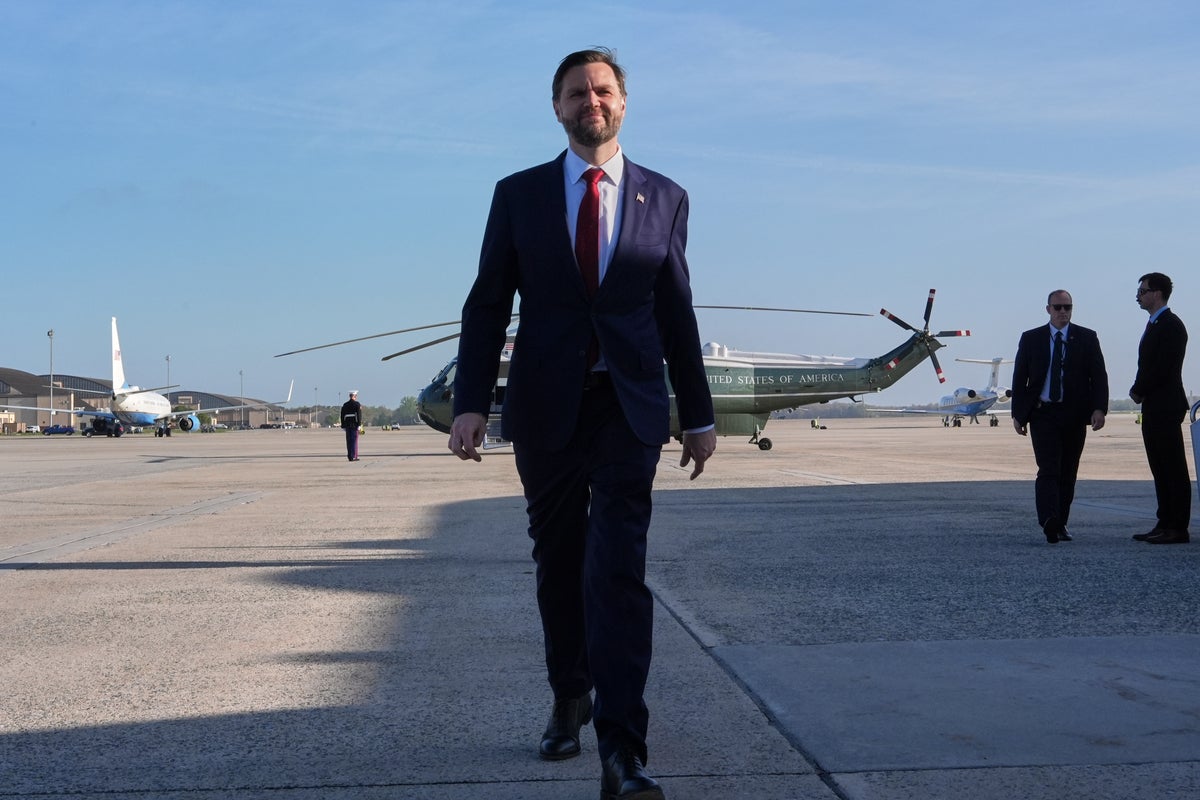
US Vice President JD Vance flew to Islamabad on April 10-11 to lead direct negotiations with Iran, his delegation including envoy Steve Witkoff and Jared Kushner. Pakistan brokered and hosted the talks, deploying F-16s to escort Air Force Two as a show of security and diplomatic weight. The ceasefire that preceded the talks was described by both sides as shaky, with mutual accusations of violations. Vance warned Iran publicly not to 'play' the US before departing, signaling the talks begin with distrust already on the table.
Pakistan is doing the real diplomatic work here, and Washington knows it: Islamabad's leverage over both sides is what makes this meeting possible, which means Iran and the US are both negotiating against Pakistan's interests in the background.
Prediction Markets
Prices as of 2026-04-11 — the analysis was written against these odds
The Hidden Bet
The ceasefire is fragile because both sides want it to hold.
Iran may calculate that a prolonged negotiation freeze serves its position better than a rushed deal: every week the Strait remains contested costs global markets and builds Iran's coercive leverage. The ceasefire violations may be deliberate calibration, not rogue actors.
Pakistan is a neutral host with no skin in the game.
Pakistan's economy depends on Gulf energy transit; a Hormuz deal that permanently favors US naval access threatens Pakistani balancing acts with China and the Gulf states. Islamabad agreed to host partly to extract concessions it is not advertising publicly.
Trump wants a deal that ends the conflict.
A Polymarket contract shows 57% odds that Trump agrees to Iranian oil sanction relief in April, but only 19.5% on uranium enrichment. A partial deal that gets oil flowing without resolving nuclear terms would let Trump declare victory while Iran rearms. That outcome suits Trump politically even if it fails strategically.
The Real Disagreement
The actual fork is whether Iran's nuclear program is on the table or off it. Washington's public position is that any deal must constrain enrichment. Iran's position is that negotiations are about the war, not the nuclear file. Both stances are coherent: the US cannot sell a deal domestically that leaves the nuclear program intact, and Iran cannot survive domestically by surrendering its deterrent leverage. You cannot square this. One side has to formally abandon its position in writing, and neither will do it first. The side I'd lean toward: Iran holds the harder line here because their domestic political cost of capitulation is existential for the regime, while Trump's domestic cost of a partial deal is manageable. Iran will outlast the negotiating pressure unless the US escalates, which Vance was sent explicitly to avoid.
What No One Is Saying
The Islamabad venue is not about neutrality. It is about Pakistan needing to demonstrate strategic value to the US after years of declining leverage, and both sides agreed to give Pakistan that win in exchange for hosting. The deal being negotiated is as much about Pakistan's future role as a US partner as it is about Iran.
Who Pays
Asian oil importers, especially India and South Korea
Immediate and ongoing through any deal's implementation period
Every day the Strait of Hormuz remains at risk adds a premium to crude prices; the Polymarket market shows 30% odds Iran wins transit fee concessions in April. If Iran secures formal toll rights over the Strait, Asian importers face a permanent structural cost increase.
Iranian civilians
Medium-term; 3-12 months post any framework agreement
Sanctions relief is priced at 57% on Polymarket, but the pace of relief and which sanctions are lifted will be fought over for months. If negotiators agree on principles but delay implementation, Iranian civilians bear the economic cost of the gap between announcement and reality.
Israel
Slow-burn; becomes critical if a deal is announced without Israeli sign-off
Any deal that leaves Iran's nuclear enrichment capacity intact above a threshold Israel considers acceptable triggers Israeli escalation calculus independent of US-Iran diplomacy. Israel is absent from the Islamabad talks and has no formal veto.
Scenarios
Framework deal, implementation collapse
Vance announces a ceasefire extension and a framework for nuclear and sanction talks within days. But Iran and the US disagree on sequencing: sanctions first or enrichment caps first. The framework holds on paper for 60-90 days before falling apart.
Signal Watch for language like 'principles agreement' or 'roadmap' with no specific timelines. That is the framework-without-substance outcome.
Talks fail, escalation resumes
Iran's delegation holds firm on enrichment rights; Vance returns without a deal. Trump reframes the talks as Iran's failure and authorizes additional strikes. The Strait disruption deepens.
Signal Vance leaving Islamabad without a joint statement or press conference with Iranian counterparts.
Partial deal: oil flows, nuclear frozen
Iran agrees to pause enrichment above 20% in exchange for partial sanction relief and US withdrawal of forces from two forward positions. Oil markets rally. Nuclear file is explicitly deferred. Polymarket's 57% odds on sanction relief suggest this is the market's base case.
Signal Announcement of specific OPEC+ coordination within two weeks of the talks, and US Treasury announcing any sanction waivers.
What Would Change This
If Iran accepts any cap on uranium enrichment as part of the initial agreement, the bottom line is wrong: that would mean Tehran decided regime survival required a deal more than nuclear leverage. That has not been true since 2015, but the damage from the war may have changed the calculus.