Pump Relief as Political Triage
What happened
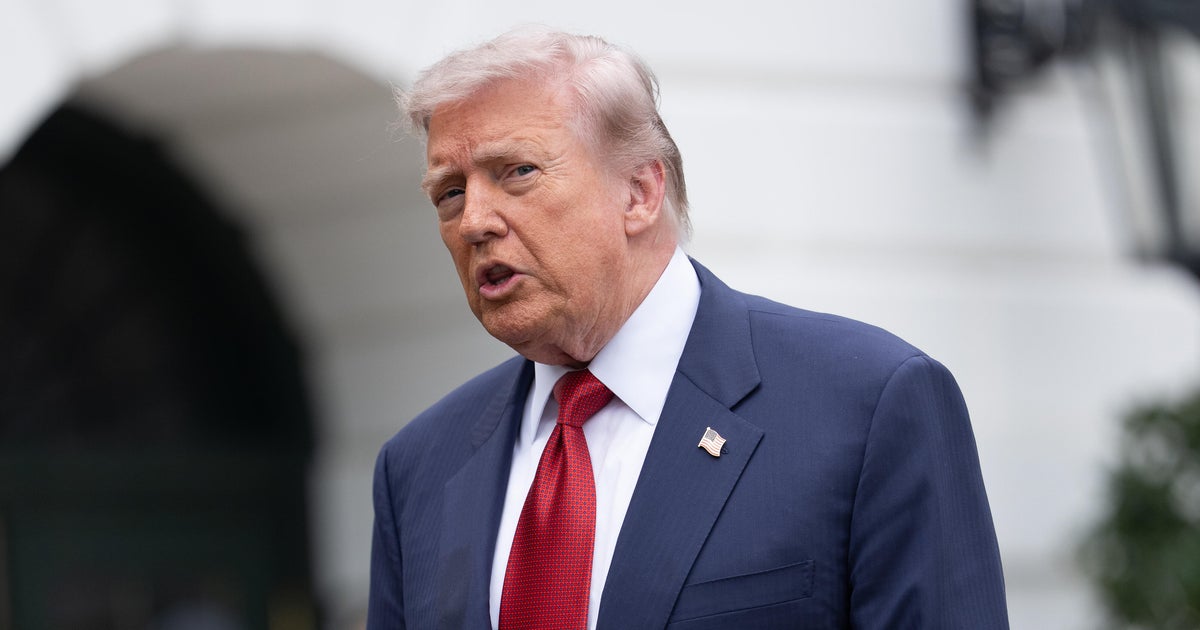
President Trump told CBS News Monday he intends to suspend the federal gas tax 'for a period of time,' after gas prices hit $4.52 per gallon on average, up from $2.98 before the US-Israel war on Iran began in late February. The 18.4 cents per gallon tax funds the Highway Trust Fund at roughly $500 million per week; suspending it requires an act of Congress. Republican Senator Josh Hawley and GOP Representative Anna Paulina Luna said they would introduce suspension legislation the same day. Separately, a federal Court of International Trade panel ruled last week that Trump's Section 122 tariffs were also invalid, the second judicial blow to Trump's tariff policy after the Supreme Court struck his IEEPA tariffs in February. The administration is seeking an emergency stay to keep collecting tariffs.
Trump's fiscal position in the Iran war is deteriorating from two directions simultaneously: gas prices are generating visible domestic pain, and the courts are dismantling the tariff revenues he was counting on to fund his agenda. The gas tax suspension is not economic policy. It is an 18.4-cent-per-gallon purchase of midterm survival, paid for by future infrastructure failure.
Prediction Markets
Prices as of 2026-05-12 — the analysis was written against these odds
The Hidden Bet
A gas tax holiday will actually lower pump prices
When the federal gas tax was last suspended in summer 2022 under a Biden proposal that never passed, economists argued most of the savings would be captured by fuel distributors and retailers as margin, not passed to consumers. The fundamental driver of $4.52 gas is not an 18.4-cent tax. It is Brent crude at $104 due to the Hormuz blockade. Eliminating the tax does not move the price of oil.
Congress will move quickly on gas tax suspension
Every Senator who votes to suspend the gas tax is also voting to stop funding roads and bridges in their state. Infrastructure spending is one of the few bipartisan consensus items. The political calculation for Republicans in swing states with deteriorating highways may not be as clean as Trump's announcement makes it seem.
The tariff court losses are a temporary legal setback
The SCOTUS ruling in February and the CIT ruling last week represent two separate legal theories being dismantled: IEEPA authority and Section 122 authority. Trump is now relying on a stay to keep collecting tariffs while the administration figures out what statute might survive review. If the stay fails, tariff revenue stops. That is not a temporary setback. It is the collapse of the trade policy that was supposed to fund everything else.
The Real Disagreement
The core tension is between two legitimate claims: that Americans experiencing $4.52 gas deserve some relief from a war they didn't vote for and can't control, versus that the Highway Trust Fund is already underfunded and suspending the gas tax is trading present-day political relief for long-term infrastructure debt. Both things are true. The second should win, but political time horizons run to the next election, not the next bridge inspection cycle. The honest answer is that if the administration wanted to provide gas price relief without gutting infrastructure funding, it would release more from the Strategic Petroleum Reserve or push harder to reopen Hormuz. The gas tax suspension is the option that makes the announcement easiest and the damage most deferred.
What No One Is Saying
The gas tax suspension and the tariff court losses are connected. Both reduce federal revenue at the moment the US is prosecuting an undeclared war against Iran that requires sustained military expenditure. The defense budget is being stretched, domestic infrastructure spending is being deprioritized, and the administration is simultaneously seeking to cut taxes on corporations and high earners. No one is stating plainly that the US is spending money it does not have on a war Congress never authorized against a country it has not declared war on, and is managing the fiscal fallout with accounting that would not survive scrutiny in a peacetime budget review.
Who Pays
Future infrastructure users: commuters, freight operators, rural communities
The degradation is slow-burn, 5-15 years, but it accelerates with every week of suspension
Highway Trust Fund suspension reduces the capital available for road maintenance, bridge inspection, and transit investment. Deferred maintenance compounds; the cost of fixing a pothole in year five is 20 times the cost of fixing it in year one
US importers and small businesses who paid Section 122 tariffs
Immediate, ongoing for every company that imports goods subject to the tariffs
The Court of International Trade ruling found the tariffs invalid, but the administration is seeking a stay. Businesses that paid tariffs and expected refunds are now in legal limbo. Planning on supply chains becomes impossible when the tariff rate is genuinely unknown
Low-income drivers
Current and ongoing
They spend the highest share of income on gasoline. The gas tax suspension will provide an 18.4 cent per gallon benefit. But if that benefit is captured by distributors rather than passed through, they get nothing. Meanwhile, the inflation driven by the Iran war hits food and goods prices across their entire consumption basket
Scenarios
Gas tax holiday passes, war ends
Congress suspends the gas tax for 90 days. The Hormuz situation resolves within that window, oil prices drop, gas falls below $3.50. The highway fund loses $6 billion. Trump declares victory. The infrastructure damage is deferred into the next administration's problem.
Signal Watch for Senate Majority Leader floor scheduling on Hawley's bill. If it moves to the floor within two weeks, this is the path.
Gas tax bill stalls, tariff revenue collapses
Infrastructure-state Republicans block the gas tax suspension in committee. Courts deny the administration's stay request on Section 122 tariffs. Trump loses both revenue streams simultaneously while oil stays elevated. Consumer sentiment falls to historic lows before midterms.
Signal Watch for the emergency stay ruling from the Court of International Trade, expected within weeks.
Gas tax suspended but oil stays high
Congress passes suspension. Gas drops 18 cents to $4.34 a gallon. Consumers don't notice. The political benefit evaporates. The highway fund bleeds $500M a week for the duration of the war. Trump needs a new relief narrative.
Signal If gas stays above $4.00 one month after suspension passes, this is where we are.
What Would Change This
If the Hormuz blockade ended and oil dropped to $80 Brent, the gas tax suspension becomes politically unnecessary and economically absurd. The fiscal case for suspending disappears and Congress could let the proposal die quietly. The gas tax story is entirely a downstream consequence of the Iran war story.
Related
Trump Wants to Suspend the Gas Tax. The Industry That Runs on Gas Does Not.
decisionUS Jobless Claims Hit a 57-Year Low. Economists Say the Real Pain Is Still Coming.
powerThe Senate Has Voted Seven Times to End the Iran War and Lost Every Time. That Is Now the Point.
powerTrump Started a War That Is Preventing the Rate Cuts He Wants