Trump Wants to Suspend the Gas Tax. The Industry That Runs on Gas Does Not.
What happened
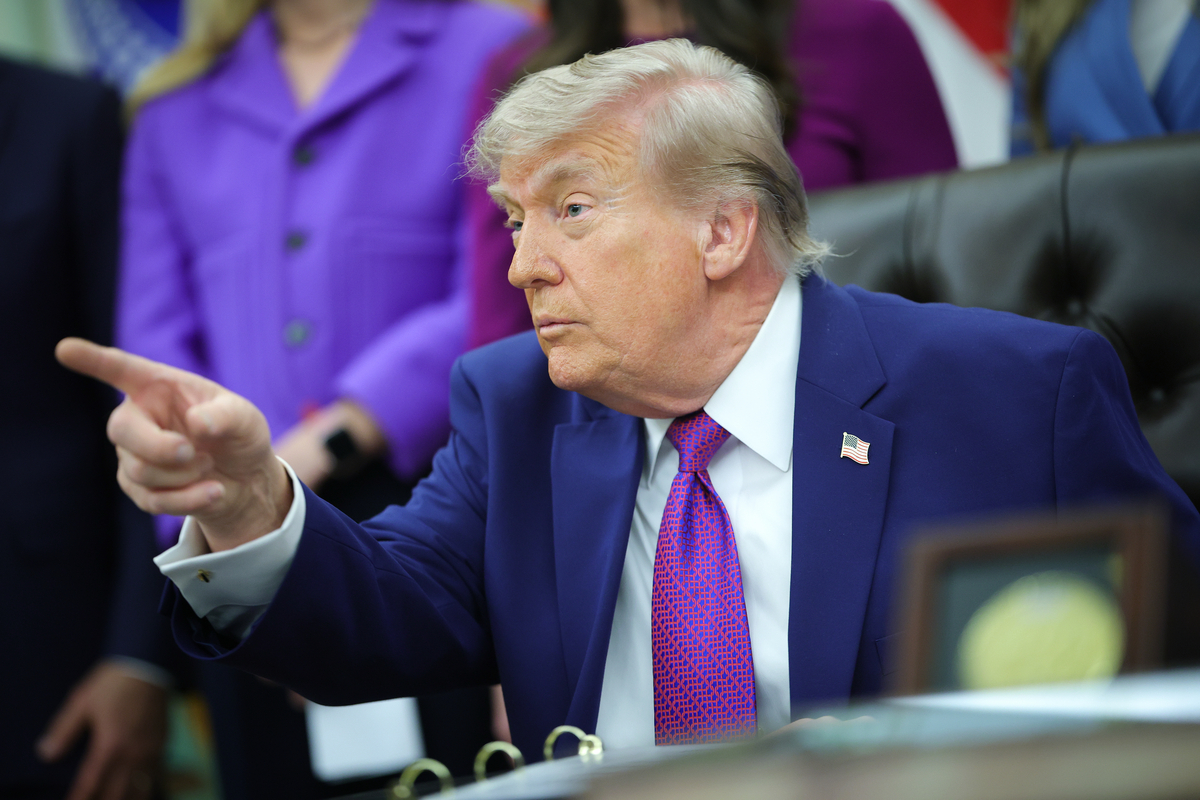
President Trump publicly endorsed suspending the federal gas tax on Monday, saying 'I'm going to' when asked if he supported the move. The national average gasoline price has risen approximately 50% since the US-Iran war began February 28, reaching $4.50 per gallon. The federal gas tax is 18.4 cents on regular and 24.4 cents on diesel. Suspending it would require a congressional vote and would reduce Highway Trust Fund revenue by an estimated $30 billion annually. Speaker Mike Johnson called the idea 'intriguing' without committing. Trucking and construction industry groups -- two of Trump's strongest business allies -- publicly opposed the proposal within 24 hours.
The gas tax holiday is a political gesture that does not address the actual problem, and the people who would lose most from it -- highway construction workers and trucking companies that depend on maintained roads -- are the ones telling Congress to kill it.
Prediction Markets
Prices as of 2026-05-13 — the analysis was written against these odds
The Hidden Bet
Suspending the gas tax meaningfully reduces pump prices for consumers
When Biden proposed this in 2022, economists broadly agreed that oil companies and retailers would capture most of the benefit rather than passing it to consumers. The empirical evidence from state-level gas tax holidays (Maryland, Georgia, Connecticut in 2022) showed mixed and often minimal consumer savings. The Iran war's price pressure is a supply shock, not a tax problem.
The Highway Trust Fund can absorb a temporary suspension
The fund was already projected to become insolvent by 2028 before the suspension proposal. A $30 billion annual reduction -- even a partial-year suspension -- accelerates the timeline for a federal infrastructure funding crisis. The 2021 infrastructure law borrowed ahead; the Trust Fund does not have the buffer to absorb another hit.
Core Republican constituencies support this because they are hurt by high gas prices
The trucking industry's opposition reveals the fault line: high diesel costs hurt truckers, but the highways they depend on are funded by the gas tax they want suspended. Diesel is 24.4 cents per gallon -- double the consumer savings, double the fund damage. Truckers run the math differently than commuters.
The Real Disagreement
The real fork is between treating high gas prices as a political emergency that requires immediate visible action, versus treating the Highway Trust Fund as a structural constraint that cannot be raided without long-term cost. The case for action: $4.50 gas is a genuine hardship for hourly workers, and 18 cents is real money at scale even if economists disagree. The case against: the highway fund is not discretionary -- roads degrade on a physical timeline, and deferring maintenance costs more than the maintenance. You cannot fully have both. A gas tax holiday gives the impression of relief while transferring the cost to everyone who uses a road. This is not a close call: the structural argument is right, and the political argument is designed to obscure who actually pays.
What No One Is Saying
The cleanest way to help consumers hurt by Iran war gas prices is to release more oil from the Strategic Petroleum Reserve or negotiate faster with Iran. A gas tax holiday is what you do when you cannot or will not solve the underlying problem and need to demonstrate that you tried.
Who Pays
Future highway construction workers
Medium-term, 18-24 months after any suspension
Highway Trust Fund shortfall accelerates project cancellations and deferrals. The American Road and Transportation Builders Association estimates each $1 billion reduction in HTF revenue eliminates roughly 13,000 jobs over 18 months
Commuters in states with deteriorating roads
Slow-burn, over 2-5 years
Reduced federal highway matching funds force state transportation departments to delay or cancel maintenance projects. Pothole-related vehicle damage costs US drivers an average of $600 per year in cities with poor road conditions
Oil companies and gas retailers
Immediate, from day one of any suspension
Historical evidence suggests they capture 40-60% of gas tax holiday savings in margin expansion rather than passing them to consumers. They benefit from the optics of a government price intervention while keeping the money.
Scenarios
Congress passes a 90-day suspension
Leadership finds a vehicle -- potentially attached to the reconciliation bill -- for a time-limited holiday. Pump prices fall modestly in the first two weeks, then stabilize. Highway Trust Fund takes a $7-8 billion hit.
Signal Speaker Johnson sets a floor vote before Memorial Day; Senate majority whip counts 50+ votes
Proposal dies in committee
Senate Republicans on the Finance Committee decline to move the legislation, citing HTF solvency concerns. Trump moves on. Gas prices stay high. Iran war remains the operative political explanation.
Signal Senate Finance Committee chair declines to schedule a markup hearing within 3 weeks
Partial diesel-only carveout
Congress passes a narrower bill suspending only the diesel surcharge for commercial vehicles, protecting most of the HTF while giving the trucking industry meaningful relief. A political compromise that satisfies no one completely.
Signal American Trucking Associations withdraws opposition and sends a letter supporting a modified bill
What Would Change This
If the SPR is effectively exhausted or Iran war disruptions spread to additional Gulf shipping lanes, causing gas prices to approach $6 per gallon, the political pressure becomes large enough that structural objections get overridden. That is the scenario where the highway fund takes the hit regardless of the economic merits.