Powell's Last Meeting. Four Dissents. And Warsh Waiting.
What happened
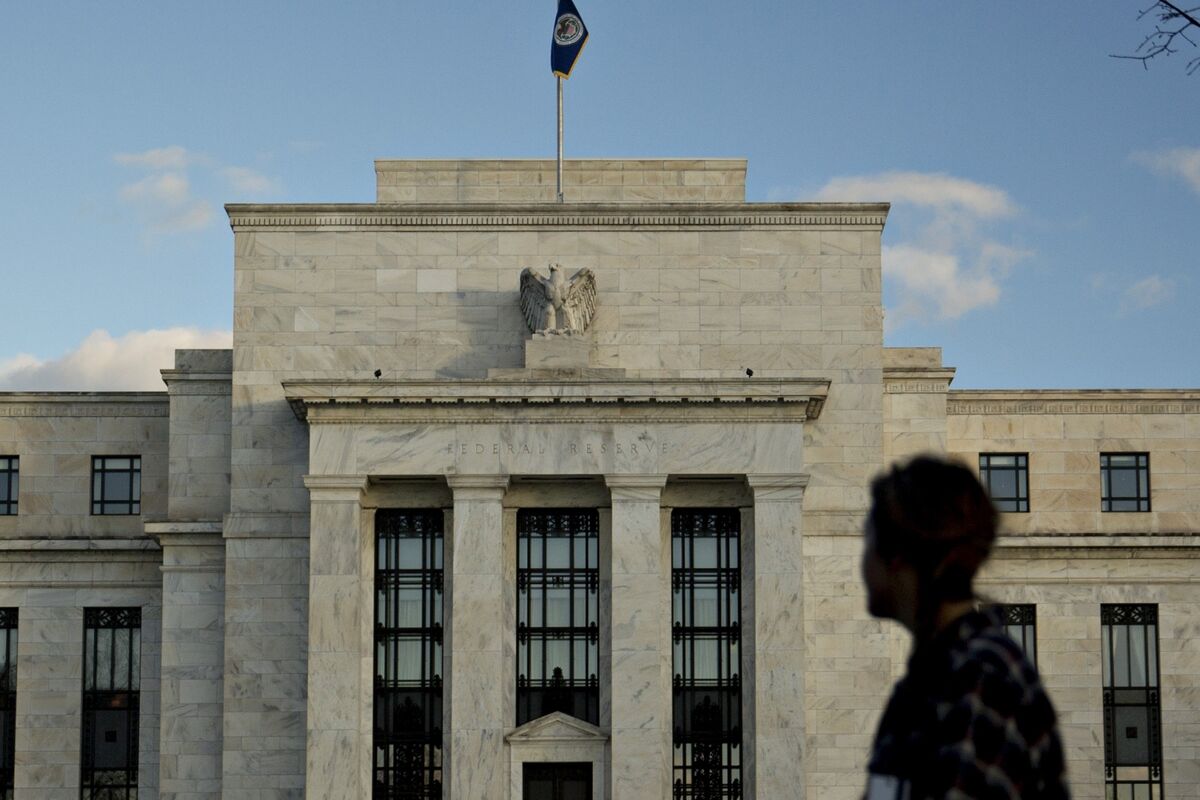
The Federal Reserve held interest rates at 3.5 to 3.75 percent at its April 29 meeting, the third consecutive hold. Four officials dissented, the most since 1992. Three of the four wanted tighter policy language acknowledging inflation risk from the Iran oil shock; one wanted an immediate rate cut citing labor market softening. Jerome Powell announced he will remain on the Fed Board of Governors after his chair term ends in May, despite Kevin Warsh having cleared Senate confirmation and being ready to take the chair position. A DOJ investigation into the Fed's building renovation, which Powell called politically motivated, is the stated reason for his continued presence.
The four dissents are not a procedural anomaly. They reflect a genuine institutional fracture: the Fed cannot agree on whether $4.50 gasoline is an inflation problem requiring hikes or a growth shock requiring cuts, and Warsh inherits a divided institution on his first day with Powell still in the room.
Prediction Markets
Prices as of 2026-05-08 — the analysis was written against these odds
Will Jerome Powell depart as Fed Chair by May 16 2026?
Polymarket · as of 2026-05-08
88%
yes
Will Kevin Warsh be confirmed as Fed Chair?
Polymarket · as of 2026-05-08
100%
yes
US recession by end of 2026?
Polymarket · as of 2026-05-08
23%
yes
US x Iran permanent peace deal by May 31, 2026?
Polymarket · as of 2026-05-08
34%
yes
The Hidden Bet
Warsh will unify the Fed around a clear rate path once he takes over
The disagreement among dissenters is not about personality or leadership; it is about whether the Iran war is fundamentally inflationary or deflationary. Warsh will face the same empirical ambiguity Powell faced. His policy instincts lean hawkish, which would make three of the four dissenters his allies but alienate Miran, who is a Trump ally.
Powell's decision to stay as governor is about institutional integrity
Powell staying on the board while Warsh chairs is structurally unusual and guarantees a public dissent record. Every time Warsh votes for a rate cut to satisfy Trump, Powell can dissent with institutional credibility. Staying on is not neutral; it is a veto mechanism.
The 22.5% recession probability priced by markets reflects the true downside risk
The Polymarket recession market was set before the April jobs beat and before the 5th Circuit mifepristone ruling redirected consumer health spending pressure. The market may be stale. More importantly, 22.5% assumes the Iran conflict resolves within 90 days; if it doesn't, stagflation scenarios that the Fed is not prepared to handle become more likely.
The Real Disagreement
The actual fork is this: the Fed can prioritize price stability, which means holding or hiking into a softening labor market, or it can prioritize employment, which means cutting into an oil-driven inflation environment. Both mandates are statutory. They cannot both be satisfied when a war is causing a supply shock. The standard answer is to look through temporary supply shocks, but the Iran conflict has now lasted long enough that calling it temporary is a political judgment, not an economic one. Warsh's hawkish instincts push toward holding or hiking, which is the intellectually consistent position but one that will produce job losses in the second half of 2026. That is the position the market is not pricing.
What No One Is Saying
Powell staying on the board converts the Federal Reserve from a technocratic institution into an implicit political check on Trump. That is exactly what the Fed is not supposed to be. Powell is doing it anyway, and calling it governance.
Who Pays
Homebuyers and mortgage holders
Ongoing, compounding through 2026
Every month the Fed holds at 3.5 to 3.75 percent is another month of 7.5 percent mortgage rates. The housing market is effectively frozen for buyers who need financing. A hawkish Warsh holding or hiking means this persists through 2027.
Small businesses with variable-rate debt
Q3-Q4 2026
Small businesses carry disproportionately more floating-rate credit than large firms. Holding rates while input costs rise from oil creates a margin squeeze with no relief valve.
Workers in rate-sensitive sectors
6-9 months
Construction, manufacturing, and retail are the most exposed to high borrowing costs. If Warsh holds or hikes, these sectors contract first. The April jobs beat did not come from these sectors.
Scenarios
Warsh Hikes Into Weakness
Warsh takes the chair, prioritizes inflation credibility, holds or nudges rates up through Q3. The labor market begins softening in late 2026 as construction and manufacturing pull back. Recession odds climb above 40 percent.
Signal First FOMC meeting under Warsh ends with no cut and a statement emphasizing inflation vigilance.
Political Cut
Trump pressures Warsh publicly; Warsh cuts by 25 basis points in Q3 despite elevated inflation. Powell dissents on record. Treasury markets sell off as credibility erodes. Long-term rates rise even as short rates fall.
Signal Trump posts about interest rates on social media within 30 days of Warsh taking the chair.
Iran Deal Unlocks Cuts
A US-Iran peace deal by end of May (16.7% on Polymarket) collapses oil prices back toward $80, inflation cools, and the Iran-war dissenters' arguments collapse. Warsh cuts in Q3 with institutional unity and political cover.
Signal WTI crude drops below $85 within two weeks of a ceasefire announcement; Polymarket already prices this low at 38.5% chance.
What Would Change This
If the Iran conflict ends before Warsh's first meeting and oil drops below $90, the case for prolonged holds weakens significantly. Also: if Warsh's first statement language emphasizes the dual mandate rather than price stability alone, that signals he intends to be more dovish than his public statements suggest, and the 'hawkish inheritance' frame is wrong.
Related
Trump Got His Fed Chair. He May Get Rate Hikes.
decisionFour Fed Officials Broke With Powell at His Last Meeting. That's the Story.
powerPowell's Last Stand: The Fed Chair Who Can't Cut Passes the Baton to Someone Who Won't
decisionThe Inflation Number Lands Three Days Before the New Fed Chair Does