Trump Threatens More Bombs While Claiming Peace Progress on Iran
What happened
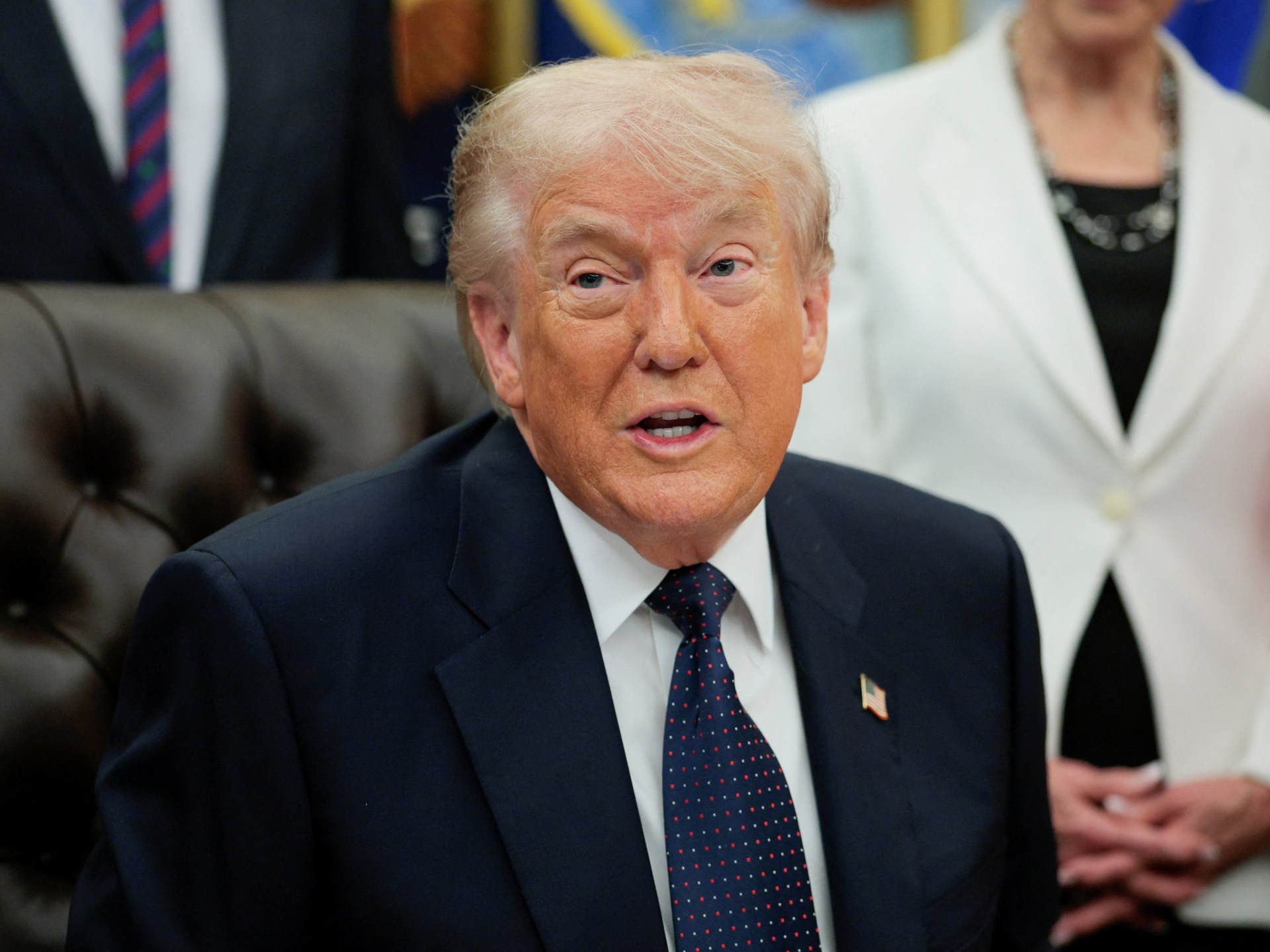
On day 68 of the US war with Iran, President Trump paused 'Project Freedom,' the US naval operation to force open the Strait of Hormuz, announcing 'great progress' toward a peace deal brokered by Pakistan. Axios reported a 14-point memorandum of understanding under discussion, covering a halt to Iran's uranium enrichment, transfer of its enriched stockpile to the US, lifting of US sanctions, and a Lebanon ceasefire. Iran said it was 'reviewing' the proposal. Trump simultaneously posted on Truth Social that Iran would be bombed 'at a much higher level' if it refused. Pakistan's prime minister publicly praised the pause. Secretary of State Rubio declared the war 'over,' the same day Israel killed a senior Hezbollah commander in Beirut.
This is not a peace negotiation. It is a coercion loop: Trump offers terms, threatens escalation if refused, and calls the threat 'great progress.' Iran is being asked to surrender its nuclear deterrent while the bombs are still falling.
Prediction Markets
Prices as of 2026-05-07 — the analysis was written against these odds
The Hidden Bet
A one-page memorandum ends the war
The 14-point list defers every hard question. Enrichment halts can be reversed in weeks. The 'detailed talks' to follow are where Iran's negotiating position collapses or holds. Signing the MoU may simply be Iran buying time while preserving its program.
Pakistan is a neutral mediator
Pakistan is economically dependent on Gulf states that want Iran contained, and it needs US goodwill for IMF support. Its incentive is to push Iran toward agreement regardless of Iran's actual interests. Iran likely knows this.
Trump wants a deal more than he wants to bomb
The pause in Project Freedom lasted less than 48 hours before Trump renewed bomb threats. If Iran accepts the MoU but the enrichment verification process bogs down, Trump has a ready-made escalation pretext. Ending the war is one possible outcome; a longer permanent state of semi-war under US terms is another.
The Real Disagreement
The fork: Iran can accept a coerced deal that ends the immediate war but locks in permanent nuclear subordination to US verification, or it can refuse, face escalation, and gamble that Trump's domestic constraints eventually force a real negotiation. The first path trades sovereignty for survival now. The second trades survival for a theoretical better deal later. Iran's parliament calling it a 'wish list' signals it leans toward refusal. The market at 25% for a deal by May 31 and 40% by June 30 says most money thinks no deal closes in the next few weeks. That implies Iran is not capitulating on schedule.
What No One Is Saying
Rubio declaring the war 'over' while Israel killed a Hezbollah commander in Beirut the same afternoon is not a contradiction. It is the working definition of 'over' in this administration: the US is done fighting, but its allies keep the pressure on. The MoU would formalize a situation in which Iran absorbs continued Israeli strikes as the cost of not being bombed by America.
Who Pays
Iranian civilians and the Iranian economy
Ongoing, with medium-term extension likely
The blockade of the Strait of Hormuz has cut Iranian oil exports to near zero. Every week of delay in closing the deal extends those losses. Even if a deal is signed, sanctions relief is phased and conditioned on verification, meaning the economic damage continues for months.
Global shipping and supply chains
Already priced in; will persist until deal is ratified and verified
The NY Fed's Global Supply Chain Pressures index hit its highest level since July 2022 in April 2026. Every day the Strait remains contested raises insurance costs on all Persian Gulf shipping, not just Iranian oil.
Pakistan
Medium-term if talks collapse
If mediation fails and the US escalates, Pakistan's role as the conduit becomes a liability. Tehran will remember who carried the terms, and Islamabad will face pressure from both sides.
Scenarios
Paper Deal
Iran signs the one-page MoU, enrichment officially halts, US suspends strikes. Within 60 days the verification dispute begins and the deal enters de facto suspension while both sides claim compliance.
Signal Iran agrees to the MoU but insists on IAEA rather than US verification. Watch for the specific verification mechanism in the text.
No Deal, Escalation
Iran rejects the 14 points, Trump resumes Project Freedom. US strikes expand beyond nuclear sites to IRGC command infrastructure. Oil hits $130. Congress debates a formal war declaration.
Signal Iran's foreign ministry issues a formal rejection rather than continuing to say it is 'reviewing.' Polymarket war declaration market sits at 5.5%, suggesting this is not the base case.
Slow Yes
Iran neither accepts nor rejects, negotiations drag through June, Trump gets credit for a 'pause' before midterm elections. The Strait partially reopens under a provisional arrangement. The nuclear question is deferred for formal talks.
Signal Pakistan mediators travel to Tehran rather than waiting for Iran to signal acceptance. Polymarket's June 30 deal probability at 40% fits this path.
What Would Change This
If Iran's supreme leader directly endorses the MoU framework rather than leaving it to parliament to reject, the bottom line is wrong and real negotiations are beginning. That has not happened.