Pay Iran or Face US Sanctions. Shipping Companies Must Choose.
What happened
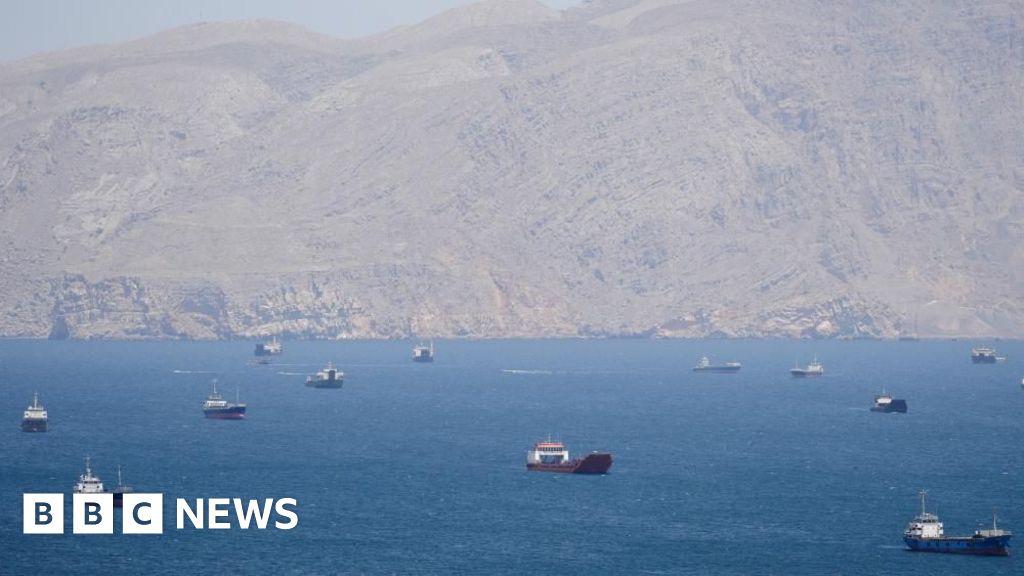
The US government issued a formal warning on May 2, 2026 that any shipping company paying transit tolls to Iran for passage through the Strait of Hormuz would face secondary sanctions, cutting them off from US markets and the dollar system. The warning came as Trump separately described the US Navy's seizure of Iranian cargo ships as 'a very profitable business.' Iran has been collecting tolls from vessels transiting its claimed zone in the Strait since early 2026 as a revenue mechanism under its partial blockade. Polymarket prices only a 16.5% probability that Iran agrees to unrestricted Hormuz shipping by May 31.
The US has closed both exits: pay Iran and face US sanctions, or refuse to pay and face Iranian seizure. There is no legal route through the Strait, which carries 20% of the world's oil, and the US is now explicitly treating the seizure of Iranian cargo as a profit center rather than a security operation.
Prediction Markets
Prices as of 2026-05-02 — the analysis was written against these odds
The Hidden Bet
Secondary sanctions will stop shipping companies from paying Iran's tolls
Chinese and Indian state-owned shipping companies operate largely outside the US dollar system and have minimal exposure to US secondary sanctions. They have every incentive to pay Iran's tolls, transit normally, and collect the arbitrage premium on oil that Western companies cannot access. The sanctions will fragment the shipping market, not stop the tolls.
The US naval presence is primarily about securing freedom of navigation
Trump described seizing cargo as 'very profitable' and framed it in revenue terms. If the goal were freedom of navigation, the US would facilitate transit rather than seize cargo. The naval operation is functioning as a competing toll collector rather than a security force. The Strait has two toll collectors and one of them is the US.
The ceasefire agreement covers the Strait of Hormuz situation
Trump told Congress the ceasefire means hostilities have terminated. But the maritime confrontation in the Strait is intensifying, not de-escalating. The ceasefire applies to the air war; the economic blockade is explicitly continuing and the administration is celebrating it as profitable. The ceasefire is a legal fiction while the war by other means continues.
The Real Disagreement
The underlying fork is whether the US is trying to coerce Iran into a deal or whether it is trying to permanently subordinate Iranian oil exports as a lever it never gives up. A genuine negotiating strategy would leave Iran a path to restored trade; every recent US action closes that path further. If the goal is a deal, the US is making one less achievable. If the goal is permanent leverage, the current approach is coherent but admits that a deal is not actually the objective. Polymarket prices a permanent peace deal by May 31 at 21.5%, which suggests even the market is not sure which game is being played.
What No One Is Saying
The secondary sanctions threat is aimed at European and Asian shipping companies, but the companies that will comply are the Western ones that already cannot access Iranian markets. The companies that will ignore it are the Chinese and Indian firms that do not depend on dollar access. The net effect is to accelerate the bifurcation of global shipping into US-aligned and non-US-aligned lanes, which weakens US sanctions leverage permanently.
Who Pays
European shipping and insurance companies
Immediate; insurance exclusions are already in place
Caught between US sanctions threats and Iranian seizure risk with no legal path through the Strait; P&I insurance clubs are already excluding Hormuz coverage, raising costs for any shipper attempting transit
Countries dependent on Persian Gulf oil imports
Ongoing; will intensify if the Strait remains contested through summer
Japan, South Korea, India, and EU states that import Gulf crude face elevated prices and supply disruption risk as routing changes add cost and transit times increase
Fertiliser and food importers globally
Agricultural impact will compound through the growing season; food price effects in 3-6 months
The Yara CEO warned that fertiliser shortages from Iranian conflict disruption could reduce crop yields and push food prices higher; this is not hypothetical, it is already affecting spring planting cycles
Scenarios
Hormuz Partition
The Strait effectively splits into US-policed western lanes and Chinese/Iranian-controlled eastern lanes. Western oil companies transit under US naval escort; Chinese and Indian shippers pay Iran's tolls and move through uncontested. The sanctions split the shipping market but do not close the Strait.
Signal Reports of Chinese VLCC tankers transiting without US naval escort and without incident; IRGC not seizing Chinese-flagged vessels
Deal Before Summer
Iran, facing energy revenue collapse and domestic economic crisis, accepts a modified nuclear deal that includes Hormuz reopening in exchange for phased sanctions relief. The ceasefire extends to maritime operations. Polymarket prices this at 21.5%.
Signal A Pakistani or Omani diplomatic announcement of resumed formal US-Iran talks with maritime issues explicitly on the agenda
Escalation Spiral
Iran retaliates for US cargo seizures by seizing Western-flagged vessels with higher profile cargo. The US responds with strikes on IRGC naval facilities. The ceasefire collapses and the air war resumes alongside the maritime conflict.
Signal Any Iranian seizure of a vessel carrying cargo valued over $1 billion or with European nationality
What Would Change This
If Iran accepted the US proposal for unrestricted Hormuz transit in exchange for a binding nuclear limitation agreement, both the sanctions threat and the naval seizure dynamic would shift rapidly. The 16.5% Polymarket probability reflects how unlikely this is: Iran has little incentive to give up its last economic leverage before a permanent deal is secured. If that probability ticks above 40%, the analysis changes.