Project Freedom Cracks the Ceasefire
What happened
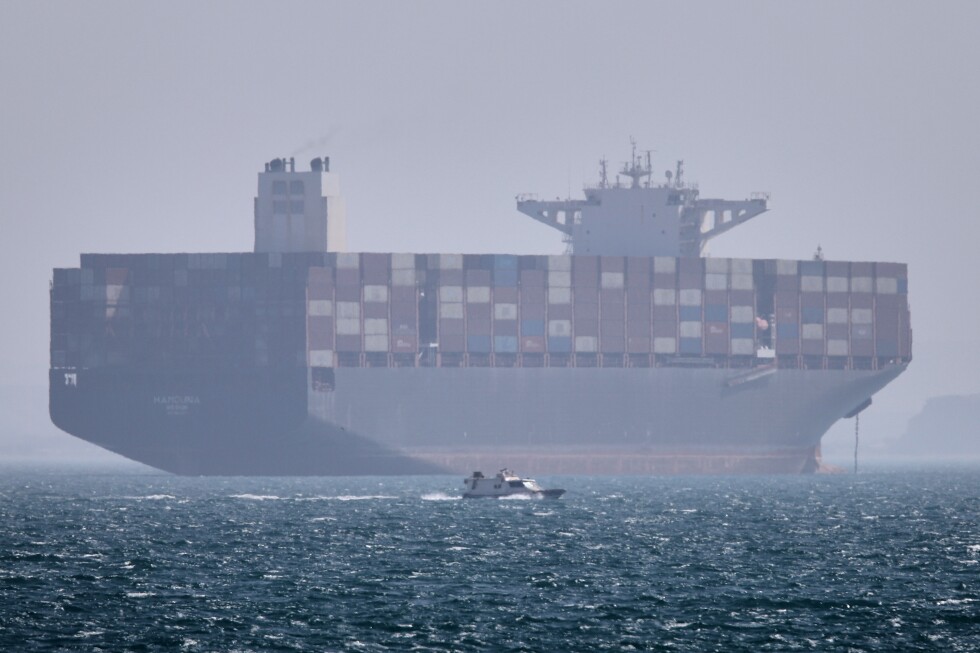
The US military launched Operation Project Freedom on May 4, deploying guided-missile destroyers, over 100 aircraft, and 15,000 personnel to escort stranded commercial ships through the Strait of Hormuz. The US said it sank six Iranian small boats that attacked civilian vessels and successfully transited two American-flagged merchant ships. The United Arab Emirates, which had not been attacked since the early-April ceasefire took hold, said Iran struck it with missiles and drones for the first time during the conflict. Two cargo vessels were reported ablaze off the UAE coast. Iran called the US naval operation a ceasefire violation, while Trump had already rejected Iran's 14-point peace proposal as unsatisfactory.
The US chose to reopen the strait rather than close a deal, which means the ceasefire was already dead in Washington before Iran fired a single shot on Monday.
Prediction Markets
Prices as of 2026-05-05 — the analysis was written against these odds
The Hidden Bet
The ceasefire was a stable pause that both sides wanted to preserve
Trump rejected Iran's formal 14-point proposal days before launching Project Freedom, suggesting the US was not actually negotiating in good faith during the ceasefire period. A ceasefire both sides want to break is not a ceasefire.
Reopening the strait is primarily about global shipping and economics
The operation uses 15,000 personnel and over 100 aircraft, far more than needed for merchant escort. The scale signals a deliberate test of whether Iran will fight back, not a humanitarian operation.
Iran's attacks on the UAE represent an escalation by Tehran
Iran's position is that US convoy operations violated the ceasefire terms first. The UAE attacks are, from Tehran's view, a lawful response to a broken agreement. Whether that framing has merit changes who bears the cost of escalation politically.
The Real Disagreement
The actual fork is between two things that both seem right: that 20% of the world's oil cannot be held hostage indefinitely by a state that lost a military confrontation, and that forcing ships through a contested strait without a negotiated framework is not reopening a sea lane but starting a second round of war. The US is betting the first. Iran is betting the second. Both are correct about something. The US has the military advantage; Iran has the ability to drag this indefinitely, including through proxies that can threaten the UAE and Saudi infrastructure. The lean here is toward the US achieving temporary transit while failing to close the war, leaving the strait contested for months.
What No One Is Saying
Iran's 14-point proposal was rejected before Project Freedom launched. That sequencing means the US chose military action over a negotiated opening. If the goal were really to free ships, the proposal would have been the easier path. The real prize is not the shipping lanes; it is establishing that the US can operate freely in the strait under fire, which matters for the upcoming Trump-Xi summit where Taiwan and the Pacific are the real agenda.
Who Pays
Merchant shipping crews and ship owners
Immediately and ongoing
Even with US escort, shipping insurance premiums in the Gulf remain extremely elevated. Many carriers will avoid the strait entirely regardless of US military operations, rerouting via the Cape of Good Hope and absorbing weeks of delay and cost.
UAE civilian and economic infrastructure
Acute risk now, sustained over months
Iran attacked the UAE directly for the first time in this conflict. Abu Dhabi and Dubai are the financial and logistics hubs for the region; sustained Iranian drone and missile attacks could damage the Gulf's most stable economy and deter investment.
Global energy consumers
Ongoing until a stable transit regime is established
The Strait of Hormuz carries roughly 20% of world oil and LNG. Continued closure or contested transit keeps energy prices elevated, feeding inflation in import-dependent economies already strained by the conflict.
Scenarios
Corridor holds, war continues
US naval escorts succeed in moving ships regularly. Iran accepts this de facto as the new baseline but refuses formal negotiations, and the conflict grinds as a low-grade naval standoff. The ceasefire becomes a fiction both sides maintain for diplomatic cover.
Signal Iran stops attacking US-escorted convoys but resumes attacks on unescorted ships or Gulf-state infrastructure
Escalation breaks the ceasefire formally
Iran declares the ceasefire void, resumes strikes on US military assets in the region, and closes the strait more aggressively with mines or submarine threats. The US faces a choice between a full second military campaign or accepting a contested strait.
Signal Iran publicly withdraws from the ceasefire agreement and launches attacks on US navy assets rather than just merchant ships
Trump-Xi summit produces a framework
China leverages its influence over Iran's oil revenue and the upcoming Beijing summit to push Tehran toward a more acceptable proposal. A US-Iran nuclear-plus-ceasefire deal is signed before July, but Iran retains significant enrichment capacity.
Signal Chinese officials begin making public statements calling for a permanent Iran ceasefire in the two weeks before the Trump-Xi summit
What Would Change This
If Trump accepted a modified version of Iran's 14-point proposal, or if Iran's response to Project Freedom stopped at words rather than attacks on UAE infrastructure, the bottom line would need to flip. Either event would show both sides still have reason to preserve the ceasefire.