US and China Trade Barbs Two Weeks Before the Summit. Both Sides Are Building Leverage, Not Trust.
What happened
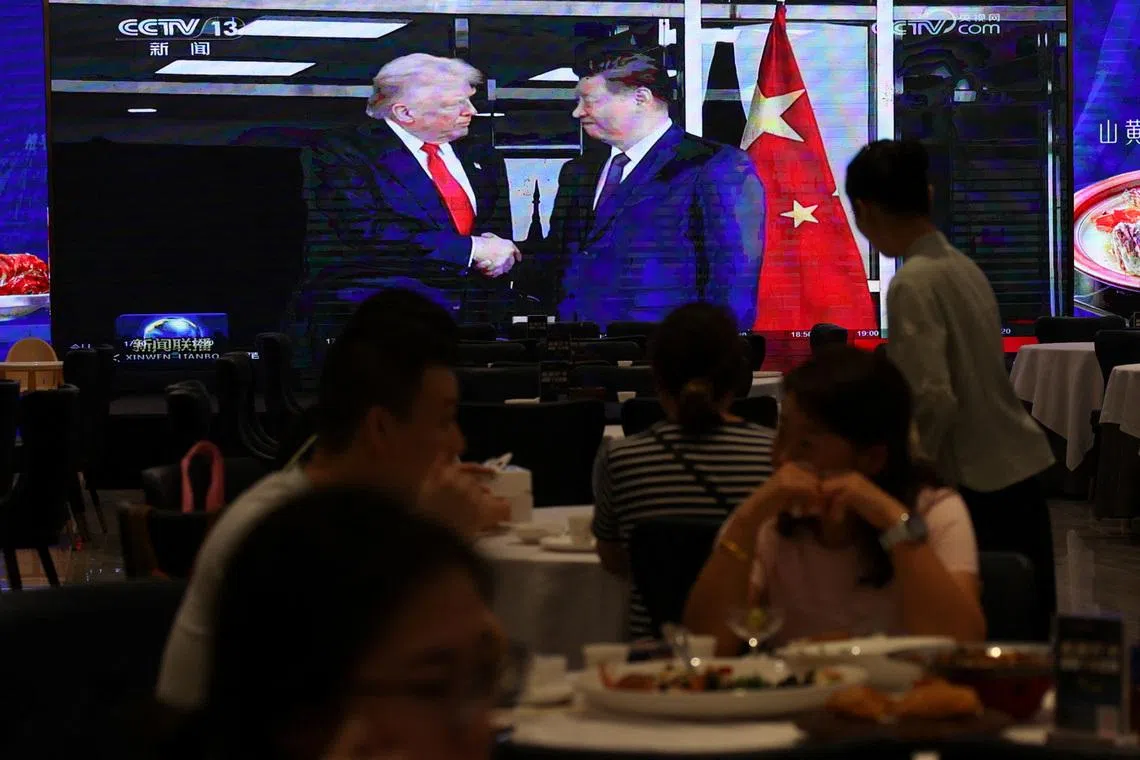
US Treasury Secretary Scott Bessent and Chinese Vice Premier He Lifeng held a video call on April 30, described by both sides as 'candid,' with Bessent publicly calling China's new supply chain rules 'provocative' and He Lifeng expressing 'solemn concern' about US trade measures. Separately, Secretary of State Rubio spoke with Chinese Foreign Minister Wang Yi, who stressed that Taiwan remains the biggest risk to bilateral ties. The calls come 15 days before Trump and Xi are scheduled to meet in Beijing on May 14-15. In recent weeks, Washington sanctioned Hengli Petrochemical for buying Iranian oil, warned Chinese banks about secondary sanctions, and Beijing blocked Meta's $2 billion bid for AI startup Manus while publishing new rules that penalize foreign companies shifting supply chains out of China.
Both sides are building leverage for a summit they both want, which means neither will walk away, but the conversation is happening in the language of threat, not deal. The summit is scheduled; the deal is not.
Prediction Markets
Prices as of 2026-04-30 — the analysis was written against these odds
The Hidden Bet
The Trump-Xi summit is oriented toward a trade deal that reduces tariffs
Neither side is negotiating a tariff reduction. The US is pressing on Iran oil, semiconductor access, and supply chain decoupling. China is pressing back on all three while adding Taiwan as a pre-condition issue. The summit is a relationship management exercise, not a deal-closing meeting. Calling it a deal summit sets expectations that the parties themselves aren't setting.
China's supply chain rules are a negotiating tactic that will be rolled back after the summit
The rules lay legal groundwork for punishing foreign companies that comply with US export controls or shift sourcing away from China. This is structural, not tactical. Beijing's goal is to make decoupling costly for US businesses lobbying in Washington. Even if the summit produces a warm communique, the rules will remain in force.
The Iran oil sanctions pressure will push China to reduce Iranian purchases as a summit concession
China has not meaningfully reduced Iranian oil imports despite months of US secondary sanctions threats. Its private refiners in Shandong are insulated from international finance and do not require dollar clearing. Sanctioning Hengli costs China something, but it is not leverage the US can escalate into a real chokehold before May 14.
The Real Disagreement
The actual fork is whether the US-China relationship is heading toward a managed rivalry with agreed guardrails, or a slow-motion decoupling where each side's pre-summit moves make future integration structurally harder. The managed rivalry argument says both leaders want stability, and the pressure tactics are posturing for domestic audiences. The decoupling argument says every supply chain rule Beijing passes and every sanction Washington issues makes the relationship harder to reverse, regardless of what the leaders say on May 15. The market consensus, reflected in low military-clash odds (6.5%), is that managed rivalry wins. But the pre-summit behavior fits the decoupling pattern better than the guardrails one.
What No One Is Saying
Beijing's new supply chain rules, which penalize foreign companies for complying with US export controls, are not just a trade move. They are an attempt to turn US multinational corporations into a domestic lobby against their own government's China policy. The target audience for the rules is not Chinese companies; it is American CEOs who will call their senators.
Who Pays
US multinationals with China supply chains
Immediate; the rules are already in force
Beijing's new rules create legal exposure for any company that complies with US export controls or shifts sourcing out of China. Companies are now caught between two sovereigns demanding compliance with contradictory rules. The cost of the contradiction falls on them.
Taiwan
Contingent on summit outcome
Wang Yi's explicit statement that Taiwan is the biggest risk signals Beijing intends to raise the stakes on the island at the summit. Any trade deal that reduces tariff pressure on China without a corresponding US commitment on Taiwan arms sales or diplomatic recognition is a concession China will bank.
Iranian economy
Near-term, depending on whether sanctions bite
If US sanctions on Chinese refiners actually reduce China's Iranian oil purchases, Tehran's revenues fall and its leverage in ceasefire negotiations drops. The Iran angle is a back-channel pressure point on multiple simultaneous crises.
Scenarios
Warm summit, cold follow-through
Trump and Xi produce a positive joint statement on May 15. Both sides agree to working groups on trade, technology and Taiwan. Supply chain rules stay in place. Tariffs are not reduced. The relationship stabilizes at the current elevated tension level with managed communication channels.
Signal Joint communique uses language about 'stabilization' and 'dialogue' without specific tariff numbers or semiconductor access commitments
Tech trade breakthrough
The summit produces a narrow deal: the US eases restrictions on H200 chip exports to China in exchange for Beijing reducing purchases of Iranian oil through official channels. Both sides claim a win. The deal is unstable because neither underlying pressure has been resolved.
Signal Bessent mentions semiconductor access as a summit deliverable in the days before May 14, or USTR Greer signals tariff reduction in exchange for specific Chinese market access
Taiwan crisis breaks the summit
A military incident near Taiwan in the 15-day window, or a US arms sale announcement, forces cancellation or dramatic scaling down of the summit. Bilateral relations freeze at current tension levels without the managed communication the summit was intended to provide.
Signal Cancellation of preparatory diplomatic exchanges or a PLA military exercise near Taiwan in the week before May 14
What Would Change This
If Bessent publicly names semiconductor access or tariff reduction as a summit deliverable before May 14, the managed rivalry thesis strengthens significantly. If neither side mentions specific deliverables in public in the run-up, the summit is theater and the decoupling mechanics continue regardless of what the leaders say.