The Free Trade Deal That Isn't Free Anymore
What happened
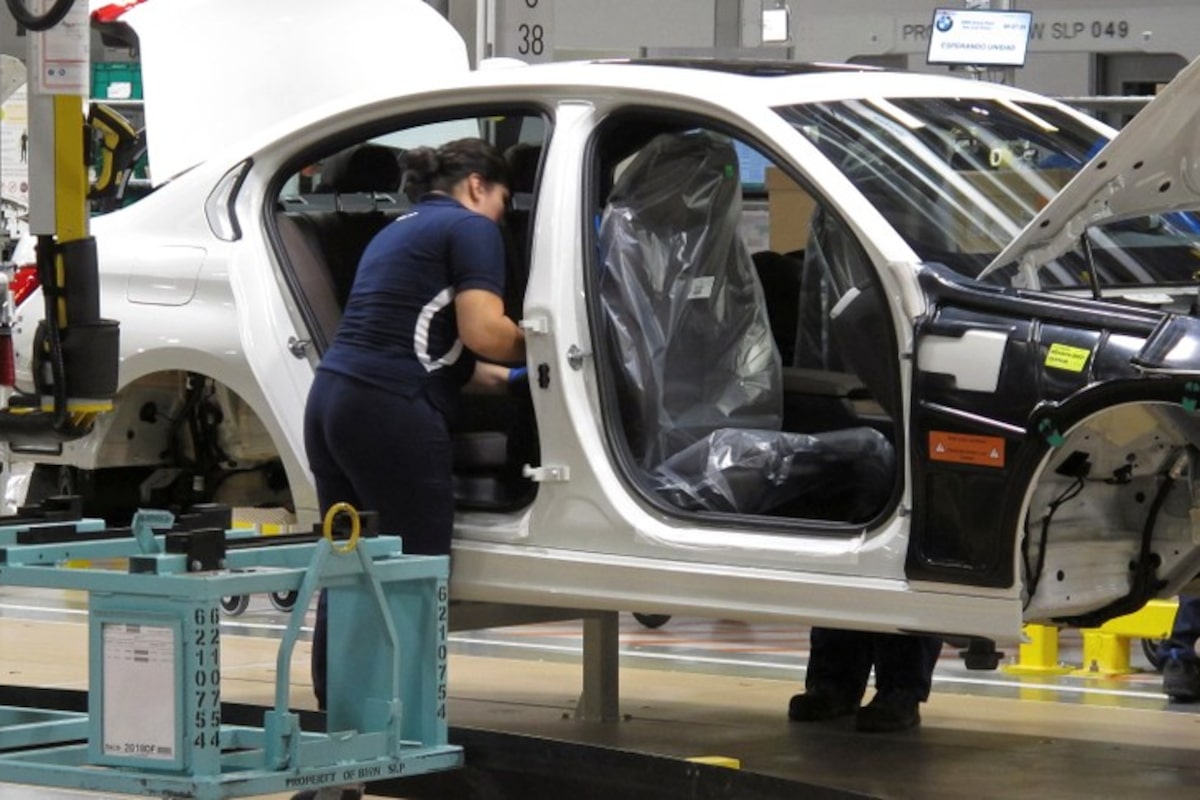
US Trade Representative Jamieson Greer visited Mexico City this week and told industry groups that Trump's tariffs on Mexican steel, aluminum, and automobiles will remain in place even after the USMCA review completes on July 1. Mexican President Claudia Sheinbaum had been pushing for a preliminary deal on those three sectors before the review deadline. Canada's chief trade negotiator Janice Charette separately told a Chamber of Commerce summit that she does not expect all US-Canada disputes to be resolved by July 1, and that talks will likely extend into annual review cycles. The deeper issue driving the review: Chinese-backed manufacturers have built significant production capacity in Mexico to exploit USMCA's preferential access, and the US wants Mexico to close that backdoor as the price of any tariff relief.
The USMCA review is not about renewing a trade deal. It is about whether Mexico will serve as a China bypass or not. Tariff removal is the carrot; the China content rules are the stick.
Prediction Markets
Prices as of 2026-04-23 — the analysis was written against these odds
The Hidden Bet
Mexico can credibly commit to excluding Chinese manufacturers from USMCA benefits.
Chinese investment in Mexico is not a policy choice Mexico can simply reverse. BYD, CATL, and dozens of tier-1 suppliers have already built facilities. Excluding their products from USMCA would require Mexico to impose its own tariffs or content penalties on manufacturing capacity that is already operating inside its borders and employing Mexican workers.
The US will let the USMCA lapse if Mexico doesn't comply.
Terminating USMCA requires six months' notice and would immediately hit US agricultural exports, energy trade, and auto sector supply chains. The US auto industry depends on Mexican parts. The threat of termination is real leverage but mutual destruction. Both sides are bluffing at some level.
A July 1 deal, even a partial one, will reduce tariff uncertainty.
Greer's signals suggest tariffs are permanent features, not negotiating chips. A July 1 agreement that 'renews' USMCA while maintaining tariffs on key sectors gives Mexico a deal with fewer benefits than the original agreement. It is renewal in name only.
The Real Disagreement
The tension is between two models of what a trade deal is for. One view: USMCA exists to integrate North American production into a competitive bloc that can rival China. On this view, Mexican concessions on Chinese investment are the whole point of the review. The other view: USMCA exists to lower costs for North American businesses and consumers through regional free trade, and using it as a China containment tool subordinates its economic logic to a geopolitical one. These are not reconcilable. If you accept the first view, tariffs on allied-country goods are necessary to discipline the alliance. If you accept the second, they are self-defeating. The US auto industry agrees with view two and is lobbying accordingly. The administration agrees with view one.
What No One Is Saying
Mexico's export growth since Trump's first tariffs has been driven partly by companies routing Chinese goods through Mexican assembly. The US knows this. Mexico knows the US knows. The USMCA review is the US trying to get Mexico to formally agree to stop doing something both parties have been pretending wasn't happening.
Who Pays
Mexican autoworkers and steel employees
Starting July 1, if the review produces no tariff relief
Tariffs on Mexican vehicles and steel persist, capping export volume and investment in those sectors. New Chinese-owned plants that cannot qualify for USMCA benefits will operate at a cost disadvantage or relocate.
US auto parts buyers and manufacturers
Ongoing, priced into existing contracts
Tariffs on Mexican steel and auto components increase input costs for US automakers who depend on Mexican supply chains. Those costs are passed to consumers or absorbed as margin compression.
Canadian exporters in tariff-disputed sectors
Through each annual review cycle until 2036
Canada faces the same dynamic: the US is using tariffs as standing pressure rather than negotiating leverage to be removed. Canadian exporters cannot plan around tariff-free access that the US has demonstrated it will revoke.
Scenarios
Conditional Renewal
USMCA is renewed on July 1 with side agreements requiring Mexico to enforce content rules against Chinese-origin inputs. Tariffs on steel and aluminum are partially phased down for USMCA-compliant producers. Chinese manufacturers face penalties that Mexican enforcement agencies lack the capacity to impose.
Signal A joint US-Mexico statement announcing 'enhanced origin verification procedures' alongside USMCA renewal.
Tariff Permanence
USMCA renews but tariffs stay. Mexico accepts because the alternative is worse. Investment uncertainty in the auto sector causes a multi-year slowdown in new plant decisions. Chinese manufacturers begin relocating to Southeast Asia or building out direct export capacity.
Signal No bilateral tariff announcement by August 1, 2026.
Breakdown
Talks fail to produce a joint renewal statement by July 1. USMCA enters a legal gray zone. One party issues a six-month termination notice. Emergency negotiations produce a minimalist framework that preserves most trade flows without resolving the China content dispute.
Signal Mexico's economy minister stating publicly that the July 1 deadline cannot be met without US concessions on tariffs.
What Would Change This
If the US offered a real tariff reduction pathway in exchange for Chinese content compliance, Mexico would have an incentive to actually enforce origin rules. The current structure, tariffs as permanent features unrelated to compliance, gives Mexico no incentive to do anything the US wants on China. Evidence that Mexican enforcement of content rules had materially reduced Chinese transshipment would also change the analysis.