France Spends $53 Billion to Replace the American Guarantee
What happened
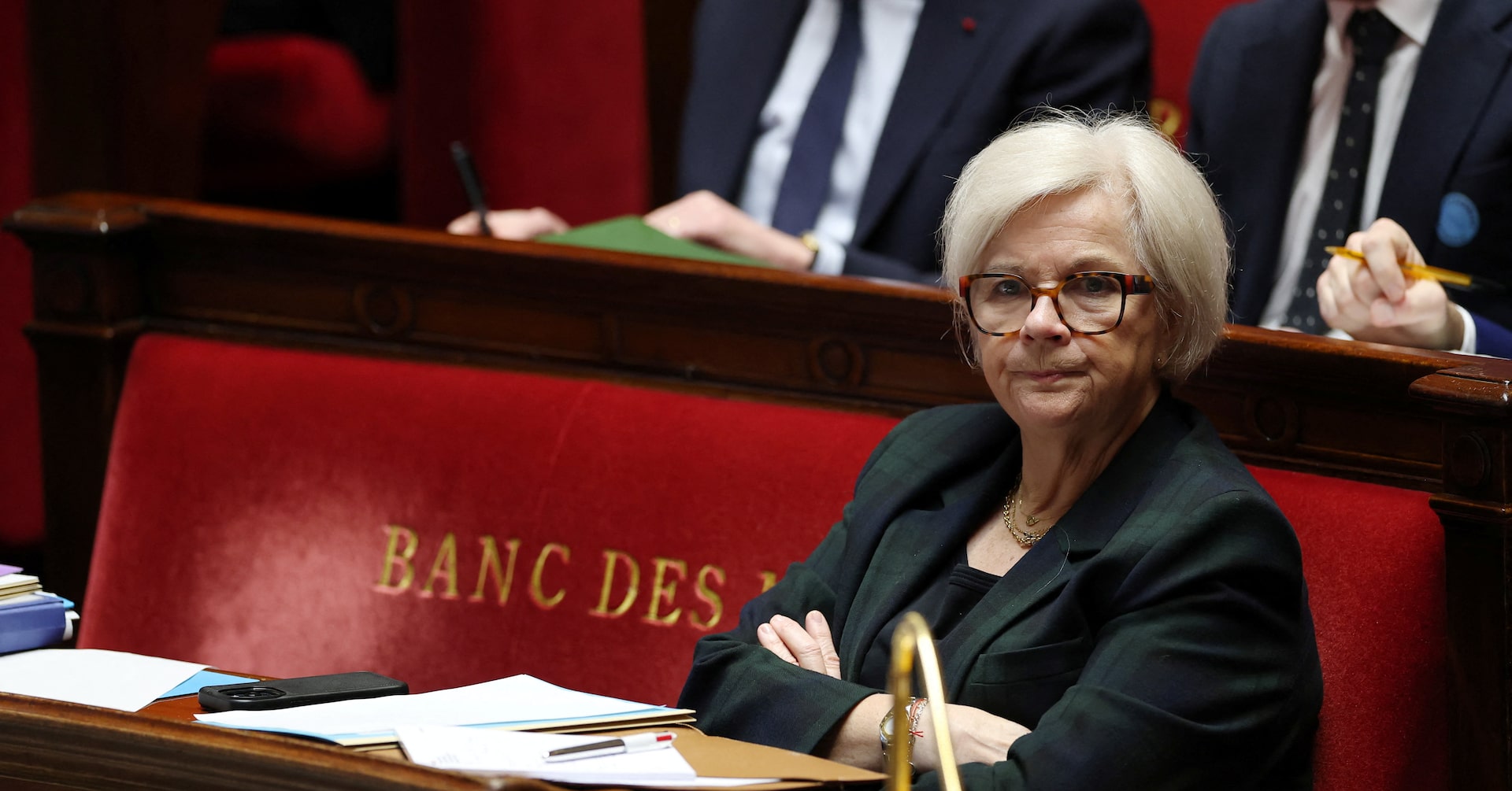
On April 8, France announced a revision to its military programming law adding 36 billion euros ($53.6 billion) to defense spending between now and 2030. The plan expands France's nuclear arsenal, quadruples its kamikaze drone stockpile, and dramatically increases cruise missile and guided bomb reserves. Defense Minister Catherine Vautrin cited a 'deep and brutal shift in the balance of international geopolitics' as the forcing function. The announcement comes after European governments refused to join the US-Israel Iran coalition, and as analysis from Foreign Affairs and Time assess that European defense is reorganizing around France, UK, Germany, and Poland rather than NATO's US-centered command structure.
France is not meeting NATO's 2% GDP requirement. It is building a deterrent posture that would function without the United States. The distinction matters: one is a contribution to a shared alliance, the other is a hedge against that alliance's collapse.
Prediction Markets
Prices as of 2026-04-11 — the analysis was written against these odds
The Hidden Bet
European rearmament strengthens NATO
If France builds a nuclear umbrella it invites other Europeans to shelter under, and Germany, Poland, and the Baltics orient toward Paris rather than Washington, the result is a more capable Europe but a weaker Atlantic alliance. The US may find that the more Europe can defend itself, the less leverage Washington has over European foreign policy decisions.
The spending increase can be sustained given France's deficit
France has one of the eurozone's largest budget deficits. The 36 billion euro addition is politically announced but not yet funded. Germany is in a similar position. The rearmament announcements are partly political signaling; actual procurement contracts tell a different story and typically arrive years later.
The Iran war refusal was about the specific conflict, not a structural shift
Europe's refusal to join the Iran coalition reflects the same underlying calculation as its refusal to follow Trump on trade: a deliberate decoupling of European strategic interests from American strategic priorities. This is not a one-time disagreement. It is a pattern that has been accelerating since 2025.
The Real Disagreement
The real fork is whether Europe is building capacity to fight Russia without the US, or building capacity to negotiate with Russia without the US. If France's nuclear expansion is about deterring Russian aggression, the spending is defensive and alliance-compatible. If it is about giving France the autonomous capability to cut a deal with Moscow over Ukraine without American oversight, it is something more disruptive. Macron's track record includes both: he has been the most hawkish European voice on Ukraine support while simultaneously pursuing back-channel communication with Putin. The nuclear expansion could serve either strategy, and France has not clarified which one it is choosing.
What No One Is Saying
A nuclear-armed France that can defend the continent independently no longer needs to ask permission from Washington to act. The real threat to American influence in Europe is not Russian aggression but European competence. The more successful this rearmament is, the less leverage the US has over French and European foreign policy.
Who Pays
French taxpayers
Phased through 2030, but budget pressure begins immediately in 2026 appropriations
The 36 billion euro addition is proposed despite an ongoing fiscal consolidation pressure from the EU and French bond markets. Defense spending crowding out social and infrastructure spending in a country already under fiscal stress.
US defense contractors
Medium to long-term, as procurement contracts route toward European producers
A Europe that builds its own drone stocks, missile reserves, and eventually its own chips has less need for American hardware. The long-term market for F-35s and US-made munitions in Europe shrinks as European industrial alternatives scale.
Ukraine
Ongoing, most visible in annual aid budget negotiations
A Europe focused on its own rearmament and deterrence may have less political and financial bandwidth for Ukraine support. French and German public support for Ukraine aid has not increased in proportion to defense budget increases; the two are in competition for the same political capital.
Scenarios
Autonomous pillar
France's spending creates a credible European deterrent by 2029. Germany and Poland follow with comparable commitments. NATO becomes a coordination mechanism rather than a defense guarantee. The US remains a member but European defense no longer depends on US decisions.
Signal Germany announces a comparable revision to its own military planning law within 6 months of France's announcement.
Announcement without execution
The 36 billion euro plan faces budget pressure, procurement delays, and coalition politics. France announces the spending but actual contract awards lag by 2-3 years. The deterrent posture is real on paper but not in warehouses.
Signal French defense industrial output does not increase in 2026 despite the planning law revision.
Atlantic rupture
A second major US-Europe disagreement over military action (Iran escalation, Taiwan, or another theater) triggers France to formally propose a European security structure that explicitly does not require US approval for activation. NATO formally survives but is operationally bypassed.
Signal France, Germany, UK, and Poland hold a joint defense council meeting that excludes US participation.
What Would Change This
If the US explicitly renewed its Article 5 commitment and deployed additional forces to Eastern Europe in a way that reduced the security calculus forcing French autonomy, the rearmament would shift back toward NATO burden-sharing rather than independent deterrence. No such signal has come from Washington.
Related
France Is Offering Poland a Nuclear Umbrella the US Won't Confirm It Still Holds
powerAlliance Without a War
conflictEurope Just Had Its Biggest Military Spending Surge Since 1953. It Is Not Enough and Everyone Knows It.
powerMacron Is Offering Poland a Nuclear Umbrella. France Still Controls the Button.