184 Sanctioned Russian Ships Passed Through UK Waters. None Were Boarded.
What happened
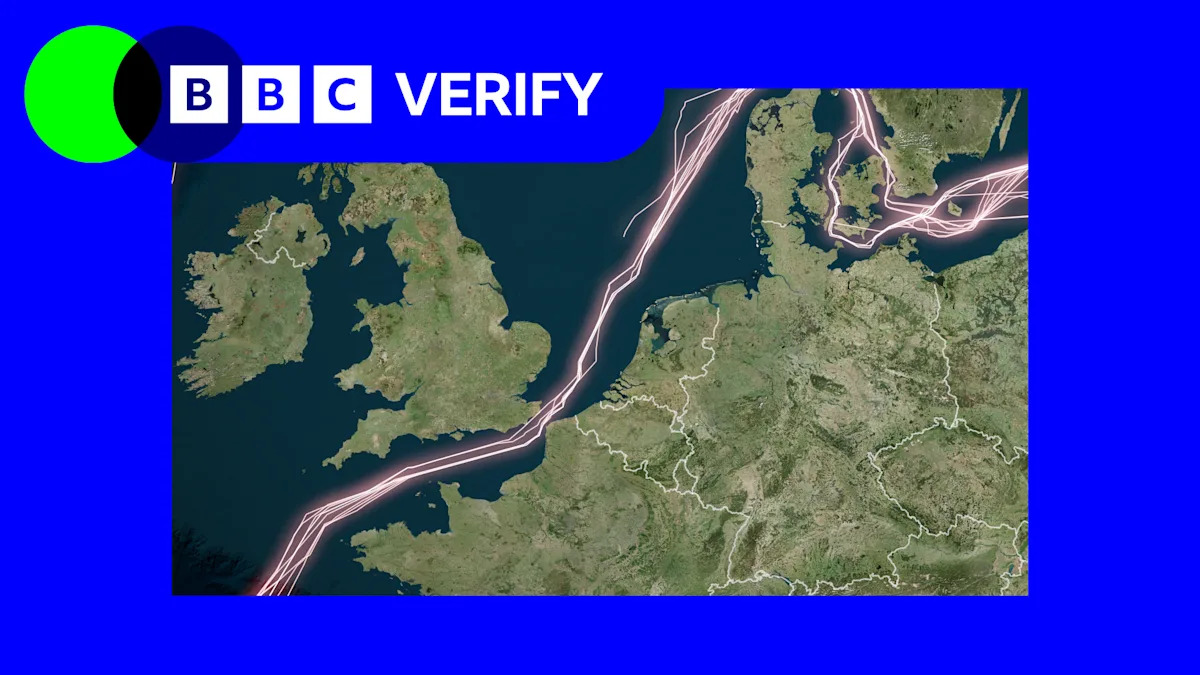
BBC Verify tracked 184 UK-sanctioned Russian shadow fleet vessels making 238 journeys through UK waters between March 25 and May 11, 2026. In at least 94 instances, ships entered UK territorial waters, the zone where UK boarding policy is supposed to apply. The UK Ministry of Defence declined to confirm any boardings, saying only it was 'disrupting and deterring' the fleet. One sanctioned tanker, the Universal, was escorted through the Channel by what satellite analysts identified as Russian frigate Admiral Grigorovich. Former Royal Navy commander Tom Sharpe called the lack of action 'pathetic.' A shipping lawyer told BBC that the policy may be legally unenforceable as written, because international maritime law prohibits boarding ships flying a legitimate flag without specific grounds.
The UK announced a policy it cannot legally implement, against a fleet Russia is now willing to escort with warships, while claiming credit for 700 ships 'challenged' without saying what that means.
The Hidden Bet
The UK policy is failing due to political will or operational capacity
The shipping lawyer interviewed by BBC is more likely right: the policy was announced without adequate legal grounding. Under UNCLOS, a coastal state cannot board a ship under a legitimate flag in international waters except in narrowly defined circumstances. Russia ensures its tankers fly legitimate flags. The UK built a policy with no legal handle.
'Disrupting and deterring' is diplomatic language for real covert action
The MoD's refusal to answer a direct yes/no question about boardings is the tell. A government conducting successful covert boardings does not need to conceal them from the public; it would announce results without details. Silence about a binary question almost certainly means the answer is no.
Some ships rerouting through Scotland and Ireland means the policy is working
The 184 ships that did not reroute transited UK waters with impunity. Rerouting adds cost but does not stop oil delivery. Russia is not deterred from delivering oil; some ships are taking longer routes. That is the entire effect.
The Real Disagreement
The actual fork: the UK is trying to signal toughness on Russia without triggering a confrontation it does not have the legal authority or political bandwidth to sustain. The alternative is either doing nothing (honest but embarrassing) or creating the legal framework for actual enforcement (which risks Russian escalation and requires allied coordination). Starmer chose the third option: announce a policy with no mechanism, and call it deterrence. I think this is worse than honesty because it tells Russia exactly how far it can push.
What No One Is Saying
Russia escorting a sanctioned tanker through the English Channel with a naval frigate was not a logistical decision. It was a message: we know you will not board us. The UK's response was to say it is 'disrupting and deterring.' Russia now knows that a public test of UK resolve produces only a press statement.
Who Pays
Ukraine
Ongoing, with each completed tanker voyage
Shadow fleet oil revenues fund Russian military operations. Every journey that completes unimpeded is cash for the Russian defense budget. The UK's non-enforcement extends the financial runway of the war.
UK government
Accumulates as the gap becomes publicly documented
The credibility gap between announcement and action erodes UK standing on Russian sanctions enforcement with allies. Partners who considered similar interception measures now have a data point that suggests such policies do not hold under pressure.
Companies providing insurance and financial services to shadow fleet vessels
Medium-term, as legal opinions on UK compliance risk circulate
The UK's announced policy, even if unenforceable, creates legal uncertainty for legitimate UK-based shipping insurers. Some may withdraw services out of compliance risk, even if no actual enforcement occurs.
Scenarios
Policy quietly scales back
The UK stops making announcements about shadow fleet interception, lets the policy recede, and pivots to financial sanctions as the enforcement mechanism. The gap between announcement and action is never officially acknowledged.
Signal No new public statements about boarding authority; next press release focuses on financial sanctions packages instead
Legal framework built
The UK drafts new secondary legislation or treaty-based arrangements that create a legal handle for enforcement. Implementation takes six to twelve months. Enforcement begins under a new, more defensible authority.
Signal Attorney General or Ministry of Defence publishes a formal legal opinion on maritime interception authority
Incident forces the issue
A shadow fleet tanker causes an environmental disaster in UK waters, oil spill or collision with a UK vessel. Political pressure forces actual enforcement. Russia tests the response with another frigate escort.
Signal Major incident reported in UK territorial waters involving a ship on the sanctions list
What Would Change This
If Russia's Admiral Grigorovich escort were documented as a deliberate provocation rather than incidental navigation, allied pressure on the UK to respond would intensify. The current ambiguity is politically convenient for London.
Related
The EU's 20th Sanctions Package Still Pays Russia to Run a Nuclear Power Plant in Ukraine
powerHungary's Veto Ended the Moment Its Oil Came Back On
powerThe EU's Toughest Russia Sanctions Required Letting Russian Oil Flow First
conflictEurope Just Had Its Biggest Military Spending Surge Since 1953. It Is Not Enough and Everyone Knows It.