The EU's Toughest Russia Sanctions Required Letting Russian Oil Flow First
What happened
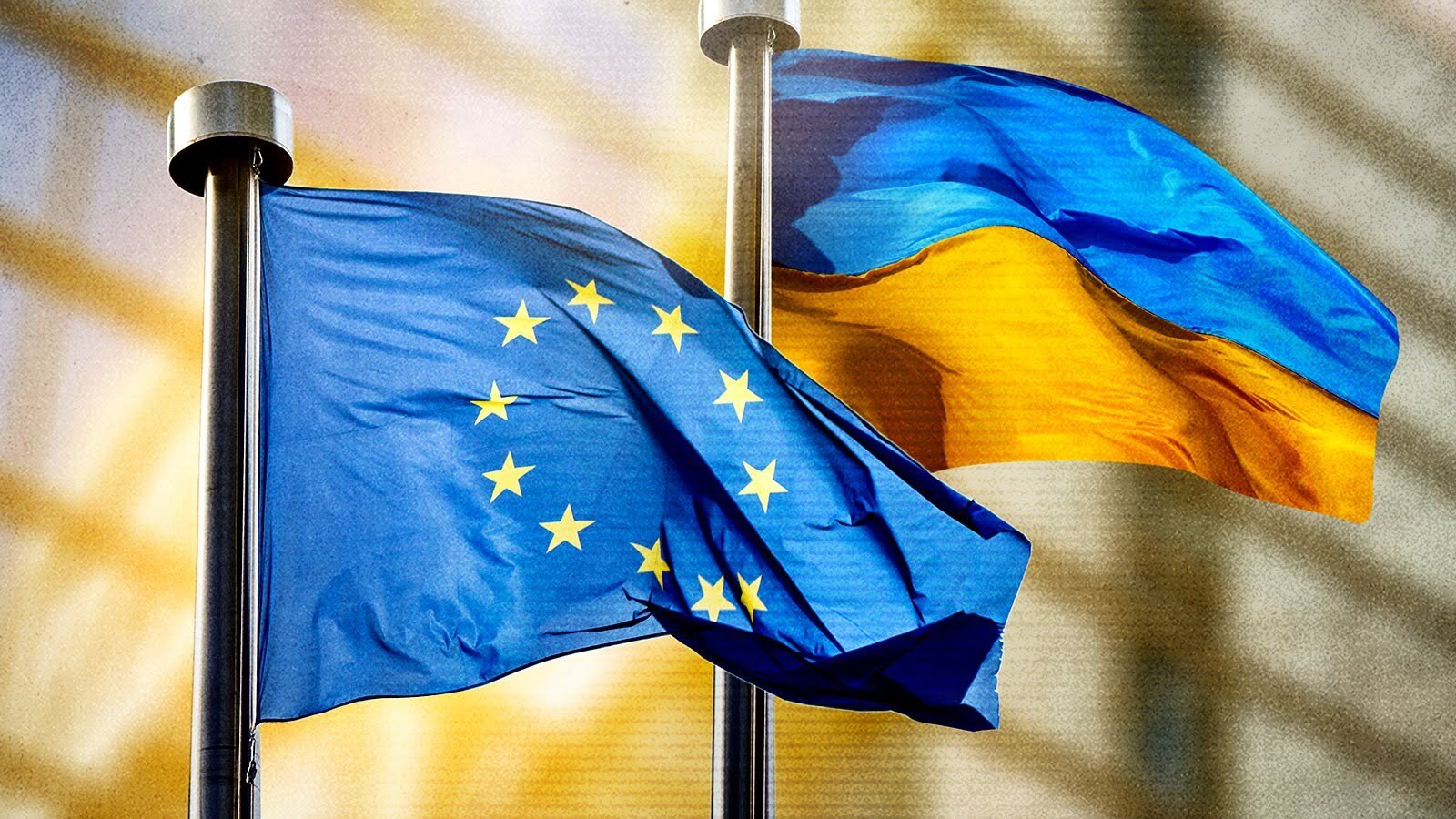
The European Council approved its 20th package of Russia sanctions on April 23, after months of delay caused by Hungary and Slovakia blocking consensus. The package imposes transaction bans on 20 Russian banks, blacklists 46 more shadow fleet tankers (bringing the EU total to 632), targets seven Russian oil refineries, bans EU companies from selling tankers to Russia, and restricts cryptocurrency transactions including the RUBx stablecoin and Russia's planned digital ruble. It also deploys for the first time an anti-circumvention tool that bans EU exports of certain goods to Kyrgyzstan directly, citing its systematic failure to prevent re-export to Russia. The EU simultaneously approved a stalled 90 billion euro loan to Ukraine. Hungary and Slovakia agreed to the package only after Ukraine reopened the Druzhba pipeline, allowing Russian crude to flow through Ukrainian territory to Hungarian and Slovak refineries.
Europe's strongest Russia sanctions package in two years was purchased by allowing Russian oil to flow through Ukraine. The pipeline is not leverage against Moscow. It is leverage against Brussels.
The Hidden Bet
The EU's maritime oil ban will take effect soon
Kharon's reporting notes that EU envoys specifically held off implementing the maritime oil service ban pending G7 coordination. The US recently extended its own suspension of sanctions on Russian oil amid the Iran war. That means the US is currently aligned with Russia on oil price stability, and G7 coordination may not happen before the ceasefire timeline shifts again.
Targeting Kyrgyzstan will slow CNC machine and telecom re-exports to Russia
Kyrgyzstan's president just met Putin in Moscow. The EU has been trying to pressure Central Asian intermediaries since 2022. Kyrgyzstan has repeatedly found new routing mechanisms. Blocking two categories of goods creates compliance theater while other circumvention routes remain open.
The 90 billion euro loan strengthens Ukraine's negotiating position
The loan is contingent on Russian frozen asset income as a partial repayment mechanism, and the EU has reserved the right to revisit full expropriation. If peace talks begin before the asset issue is resolved, the loan becomes a liability: Ukraine will owe money that its allies may demand back from Russian assets that diplomacy constrains them from seizing.
The Real Disagreement
The real tension is between sanctions designed to hurt Russia's war machine and sanctions designed to avoid disrupting Europe's energy supply. Every measure that targets Russian oil comes with a carve-out or a delay until others agree. Every measure that threatens European refineries dependent on Russian crude gets blocked by Hungary and Slovakia until they are bought off with pipeline access. The two goals are not compatible: sustained maximum economic pressure on Russia would require European countries to accept energy costs they have already demonstrated they will not accept. The sanctions regime is calibrated to the most reluctant member, not the most resolved one.
What No One Is Saying
Ukraine reopened the Druzhba pipeline, which carries Russian crude through its territory, in order to break Hungary's veto on EU sanctions against Russia. Ukraine is literally transporting Russian war revenue to unlock European financial support. The money flowing through the pipeline funds the same military that is shelling Ukrainian cities. Neither the EU nor Ukraine can say this plainly.
Who Pays
Kyrgyz businesses in CNC and telecom
Immediate on implementation
EU ban on exports of these categories to Kyrgyzstan affects the entire country, not just sanctioned re-exporters. Legitimate Kyrgyz manufacturers and technology importers face collateral trade disruption.
European shipping insurers and maritime service companies
When G7 coordination occurs, likely 3-6 months
The eventual maritime oil ban will force them to stop servicing shadow fleet tankers globally, which creates legal exposure for any current relationships and potential losses on existing contracts.
Ukraine
Ongoing
Keeping Druzhba open generates transit fees but also allows Russia to fund its military through oil revenue routed through Ukrainian infrastructure. Ukraine gets a cut of the revenue it is helping Russia earn.
Scenarios
G7 Breaks the Deadlock
The US ends its suspension of Russia oil sanctions as the Iran war cools and the Hormuz situation stabilizes. G7 coordination allows the EU maritime oil ban to take effect, cutting off the remaining service layer for the shadow fleet.
Signal US Commerce Department announces reinstatement of Russian oil sanctions within 90 days
Orban's Next Veto
Hungary uses Package 21 negotiations as leverage for new concessions, possibly related to EU funds withheld from Budapest or NATO burden-sharing disputes. The pattern repeats.
Signal Hungary signals objections to Package 21 within 60 days of Package 20 adoption
Kyrgyzstan Escalation
Kyrgyzstan challenges the anti-circumvention tool diplomatically, Russia reroutes through another Central Asian partner, and the EU escalates to a second third-country, creating a precedent for extraterritorial sanctions enforcement.
Signal Kyrgyzstan files a WTO complaint or requests SCO mediation within 6 months
What Would Change This
If US sanctions on Russian oil are reinstated before the G7 Summit in June, the maritime oil ban becomes enforceable and Package 20 becomes genuinely consequential. If US sanctions remain suspended through the summer, Package 20 is the most elaborate way the EU has ever said it cannot afford its own commitments.
Related
Russia's Oil Unlocks Europe's Money for Ukraine
powerHungary's Veto Ended the Moment Its Oil Came Back On
powerHungary's New Government Drops the Veto. Now the EU Finds Out Whether Orbán Was the Problem or the Excuse.
powerThe EU's 20th Sanctions Package Still Pays Russia to Run a Nuclear Power Plant in Ukraine