Russia's Oil Unlocks Europe's Money for Ukraine
What happened
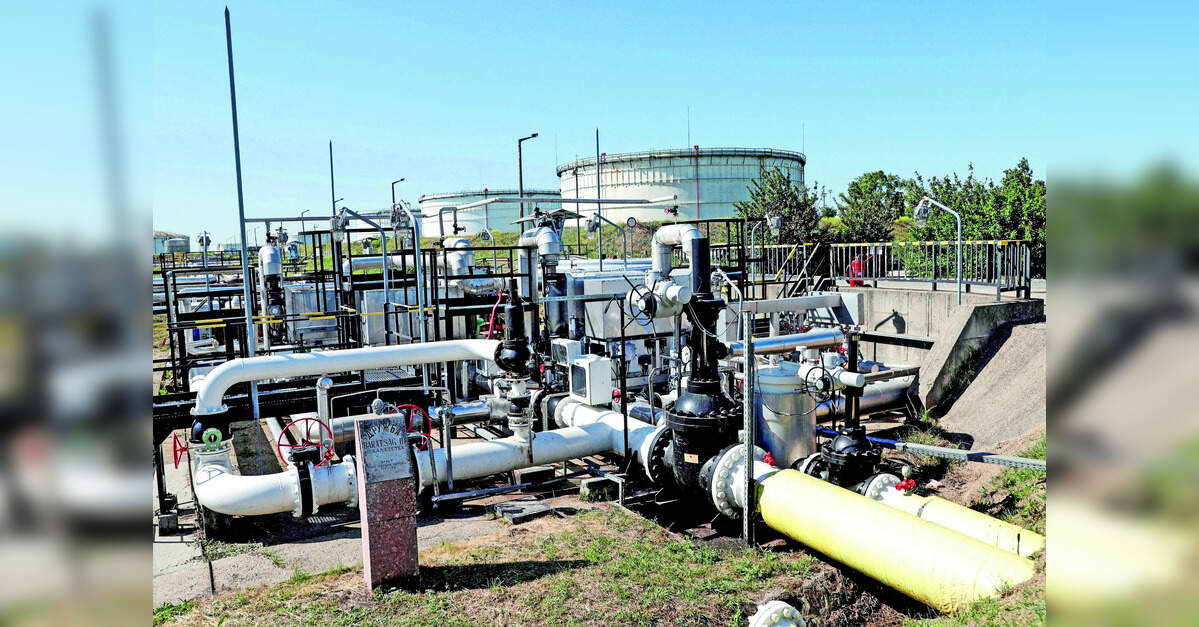
Russian crude oil resumed flowing through the Ukrainian section of the Druzhba pipeline on April 23, the first time in months after a Russian drone strike had damaged the pipeline in western Ukraine. The restart came hours after Orban's government lost Hungary's parliamentary election on April 12, with incoming Prime Minister Peter Magyar having indicated he would drop Hungary's veto on EU funds for Kyiv. EU ambassadors approved a 90 billion euro ($105 billion) loan to Ukraine within minutes of pumping resuming. Both Hungary and Slovakia had blocked the loan, accusing Ukraine of delaying pipeline repairs that Kyiv denied. The loan is needed to maintain Ukraine's government liquidity through 2026 and 2027.
Ukraine just used Russian oil as a diplomatic instrument to extract $105 billion from Europe. The 'enemy's' pipeline running through its territory is worth more as leverage than as sabotage. This is the real nature of infrastructure warfare: control of the pipe beats control of the battlefield.
The Hidden Bet
This pipeline deal represents a step toward normalizing Russian energy flows in Europe
The deal was enabled by Orban losing power. The incoming Hungarian government will face pressure from Brussels to accelerate the transition away from Russian energy. The Druzhba restart is a one-time unlock to release the EU loan, not a policy reversal. Sanctions still limit the pipeline's capacity to a fraction of its potential, and Western infrastructure alternatives are being built in parallel. The deal buys Ukraine money without giving Russia a sustainable revenue stream.
The EU loan secures Ukraine's finances through 2027
The loan is denominated in euros but Ukraine is paying war costs in dollars and hryvnia. Currency mismatch and inflation mean the real value of the loan erodes with time. Ukraine's civilian infrastructure is under sustained attack. The loan covers government liquidity, not reconstruction or military spending. If the war continues through 2027, another financing gap opens immediately after this one closes.
Orban's departure eliminates Hungary as the EU's main obstruction point
Peter Magyar will not take power until next month. Until then, Orban is still in office and can take actions during the transition. More importantly, Slovakia's government has also been blocking EU support for Ukraine. Slovakia did not have an election. Its veto has not been resolved by this deal; it was temporarily overcome by the pipeline restart, which Slovakia also needed. Slovakia's blocking power on future EU decisions remains intact.
The Real Disagreement
The central tension here is between two propositions that have been treated as compatible but may not be: sanctioning Russia while depending on Russian energy infrastructure that runs through a country Russia is simultaneously attacking. The EU has been living this contradiction for over three years. The Druzhba restart exposes it again: Hungary and Slovakia refused to fund Ukraine's defense because they needed Russian oil, and Ukraine repaired the pipeline that delivers Russian oil to Hungary and Slovakia in order to get funding for its defense. The pipeline is simultaneously the target of Russian attack, the property of a Russian company, and the unlock code for Western financial support for Ukraine. No party to this arrangement can say out loud what it actually is: a ceasefire-within-the-war about energy infrastructure, where destroying the pipe would hurt everyone including Ukraine.
What No One Is Saying
Ukraine repaired the Druzhba pipeline. Ukraine controls the flow of Russian oil to Russia's most sympathetic EU allies. Ukraine's government made the strategic decision to restart this flow specifically to unlock EU money. In other words, Ukraine is using Russia's oil exports as a diplomatic instrument. This is sophisticated statecraft. It is also completely unreportable in Western media because the headline 'Ukraine helps Russia sell oil to EU allies' is politically impossible even if it is strategically correct.
Who Pays
EU member states that have made genuine progress on energy independence
Medium-term, through next EU energy transition review
Germany, Poland, and the Baltic states have spent billions accelerating LNG terminal construction, renewable buildout, and interconnections specifically to end dependence on Russian energy. The Druzhba restart gives the energy-dependent hold-outs Hungary and Slovakia a reason to delay their own transitions, because the pipeline is back. Countries that paid the transition costs now watch the free riders get bailed out.
Ukraine's reconstruction funders
Post-war, long-term
The $105B loan is sovereign debt. Ukraine will need to repay or restructure it. Every loan that maintains government liquidity during the war is a loan that pushes reconstruction financing into the future. Ukraine's sovereign debt load is growing faster than any post-war reconstruction program can service.
Russia
Immediate
The Druzhba pipeline flowing means Russia receives transit fees and oil revenue from Hungary and Slovakia, two of the most Russia-sympathetic EU governments. This partially offsets the economic pressure of sanctions. It also means Russia has incentive not to destroy the pipeline again, because that would remove the only route by which it can sell oil to Europe legally.
Scenarios
Loan deployed, Ukraine stabilizes
EU formally approves the loan by end of April. Ukraine's government budget is funded through 2027. Pipeline flows continue. Hungarian new government maintains a less obstructionist posture on future EU Ukraine support.
Signal EU member states sign off on the loan by April 24 and first tranche is disbursed within 30 days.
Pipeline attacked again, loan stalls
Russian drone or missile strike re-damages the Druzhba pipeline in western Ukraine before the loan is formally released. Slovakia renews its veto. EU loan disbursement delays by months. Ukraine's liquidity position deteriorates.
Signal Ukrainian officials report new pipeline damage within two weeks of the restart.
Slovakia escalates its own veto
Even with Hungary unblocked, Slovakia's prime minister Robert Fico, a consistent Russia sympathizer, finds new conditions to attach to loan approval. EU must seek a qualified majority workaround or negotiate separately with Bratislava.
Signal Slovakia's foreign ministry issues a new list of conditions for approving the loan within 48 hours of the pipeline restart.
What Would Change This
If the incoming Hungarian government explicitly abandons energy dependence on Druzhba as a stated policy goal and starts the pipeline termination process, the leverage dynamic inverts. Ukraine loses the pipeline as a negotiating tool and Hungary loses its veto power on EU Ukraine support simultaneously. That would actually be better for Ukraine's long-term position but worse for its immediate cash needs.
Related
Hungary's New Government Drops the Veto. Now the EU Finds Out Whether Orbán Was the Problem or the Excuse.
powerThe EU's Toughest Russia Sanctions Required Letting Russian Oil Flow First
conflictThe EU Unlocked $106 Billion for Ukraine. The Price Was Letting Russian Oil Flow Again.
powerHungary's Veto Ended the Moment Its Oil Came Back On