Both Sides Declared a Ceasefire. Both Sides Violated It. Now They're Doing It Again.
What happened
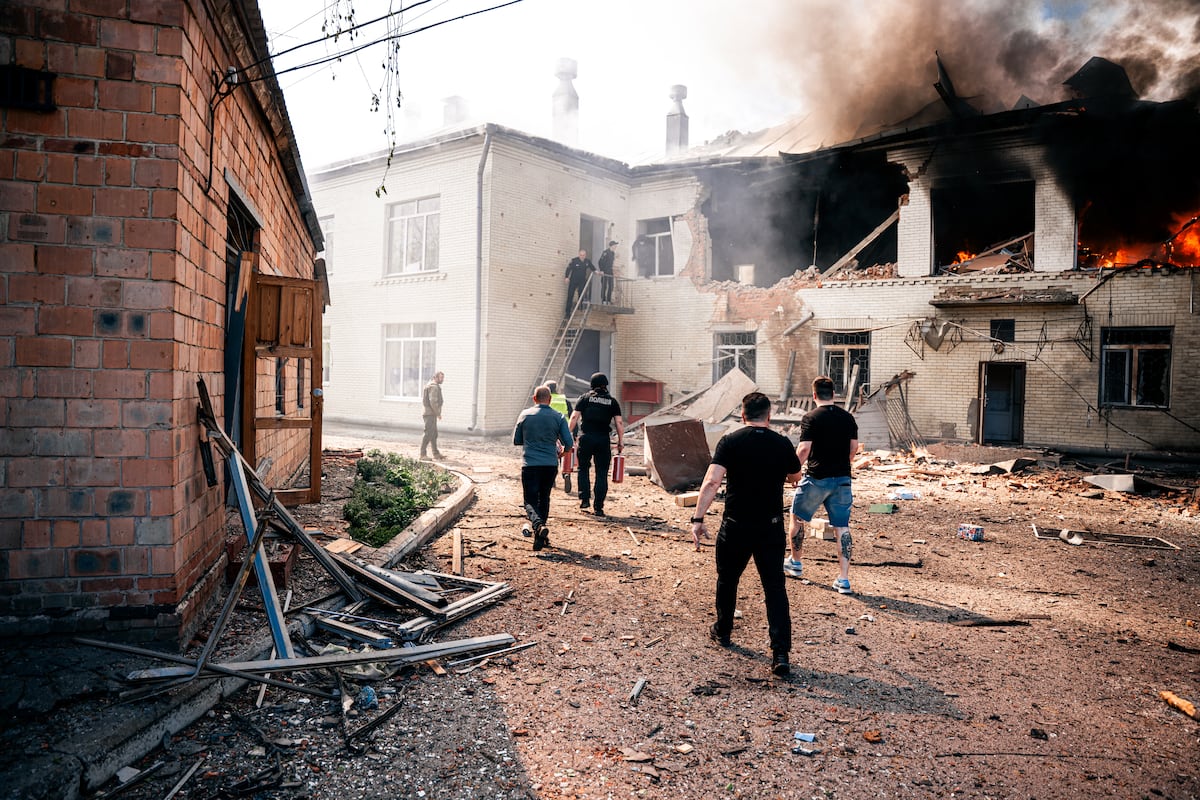
Ukraine announced a unilateral ceasefire starting midnight May 5-6, which Russia immediately violated with 108 combat drones and missile strikes on Kharkiv, Kyiv, and other cities. Russia then accused Ukraine of violating the ceasefire and announced its own two-day truce for May 8-9 surrounding Victory Day. Ukraine launched a retaliatory drone campaign hitting 20 Russian regions overnight, including intercepted drones near Moscow. As of May 7, both sides have declared ceasefires, both have violated them, and both are preparing for further escalation around May 9.
These ceasefires are not offers of peace. They are claims of moral authority manufactured for domestic audiences and foreign mediators, with neither side willing to stop fighting and both needing to be seen as having tried.
Prediction Markets
Prices as of 2026-05-07 — the analysis was written against these odds
The Hidden Bet
A ceasefire announcement reflects a genuine, if temporary, intention to halt fighting.
The sequence of events shows that both sides announced ceasefires while simultaneously launching strikes. The announcements are diplomatic instruments, not operational orders. The military commands may not be required to comply.
The dueling ceasefires are a precursor to a broader negotiated pause.
Polymarket prices a ceasefire by May 31 at only 4% probability. The pattern of announcement-violation-accusation has repeated at least twice in a week. Each cycle makes the next announcement less credible, not more.
US mediation is driving this ceasefire diplomacy.
Kremlin spokesman Peskov noted that American negotiators are 'focused on the American track' as Trump's Beijing summit takes priority. The ceasefire announcements may be happening largely without US coordination, reducing the chance that any breach has consequences.
The Real Disagreement
The core fork is between treating these ceasefires as diplomatic building blocks, where breaking one is a serious setback, and treating them as information operations, where the announcement matters more than compliance. If you take the first view, the current situation is a near-total failure of the peace process. If you take the second, the situation is perfectly coherent: both sides are competing to appear reasonable while continuing to fight. The second view fits the evidence better. The problem is that saying so out loud removes any incentive for either side to ever actually stop. There is no clean answer here. The least bad approach is to treat the announcements as signals of what each side wants the international audience to believe, and pressure them on the gap between words and actions. That means more pressure on Russia, whose violations came first and at larger scale.
What No One Is Saying
The Victory Day ceasefire is primarily a security measure for Putin's parade, not a humanitarian gesture. Russia needs its troops not to be engaged in active combat operations on May 9 so that the parade proceeds without an incident it cannot explain domestically. Ukraine's drone campaign targeting Moscow the day before is a direct attempt to complicate that calculus, not a peace overture.
Who Pays
Ukrainian civilians in Kharkiv, Kyiv, and Odesa
Immediate and ongoing
Ongoing Russian strikes during the nominal ceasefire period hit infrastructure and residential areas. The diplomatic theater around ceasefires creates political noise that delays harder pressure on Russia.
US mediators and the Trump-Xi summit agenda
Within weeks
The collapse of ceasefire attempts forces the US to address Ukraine again at a moment when Washington is focused on the Iran deal and the Beijing summit. Each failed ceasefire raises the political cost of the next US diplomatic intervention.
European governments facing domestic fatigue
Medium-term, before EU budget review in autumn
Each ceasefire collapse strengthens the political argument that the war cannot be ended diplomatically, making open-ended military support harder to sustain politically.
Scenarios
Theater continues
Both sides observe partial quiet on May 8-9 for operational reasons, neither side acknowledges the other's ceasefire, and fighting resumes at full pace on May 10. The diplomatic track produces nothing new.
Signal No prisoner exchange is announced and neither side issues a joint statement. Strikes resume within 24 hours of May 9.
Escalation breaks the ritual
A Ukrainian drone reaches the Victory Day parade route or a Russian strike causes mass civilian casualties during the announced truce, forcing a sharp international response.
Signal Emergency UN Security Council session called; unusual silence from US and Chinese governments on the incident.
Accidental opening
The quiet of May 8-9 is used as a back channel for prisoner exchanges that generate goodwill, creating the minimum political capital needed to schedule direct talks.
Signal Both sides confirm a prisoner exchange of more than 100 people with no conditions attached.
What Would Change This
Evidence that either side gave operational orders to halt fire that were actually obeyed, combined with a prisoner exchange, would suggest these ceasefires are building something real. Absent that, they are noise.