Two Countries, Two Ceasefires, Zero Agreement
What happened
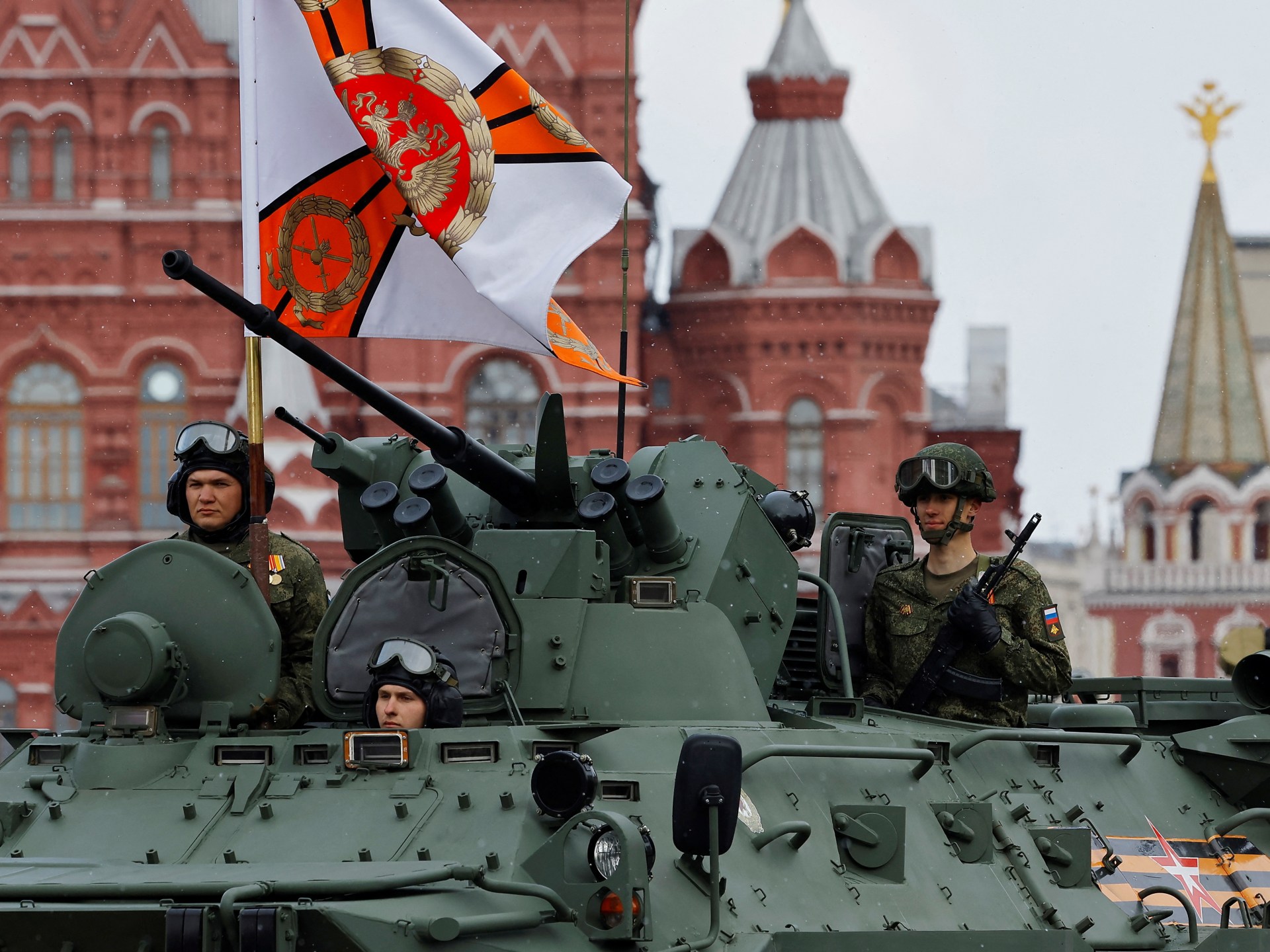
Russia's Defense Ministry declared a unilateral ceasefire in Ukraine for May 8-9, the dates of its Victory Day commemoration marking the 81st anniversary of Nazi Germany's defeat. Ukraine's President Zelensky responded by announcing Ukraine's own ceasefire beginning at midnight May 5-6, three days earlier than Russia's window. Zelensky said he had received no official notice of Russia's ceasefire and challenged Putin to match Ukraine's earlier timeline. Russia threatened a 'massive' missile strike on the center of Kyiv if Ukraine disrupted Victory Day festivities. Putin had first floated the ceasefire idea in a phone call with Trump the previous week, and Russia notably announced it would not display military equipment at its Moscow parade, which observers read as a concession to Ukraine's drone and missile capabilities.
Both sides are offering ceasefires they know the other cannot accept on its terms. The real audience is Trump, not each other.
Prediction Markets
Prices as of 2026-05-05 — the analysis was written against these odds
The Hidden Bet
A ceasefire, even a temporary one, creates momentum toward a larger peace deal.
A 48-hour tactical pause baked into a symbolic Russian holiday provides no verification mechanism, no territorial status change, and no framework for what comes after. Russia used ceasefires in earlier conflicts to regroup and rearm. A two-day pause that collapses on May 10 may harden both sides' positions rather than soften them.
Zelensky's counter-ceasefire was a good-faith peace gesture.
Proposing a ceasefire that starts three days before Russia's and requires Russia to act in a window Russia didn't offer is a positioning move. If Russia rejects it, Zelensky looks cooperative and Putin looks intransigent. If Russia accepts, Ukraine gains three extra days of silence it didn't bargain for. It's a no-lose public relations play dressed up as a peace offer.
Russia's decision to omit military hardware from the Victory Day parade reflects a genuine desire to de-escalate.
The more obvious read is that Russian military leadership told Putin that displaying hardware in Moscow creates real targeting opportunities, and the ISW intelligence report about Putin's personal security concerns supports this. The parade decision is defensive, not conciliatory.
The Real Disagreement
The real fork is about what a ceasefire without a peace framework actually accomplishes. Ukraine's position, consistently, is that any halt to fighting that preserves Russia's current territorial gains is a de facto acceptance of those gains, and that a ceasefire without security guarantees is worse than continued fighting because it lets Russia lock in occupied territory while rearming. Russia's position is that any ceasefire that doesn't address its core demands, including no NATO membership for Ukraine, is just a pause before the next phase. Trump wants to call something a deal. These three goals are not reconcilable in the near term. I'd lean toward Ukraine's read: a ceasefire that doesn't include territorial and security frameworks is a trap, and Zelensky's counter-move shows he knows it. What he's giving up is the narrative advantage of refusing any ceasefire.
What No One Is Saying
Russia not showing military hardware at its own Victory Day parade, after four years of using that parade as a demonstration of strength, is an intelligence victory for Ukraine and a humiliation for Putin's domestic audience. That is probably the most significant event of this ceasefire exchange, and it got two paragraphs.
Who Pays
Ukrainian civilians in frontline cities
Immediate; the next 72 hours are the highest-risk period.
Competing ceasefire declarations with no enforcement mechanism mean continued shelling while both governments claim the other is violating a ceasefire they announced but never agreed to. The competing claims create legal confusion about whether specific strikes constitute violations.
European NATO members
Medium-term, visible when any formal peace framework is negotiated.
Any ceasefire that is brokered primarily through Trump, without European security architecture, leaves Europe exposed to a future Russian breakout with no formal mechanism for European enforcement. The more Trump 'solves' this bilaterally, the less European security guarantees matter.
Putin's domestic political standing
Ongoing; the narrative damage is already done.
The parade modification and the public acknowledgment of needing Ukrainian 'goodwill' to hold a Moscow celebration expose real military vulnerability. This is not costless domestically.
Scenarios
Both ceasefires hold briefly, then collapse
Ukraine and Russia both observe reduced hostilities for their respective windows. Minor violations occur on both sides. Both governments claim the other violated the ceasefire first. The episode produces no political progress.
Signal Ukrainian and Russian defense ministries both issue ceasefire violation complaints within 24 hours of their respective start times.
Trump claims a deal
Trump announces that both sides have accepted a 30-day extended ceasefire, framing it as a diplomatic win before the bilateral summit. The terms are vague enough that neither side has formally agreed to anything binding, but the political narrative of 'progress' suppresses immediate fighting.
Signal A White House readout uses the phrase 'both parties have agreed to explore' or similar diplomatic language; no formal treaty text is released.
Russia attacks Kyiv during its own ceasefire window
Ukraine disrupts Victory Day in some form, Russia launches the threatened 'massive missile strike,' and the ceasefire exchange is revealed as pure theater. US-mediated talks are paused indefinitely.
Signal Air raid sirens in Kyiv on May 8 or 9 followed by Russian Defense Ministry claiming Ukraine provoked the response.
What Would Change This
If either side names a specific mediator, agrees on a verification mechanism, and sets a territorial status baseline for talks, these ceasefires are more than theater. None of those elements exist yet.