32 Hours of Nothing
What happened
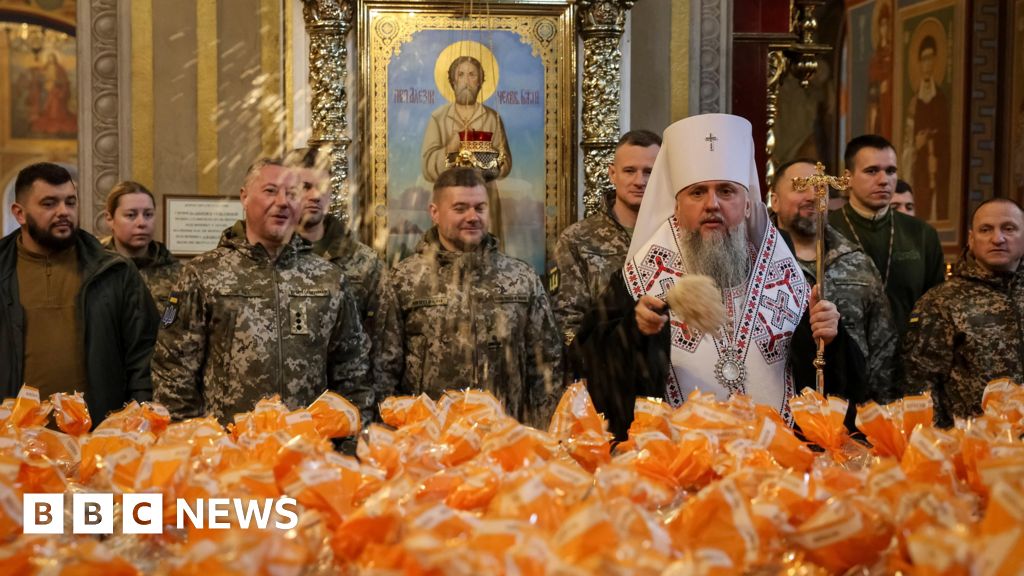
Russian President Vladimir Putin declared a 32-hour Easter ceasefire beginning April 11 at 4pm Moscow time, instructing Defense Minister Andrei Belousov and army chief Valery Gerasimov to halt operations on all fronts. Ukraine's President Volodymyr Zelensky, who had himself proposed a holiday ceasefire earlier, said Ukraine would reciprocate. The pause runs through the end of Orthodox Easter on April 12. It occurs against a backdrop of US-led peace efforts described as faltering, and simultaneous reporting that Zelensky is pressing Washington for THAAD high-altitude missile defense systems, a request that would signal both sides are treating the ceasefire as an interval rather than an opening.
The Easter ceasefire is not a diplomatic event. It is a performance of restraint by both sides to an international audience, scheduled to end before it can become anything else.
Prediction Markets
Prices as of 2026-04-11 — the analysis was written against these odds
The Hidden Bet
A 32-hour ceasefire that holds demonstrates both sides can stop fighting when they choose to.
Both sides routinely agree to local ceasefires in Ukraine that collapse within hours due to lower-level commanders and non-state actors outside central command. A 32-hour hold that is largely observed still does not tell you whether a sustained ceasefire is enforceable, because it takes no time for supply chain repositioning, reconnaissance, or rearmament to occur.
The US diplomatic effort is failing because neither side wants peace.
The US effort may be failing because the terms Washington is willing to offer do not match what either side needs domestically to sell a deal. Ukraine cannot sign a peace that cedes territory without triggering a domestic political collapse. Russia cannot sign a deal that looks like it failed to achieve its original objectives. The US is offering a deal that would require both sides to claim a win they cannot credibly claim.
Polymarket's 3.5% probability of a ceasefire by April 30 reflects the state of play.
That probability is almost certainly correct in terms of a formal ceasefire agreement. But informal local halts, partial ceasefires in specific sectors, or a framework agreement that calls itself something other than a ceasefire are not captured in that number. Both sides have incentive to find a deal structure that allows the market to pay out while the conflict continues in modified form.
The Real Disagreement
The genuine fork is between treating this war as a territorial dispute with a negotiated solution, versus treating it as an existential conflict where compromise means regime failure for one side. The negotiated-solution frame says both sides are rational actors who can be given enough incentive to stop. The existential frame says Ukraine cannot exist as a sovereign state if Russia controls more territory, and Russia cannot declare victory if it fails to absorb the oblasts it claims. These are not compatible. The evidence sides with the existential frame: Zelensky is simultaneously agreeing to a 32-hour ceasefire and requesting THAAD, which is a defensive system useful only if you plan to keep fighting. That is not the behavior of a side looking for a settlement.
What No One Is Saying
Putin's Easter ceasefire serves a domestic Russian audience as much as an international one. Framing Russia as the party that granted a religious ceasefire allows Russian state media to depict Ukrainians who continue operations as attacking during a holy period, regardless of what actually happens on the ground. The ceasefire is a propaganda instrument before it is anything else.
Who Pays
Civilians in frontline Ukrainian towns
Immediate; within the ceasefire window itself
32-hour ceasefires create logistical and psychological whiplash. Civilians who emerge from shelters during declared pauses face resumption without warning. Medical personnel who use ceasefire windows to evacuate wounded operate in a window that can collapse without notice.
US taxpayers and European governments
Ongoing through at least year-end 2026 at current burn rate
A stalled peace process means continued weapons procurement, aid packages, and diplomatic labor. The Polymarket market shows only 29.5% odds of a ceasefire by end of 2026, implying the majority-probability path involves another eight-plus months of conflict and spending.
Ukrainian soldiers and their families
Immediate psychological cost; ongoing physical risk when fighting resumes
A ceasefire that provides 32 hours of pause without any path to a political resolution means the resumption is scheduled. The families of soldiers on the front know this.
Scenarios
Ceasefire holds, then fighting resumes
The 32-hour truce holds with minor incidents. Both sides gain a day for logistics. Fighting resumes April 12 evening. The ceasefire is cited as a model for future humanitarian pauses, which occur quarterly thereafter without advancing any political process.
Signal No significant violations reported during the truce window; no follow-up diplomatic meeting announced within 72 hours of resumption.
Ceasefire violations lead to escalation
Either Russia or Ukraine reports significant violations during the truce. The violating party is accused of using the pause for repositioning. The ceasefire collapses before the 32-hour window closes. Both sides use the failure to justify not agreeing to future pauses.
Signal Ukrainian or Russian military spokespeople announcing violations within the first 12 hours.
Ceasefire extends, becomes framework
The Islamabad Iran talks succeed well enough that diplomatic attention turns to Ukraine. Both sides agree to extend the Easter truce for a week. Polymarket's 3.5% April 30 odds would shift sharply if this occurs, suggesting the market does not price this as likely.
Signal A joint UN or US statement calling for an extended pause within 24 hours of the truce taking effect.
What Would Change This
If Zelensky publicly withdraws the THAAD request and offers a territorial concession framework within the next week, the bottom line is wrong: that would be evidence Ukraine has decided a negotiated settlement is worth the domestic political cost.