Putin's Victory Day Ceasefire Does Not Require Ukraine's Agreement. That Is the Point.
What happened
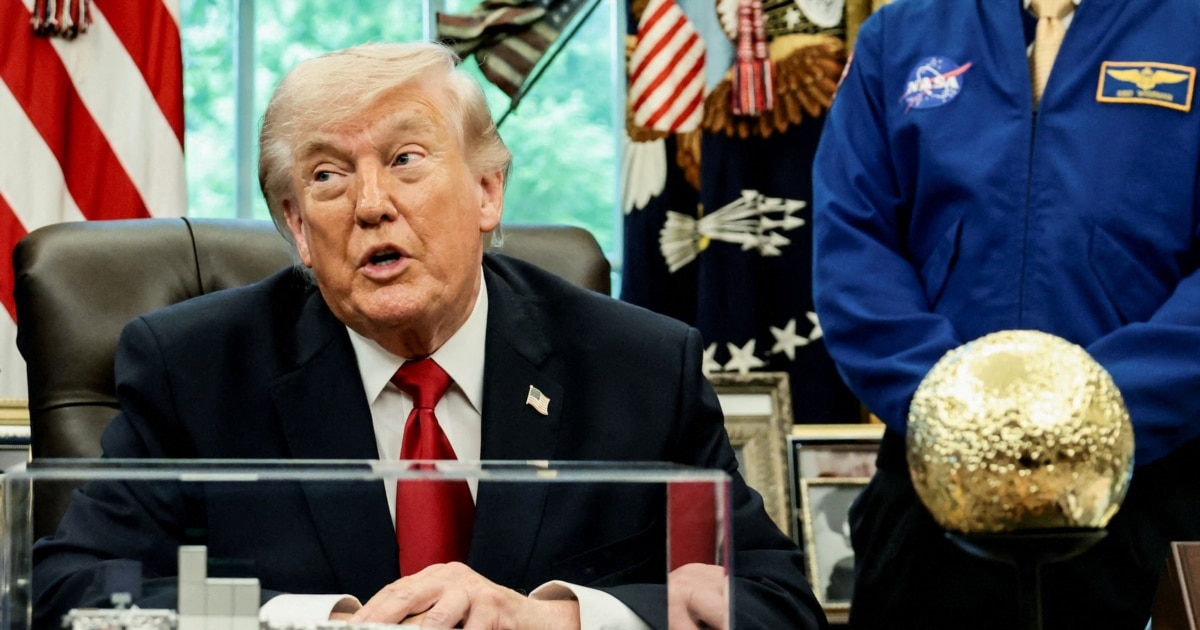
On April 29, Russian President Vladimir Putin told Donald Trump in a phone call that he was prepared to declare a temporary ceasefire for Russia's Victory Day celebrations on May 9, the holiday commemorating the Soviet Union's defeat of Nazi Germany. Trump publicly supported the idea. The next day, Kremlin spokesman Dmitry Peskov stated that the ceasefire 'will be implemented' regardless of Ukraine's response, saying a reaction from Kyiv 'is not, in fact, required.' Ukrainian President Volodymyr Zelensky dismissed the proposal as 'manipulative theater' and demanded a genuine 30-day unconditional ceasefire instead, while instructing his team to contact Trump's office to determine whether Putin was offering hours of calm or something real.
A ceasefire that requires no agreement from one party is not a ceasefire. It is a performance of restraint designed to be rejected, and rejection is the point: Russia gets the imagery of a peace gesture, Ukraine gets the blame for refusing it, and the war continues without any of the leverage changing hands.
Prediction Markets
Prices as of 2026-05-01 — the analysis was written against these odds
The Hidden Bet
Trump's support for the ceasefire idea signals he is pushing for a real settlement
Trump has also claimed Biden's Ukraine aid 'is why the war continues,' citing a figure multiple fact-checkers have called significantly inflated. His support for Putin's parade ceasefire costs him nothing and helps him claim he is working for peace without requiring Russia to concede anything. Trump's ceasefire diplomacy so far has consistently produced announcements without binding commitments.
Zelensky is wrong to refuse the short-term pause
Ukraine's position is that a tactical pause allows Russian forces to resupply and reposition. The Easter ceasefire Russia declared earlier this year saw Ukrainian forces report Russian violations within hours. Zelensky's demand for a 30-day window is not obstinacy; it is a test of whether Russia's stated interest in peace has any operational meaning. The market says the probability of a real ceasefire by May 31 is only 5.7%, which suggests even money-on-the-line bettors agree the short-term pause leads nowhere.
Russia's military position would improve under any ceasefire terms
Ukrainian intelligence released documents suggesting Russian forces are internally acknowledging they cannot achieve their stated objectives with current force levels, and that mobilizing from major cities including Moscow would be required. If those documents are genuine, the Kremlin has a domestic political reason to want a pause it can publicly attribute to magnanimity rather than military necessity.
The Real Disagreement
The actual fork is whether the West treats symbolic gestures as meaningful diplomatic progress or demands conditions on the ground change before crediting Russia with peace intentions. The case for treating the pause as meaningful: any reduction in daily casualties matters, and incremental confidence-building is how wars end. The case against: accepting Russia's framing that it gets to set the terms of a 'pause' while holding occupied territory normalizes the annexation. You cannot have both. I lean toward Zelensky's position that accepting a parade-length ceasefire without verifiable conditions gives Russia a propaganda win at zero strategic cost, and that the 30-day demand is the minimum bar for genuine interest. What I give up is the possibility that a small gesture, if reciprocated, becomes a larger one.
What No One Is Saying
Russia's stated rationale is to protect Victory Day parades from Ukrainian drone strikes. The unstated rationale is that Putin needs the parade to go ahead for domestic political reasons, and a Ukrainian strike on Moscow during the holiday would be a regime-threatening humiliation, not a military setback. The ceasefire offer is fundamentally about Russian internal politics, not a peace overture. Zelensky knows this, which is why he said 'a few hours of security for a parade' out loud. But Western governments cannot say it that directly without appearing to mock Russian national sentiment, which they need to eventually bring to the table.
Who Pays
Ukrainian civilians in occupied territories
Every time a ceasefire that freezes positions is framed as progress
Each short-term ceasefire that does not include withdrawal conditions normalizes the current line of control, making eventual negotiations more likely to treat Russian occupation as a starting point rather than a violation.
European NATO members
Medium-term, 2027-2028
Zelensky's warning that Russia is planning NATO offensives against Baltic states, if accurate, means that a ceasefire that leaves Russia's military capacity intact also leaves the threat to NATO intact. European governments face the cost of either continuing to arm Ukraine or facing a rearmed Russia on a frozen front.
Trump's credibility as mediator
Before the November 2026 midterms
If Trump publicly supported the ceasefire and it produces nothing, he is associated with another failed Russia peace initiative. His Ukraine diplomacy has generated press releases without outcomes, and each failure makes the next round harder.
Scenarios
Theatrical pause, war resumes
Russia observes a partial reduction in activity on May 9. Ukraine does not formally agree but limits strikes on Russian soil during the holiday. By May 10, operations resume at prior intensity. The pause is declared a success by Russia and a fraud by Ukraine. Polymarket's 5.7% ceasefire-by-May-31 pricing holds or drops further.
Signal Zelensky does not issue a reciprocal ceasefire statement before May 9, and Russian shelling of Ukrainian territory continues at normal rates.
Ceasefire extends beyond May 9
Trump personally intervenes to broker a 30-day extension after the holiday. Both sides agree under pressure. The war enters a negotiation phase, with territory frozen roughly at current lines. A ceasefire by May 31 climbs above 20% probability in markets.
Signal Direct US-Russia-Ukraine talks at the foreign minister level are announced within 48 hours of May 9.
Ukraine strikes during the pause
A Ukrainian drone or missile hits Russian territory on or near May 9, whether intentionally or through targeting drift. Russia uses the incident to justify resumed offensive operations. Putin cancels any ceasefire extension discussions. The diplomatic window closes for months.
Signal Zelensky does not publicly restrain Ukrainian long-range operations in the days before May 9.
What Would Change This
If Trump puts concrete American pressure on Russia: withdrawing diplomatic support, threatening sanctions relief reversal, or conditioning future engagement on verifiable 30-day compliance, the ceasefire dynamic shifts. Without that leverage, Putin has no incentive to offer anything beyond a symbolic pause.