The $166 Billion Tariff Refund Nobody Asked For
What happened
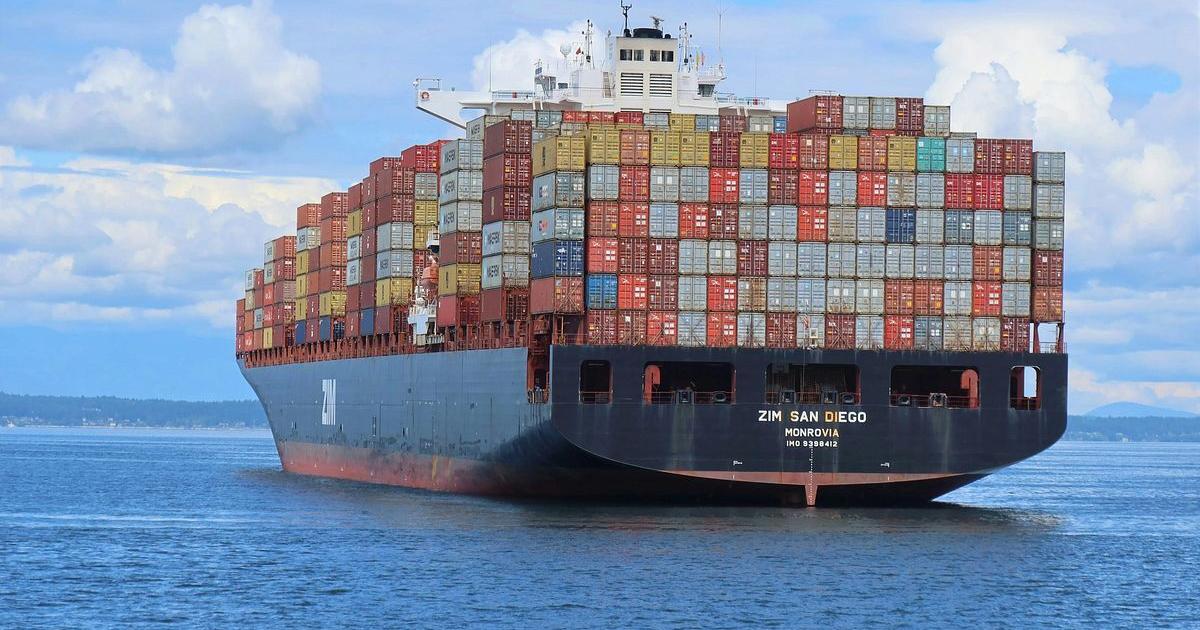
The Supreme Court struck down Trump's sweeping IEEPA tariffs in February, ruling them unconstitutional. The Treasury is now processing $166 billion in refunds to U.S. importers through a new customs portal called CAPE, with first payouts expected May 11. Trump called the refunds a travesty. Only UPS and FedEx, two of the largest importers, have vowed to share refunds with their customers. No law requires anyone else to do so.
The people who absorbed higher prices for a year get nothing. The businesses that passed those costs on are collecting the windfall. The refund is a subsidy to corporate margins, laundered through a court victory.
Prediction Markets
Prices as of 2026-05-03 — the analysis was written against these odds
The Hidden Bet
The court ruling that struck down tariffs was a win for consumers
The ruling creates a refund mechanism that flows entirely to importers, who have no legal obligation to pass savings through to retail prices. The consumers who paid higher prices for imported goods have no standing to claim any of the $166 billion.
Prices will fall now that tariffs have been refunded
Companies raised prices to cover tariff costs. Those prices are sticky downward. There is no mechanism forcing rollbacks, and most importers have every incentive to keep margins at their new higher level. The dollar is also down 10%, adding upward pressure on import costs independent of tariffs.
Trump's opposition to the refunds is authentic outrage
His base is the corporate donor class that will collect most of this money. The performative anger about the refunds may be cover for letting major importers quietly pocket $166 billion.
The Real Disagreement
The fork is between two views of what refunds are for. One view: the legal obligation runs to the parties who paid the tariff, which are the importers. The government collected from them; the government refunds to them. The chain of pass-through is a private contract matter. The other view: the real economic harm fell on consumers, not importers, who were reimbursed in real time through higher prices they charged. Giving the money to importers is a second subsidy to the same people. The first view is legally correct. The second is economically accurate. Courts operate in the first world. The result is a legal outcome that is an economic injustice.
What No One Is Saying
Trump's tariff dividend proposal, which would have given $2,000 checks to middle-income households from tariff revenue, would have been the only mechanism that got money to consumers. The Supreme Court killed both the tariffs and the dividend in the same ruling. The people who were supposed to benefit from populist trade policy are now watching $166 billion go to the importers who raised prices on them.
Who Pays
American households who bought imported goods in 2025
Already paid. No recourse.
They paid higher prices at retail that covered the tariff costs. Those higher prices are not being reversed. The refund goes upstream to importers, not downstream to buyers.
Small importers without legal resources
Filing window is open now through mid-May
The CAPE portal requires navigating a federal customs bureaucracy that large companies have compliance departments for. Small businesses that paid tariffs may fail to file on time or correctly and lose their refund.
Scenarios
Corporate windfall, no retail relief
Most importers keep the $166 billion as margin improvement. Prices do not fall. Congress is unable to pass any consumer-side relief before midterms. The refund becomes a political liability for Republicans.
Signal If retail prices on key import categories (electronics, apparel, tools) show no decline in May-June CPI readings
Pressure campaign works
Public attention on the UPS/FedEx precedent forces other major retailers to announce customer rebates. Big-box retailers pass some savings through to maintain price competitiveness. A handful of attorneys general file state consumer protection suits to claw back overcharges.
Signal If two or more major retailers announce refund programs in the next two weeks
Congress intervenes
A bipartisan bill requiring importers to prove cost pass-through before collecting refunds, or establishing a consumer rebate fund from the $166 billion, gains traction. It fails or passes only symbolically.
Signal If Senate Finance Committee schedules hearings on tariff refund distribution within 30 days
What Would Change This
If it emerged that a significant share of importers voluntarily reduced prices or issued customer credits at scale, the analysis would need revision. If Congress passes a mechanism requiring documentation of consumer harm before refund disbursement, the windfall structure changes. Neither is likely.
Related
The Largest Trade Refund in US History Goes to the Wrong People
powerTrump's Tariff Playbook Has One Move Left and It Also Got Struck Down
powerThe Tariffs Are Gone. The $166 Billion Refund Has Arrived. The Trade War Has Not Ended.
powerThe Government Has to Return $166 Billion in Illegal Tariffs. Its Portal Is Rejecting 15% of Claims.