Iran's Hormuz Gambit: Trade the Blockade, Keep the Bomb
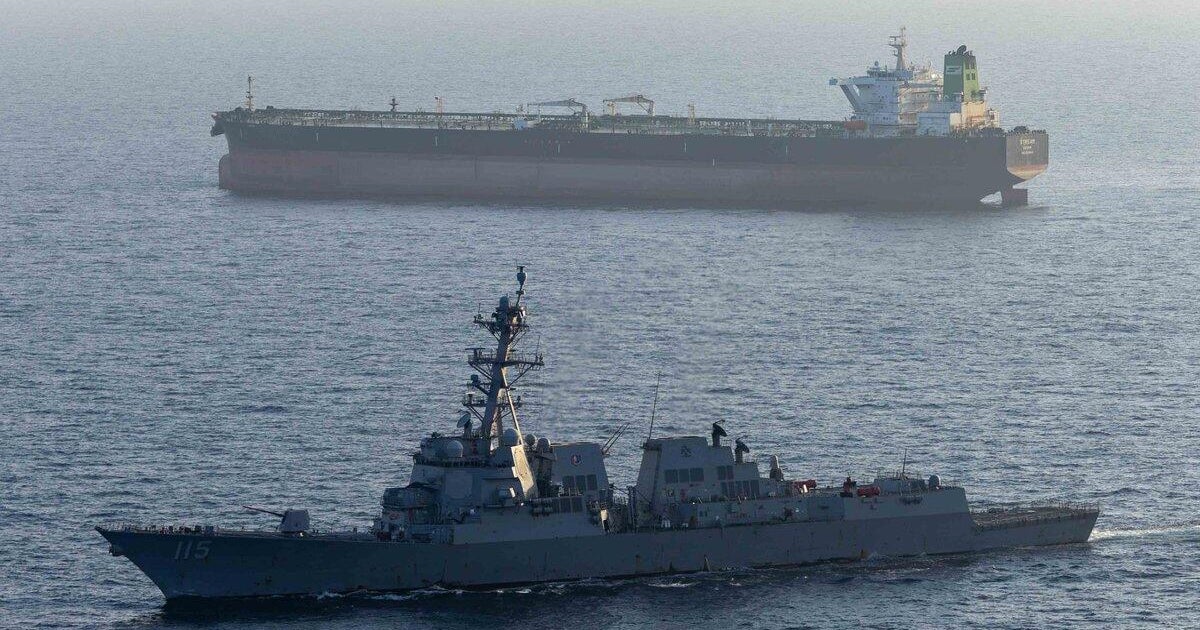
What happened
The US and Iran reached a fragile two-week ceasefire in late April after roughly six weeks of active conflict. Iran then proposed reopening the Strait of Hormuz in exchange for lifting the US naval blockade, while explicitly deferring nuclear program talks to a later phase. Trump publicly declared he was unhappy with the proposal and that Iran had communicated it was in a 'state of collapse.' Oil prices remained above $112 per barrel with no clear resolution in sight. A planned Trump visit to Beijing on May 14-15 is now shadowing every calculation.
Iran is offering to sell the thing the world needs most, energy security, while keeping the thing Washington actually wants, nuclear dismantlement, permanently off the table. The proposal only makes sense as a stalling mechanism, and both sides know it.
Prediction Markets
Prices as of 2026-05-01 — the analysis was written against these odds
US x Iran permanent peace deal by May 31, 2026?
Polymarket · as of 2026-05-01
19%
yes
Strait of Hormuz traffic returns to normal by end of May?
Polymarket · as of 2026-05-01
20%
yes
Strait of Hormuz traffic returns to normal by end of June?
Polymarket · as of 2026-05-01
48%
yes
Will Trump visit China by May 31?
Polymarket · as of 2026-05-01
85%
yes
The Hidden Bet
Iran's 'state of collapse' message reflects genuine weakness
States in actual collapse don't run sophisticated multi-track diplomatic proposals through Pakistan intermediaries. The collapse framing may be a pressure tactic designed to make the US feel it needs to act fast, on Iran's terms.
Reopening Hormuz is the primary US objective in this conflict
If oil prices were the main US concern, the proposal would be irresistible. Trump's rejection suggests the actual objective is nuclear, which means the ceasefire is a pause in a war with no obvious endpoint, not a path to resolution.
The May 14-15 Beijing summit is separate from the Iran file
China is Iran's largest oil customer and has been sanctioning US firms doing business with its Iranian oil buyers. The Trump-Xi meeting is almost certainly where the actual terms of any Iran deal get settled, not in Islamabad back-channels.
The Real Disagreement
The fork is sequencing. Iran says: stop the war first, then negotiate the nuclear program. The US says: agree on nuclear terms first, then we stop. Both positions are internally coherent. Iran's logic is that it won't dismantle leverage before getting security guarantees. America's logic is that a pause without nuclear constraints just gives Iran time to rebuild. The side that blinks on sequencing loses the war, regardless of what the ceasefire document says. The market gives only 18.5% odds on a permanent deal by end of May, which suggests the consensus expects this stalemate to persist. I'd lean toward the US eventually accepting Iran's sequencing, because $112 oil is a domestic political liability that grows faster than the nuclear threat.
What No One Is Saying
Pakistan is the only party that needs both sides to make a deal, and Pakistan is also the only party that could credibly threaten to stop mediating if one side stonewalls. Islamabad has not used that threat publicly. The question of why not is more important than any of the proposals on the table.
Who Pays
Shipping and logistics companies with Hormuz exposure
Ongoing since the blockade began; compounds each week the strait stays closed
Rerouting costs around the Cape of Good Hope add 10-14 days per voyage and 25-40% to fuel costs; insurance premiums for the region have spiked to war-risk rates
Lower-income countries dependent on Persian Gulf LNG
Immediate, with humanitarian consequences already visible in Pakistan and Bangladesh
Qatar's LNG exports, a lifeline for South Asian and European buyers, are partially disrupted; spot prices for natural gas in vulnerable markets have doubled
Iran's civilian population
Ongoing and accelerating if the ceasefire breaks down
Six weeks of US-Israeli airstrikes have hit infrastructure including power generation and water treatment; the 'state of collapse' framing, whether true or not, describes a real degradation of civilian conditions
Scenarios
Beijing Solves It
Trump and Xi reach a back-channel understanding at the May 14-15 summit: China agrees to stop buying sanctioned Iranian oil in exchange for US tariff relief, Iran loses its primary revenue source, and Tehran accepts nuclear constraints as the price of regime survival.
Signal Watch for a sudden softening of Chinese rhetoric on Iranian oil sanctions in the week before the summit. If Beijing stops defending Hengli Petrochemical publicly, the deal is being structured.
Permanent Stalemate
Sequencing deadlock holds through summer. The ceasefire holds on paper while both sides conduct low-intensity operations. Oil stabilizes at elevated prices. The US domestic political cost mounts heading into midterms.
Signal Brent crude stays above $105 for more than 30 consecutive days with no new diplomatic movement. The market currently gives 48% odds on Hormuz traffic normalizing by end of June, which supports this path.
Ceasefire Collapse
A single incident, a drone strike, a tanker seizure, or an Israeli unilateral action in Lebanon or Syria, breaks the ceasefire before any framework is agreed. Escalation resumes at higher intensity.
Signal Israeli military activity in Lebanon increases without prior US coordination. The Lebanon ceasefire (10-day halt) is the trip-wire to watch.
What Would Change This
If Trump publicly accepts the sequencing Iran is proposing, the bottom line is wrong: this becomes genuine diplomacy rather than a stalling mechanism. The specific evidence would be a statement from Rubio or the White House that a Hormuz reopening agreement can be reached independent of nuclear talks.