Rural Farmers Bet on Solar. Trump Changed the Rules After the Money Was Spent.
What happened
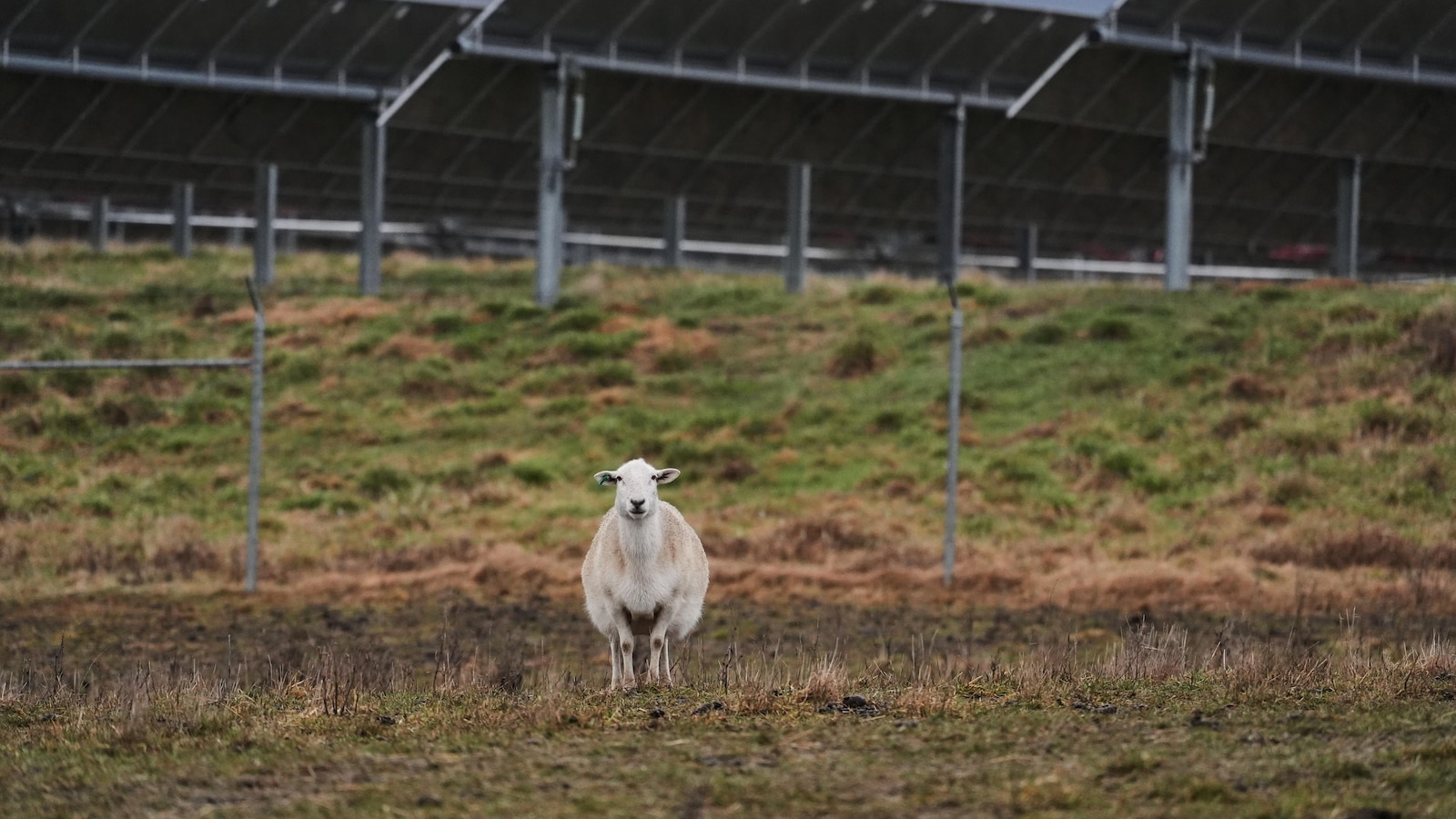
The USDA froze applications for the Rural Energy for America Program in early April and on April 15 issued a formal rescission of its funding opportunity announcement in the Federal Register, terminating the current grant cycle. REAP provided grants covering up to 50 percent of the cost of renewable energy systems for agricultural operations and rural small businesses; solar installations were by far the most common use. Farmers who installed solar panels based on expected REAP grants are now carrying the full loan amounts without the grant offset they planned for. The freeze was announced without advance notice to state rural development offices or applicants, many of whom were mid-project when the program stopped.
The administration did not eliminate a future program. It pulled the floor out from under projects that were already built, loans that were already signed, and farmers who had no way to reverse the decision.
The Hidden Bet
Farmers made a speculative bet on a government program and should have known it could change
REAP was not a new or untested program. It ran continuously from 2002 through 2025 with strong bipartisan support. Lenders underwrote solar loans assuming REAP grants would close the gap. The risk farmers took was the ordinary risk of any multi-year government program, not a speculative gamble. Retroactive harm to completed projects is a different category of policy change than adjusting eligibility going forward.
This is primarily about ideology: the administration opposes clean energy and is using REAP to signal that
The rescission is also a budget mechanism. USDA's discretionary spending is under pressure from OMB targets, and REAP, despite being congressionally authorized, draws from discretionary grant authority. The ideological and fiscal motivations are both real and reinforce each other, but framing this purely as an anti-solar statement misses that the same administration is approving solar projects on federal land when they are utility-scale and connected to favored contractors.
Congress can restore the program through appropriations
REAP was funded through the Inflation Reduction Act's agricultural provisions. The administration's position is that the IRA's clean energy provisions are subject to executive discretion on spending. If that legal theory holds, Congress cannot force USDA to spend IRA appropriations on clean energy programs the administration wants to defund. That theory has not been fully tested in court, but no injunction has stopped the REAP freeze so far.
The Real Disagreement
The genuine fork here is not between clean energy and fossil fuels. It is between two views of what government program commitments mean. One view holds that a program's rules can change at any administration's discretion, and participants take political risk alongside financial risk. The other holds that when the government induces private investment by promising to cost-share it, changing the terms after the investment is made is a different moral and legal act than changing terms going forward. The administration is betting on the first view. The affected farmers are finding out what that means after the fact. The court question, which has not yet been litigated directly, is whether the IRA appropriations give Congress enough specificity to constrain executive spending discretion. If yes, the freeze may be reversible. If no, every clean energy program authorized through the IRA has the same vulnerability.
What No One Is Saying
The Iran war oil shock is running directly counter to the logic of this decision. Rural energy costs are at multi-year highs precisely because Middle East oil disruption raised diesel and electricity prices for agricultural operations. REAP was funded and expanded specifically to reduce agricultural dependence on fossil fuel energy inputs. Eliminating it now, while the oil shock the administration has not resolved is actively raising farm operating costs, is not a coherent energy policy. It is a political signal being sent at material cost to the rural constituency that most strongly supported the administration that is sending it.
Who Pays
Rural farmers mid-project
Immediate: first loan payments without grant offset are already coming due
Farmers who installed solar, signed loans, and expected REAP grants to cover 25-50 percent of system cost are now carrying the full debt service. In some cases the gap is $50,000 to $200,000 per operation. Refinancing or selling the equipment typically recovers less than the loan balance.
Rural lenders and USDA-backed loan programs
Medium-term: default risk materializes over the next 12-18 months as farm cash flows are squeezed by high energy costs and loan service
Agricultural lenders who underwrote solar loans with REAP grants factored in as debt-service relief are now holding loans with higher effective default risk. USDA's own Farm Service Agency guaranteed some of these loans. The grant freeze increases the agency's own guaranteed loan exposure.
Rural solar installers and contractors
Immediate for contractors already mobilized; medium-term for businesses that depended on REAP pipeline for 2026-2027 revenue
Installers who pre-ordered equipment and hired crews for projects in the application pipeline have no projects to build. Order cancellations and workforce layoffs are concentrated in rural areas with few alternative employers.
Scenarios
Freeze Holds
The REAP rescission stands. No court injunction issues. Affected farmers negotiate individually with lenders for loan modifications. The program does not restart in 2026. Congressional attempts to restore funding fail to override executive discretion on IRA spending.
Signal No federal court issues a preliminary injunction within 60 days, and USDA does not publish a new funding opportunity announcement by June 2026.
Court Reversal
Farm advocacy groups or state attorneys general sue on the grounds that the IRA appropriations are mandatory rather than discretionary. A district court issues a preliminary injunction requiring USDA to process pending REAP applications. The administration appeals. Program limps forward under litigation.
Signal A federal lawsuit is filed by a coalition of farm groups or state AGs within 45 days, and a district court agrees to hear a motion for preliminary injunction.
Quiet Reinstatement
Republican senators from farm states with large REAP constituencies apply private pressure. USDA reopens REAP under a different framing, such as 'energy independence' grants rather than 'clean energy' grants, covering the same solar installations while removing the administration's ideological objection to the program's branding.
Signal USDA publishes a new rural energy funding opportunity announcement that omits 'clean energy' or 'renewable' language but covers functionally similar project types.
What Would Change This
If USDA publishes a legal memo demonstrating that IRA REAP appropriations are subject to executive discretion rather than mandatory spending, the administration's authority to freeze the program is on firm ground and restoration requires legislation. If no such memo exists or it is successfully challenged, the freeze may be administrative overreach. The legal memo has not been publicly released.
Related
Trump Killed $35 Billion in Wind Projects. Republican Districts Lost Twice as Much as Democratic Ones.
conflictA Federal Judge Ordered Trump to Unblock Wind and Solar. The Permits Were Being Delayed While Fossil Fuels Carried On.
conflictChina's Green Weapon
decisionTrump Wants to Suspend the Gas Tax. The Industry That Runs on Gas Does Not.