After the Ceasefire, Trump Told NATO to Stay Away. The UK and France Launched Their Own Mission.
What happened
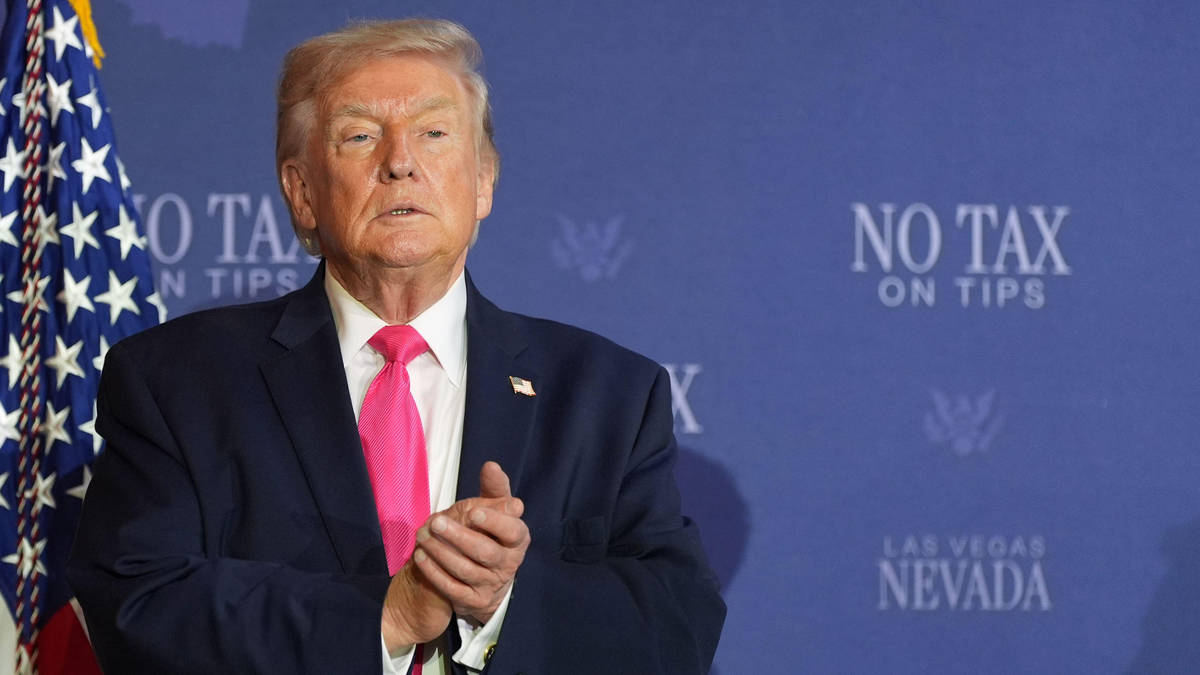
On April 17, following Iran's announcement that the Strait of Hormuz would reopen for commercial shipping during the ceasefire, NATO called Trump to offer assistance. Trump publicly rejected the offer, posting on TruthSocial that he told NATO to 'stay away' and branding the alliance 'useless when needed' and a 'paper tiger.' Within hours, UK Prime Minister Keir Starmer and French President Emmanuel Macron announced from Paris that they would lead a multinational maritime mission to protect shipping through the strait and invited other nations to join. The mission was explicitly described as not including a US role. The two responses happened on the same day, publicly, and represent the first open European security action in the Middle East formally structured around US absence.
This is not just Trump insulting NATO again. This is the first instance of a formal European security mission in a US strategic waterway being constituted specifically because the US refused the role. The alliance fracture that has been structural for years just became operational.
Prediction Markets
Prices as of 2026-04-17 — the analysis was written against these odds
The Hidden Bet
European security missions without US logistics can actually protect Hormuz shipping
The UK and France lack the mine-clearing capacity, aerial coverage, and naval surge that the US has routinely provided in the Gulf. A 'strictly peaceful and defensive' mission with European assets in one of the world's most contested waterways may project symbolic commitment more than actual deterrence, which is exactly what Iran would want.
Trump's rejection of NATO help was about the Hormuz situation specifically
Trump's language was explicitly about NATO as an institution, not about the specific request. His comment that they should only come if they want to 'load up their ships with oil' framed NATO's usefulness as purely transactional: their interest in Hormuz is oil imports, which Trump does not value because the US is energy independent. This is a structural argument against alliance obligations, not a situational one.
The Starmer-Macron mission is about protecting shipping
The timing suggests the mission is as much about demonstrating European strategic relevance after being publicly dismissed as about actual shipping protection. A mission that Starmer and Macron announce the same day they are told to stay away is a political response as much as a security one.
The Real Disagreement
The actual fork: either the value of NATO is its collective deterrence capacity, which means the US rejection erodes the security guarantee that has anchored European defense planning for 80 years, or NATO's value is flexible and Europe can build functional alternatives around US participation gaps, meaning Trump's rejection accelerates European strategic autonomy without destroying security. The first position says this moment is genuinely dangerous. The second says it is clarifying and ultimately healthy for European defense spending and coordination. The lean is toward the first. European alternatives take years to build and the window in which they are neither fully US-backed nor fully independent is the most dangerous period for adversaries who want to test seams.
What No One Is Saying
Iran's agreement to reopen Hormuz was negotiated with a US that could credibly threaten force. If the Starmer-Macron mission is what now patrols the strait, Iran has implicitly gotten what it wanted all along: US military withdrawal from Gulf security architecture, replaced by European powers with far less capacity to enforce consequences.
Who Pays
European navies and defense budgets
Immediate on deployment; ongoing for the duration of the mission
Any Hormuz mission requires sustained naval presence in a region where European forces have no existing basing infrastructure and limited resupply chains; the cost in ships, personnel, and logistics falls on already-strained defense budgets
Asian importers dependent on Hormuz oil
Ongoing vulnerability; materializes on any future disruption
Japan, South Korea, India, and China all receive a larger share of their oil through Hormuz than European countries; they receive no protection from the Starmer-Macron mission but also received no US offer; their shipping is exposed to the next closure without a commitment from any major power
NATO's Article 5 credibility
Immediate reputational damage; operational damage manifests in the next Article 5 scenario
A public US rejection of a NATO offer to help in a US-led operation signals that Article 5 mutual defense is a one-way valve when the US decides it does not need the alliance; smaller NATO members in Eastern Europe who depend entirely on collective deterrence against Russia are watching this
Scenarios
European mission deploys, US absent, new normal
The UK-France mission deploys to the Gulf with contributions from Germany, Italy, and possibly Japan and South Korea. The US stays out. Iran honors the ceasefire for now. The mission becomes the template for European security operations in US strategic interests without US participation. NATO's geographic scope quietly contracts to Europe.
Signal First non-US naval vessel deploys to Gulf under the Starmer-Macron mission flag
Mission fails to attract partners, collapses quietly
Other nations do not join the UK-France mission in significant numbers. The operational capacity is too small to credibly protect Hormuz traffic. The mission is quietly wound down. Trump points to its failure as validation that NATO is useless. European powers return to lobbying the US for re-engagement.
Signal No further nations announce participation by May 1
Next Hormuz incident tests the gap
Iran or a non-state actor threatens shipping after the ceasefire expires. The UK-France mission is present but lacks the force to respond decisively. The US declines to intervene. A ship is seized or struck. Oil prices spike. The gap between European willingness and European capacity becomes visible.
Signal Any Iranian naval action in the Strait after the ceasefire ends
What Would Change This
If Trump reversed course and allowed US participation in the Starmer-Macron mission, even under a non-NATO bilateral framework, the structural break would be repaired tactically even if the rhetorical damage persisted. That reversal looks unlikely given that Trump has framed this as personal validation.
Related
184 Sanctioned Russian Ships Passed Through UK Waters. None Were Boarded.
powerTrump to Britain: Protect Apple or Pay Tariffs
powerMacron Is Offering Poland a Nuclear Umbrella. France Still Controls the Button.
powerFrance Is Offering Poland a Nuclear Umbrella the US Won't Confirm It Still Holds