The IMF Is Describing a Recession. Bessent Is Calling It a Strategy.
What happened
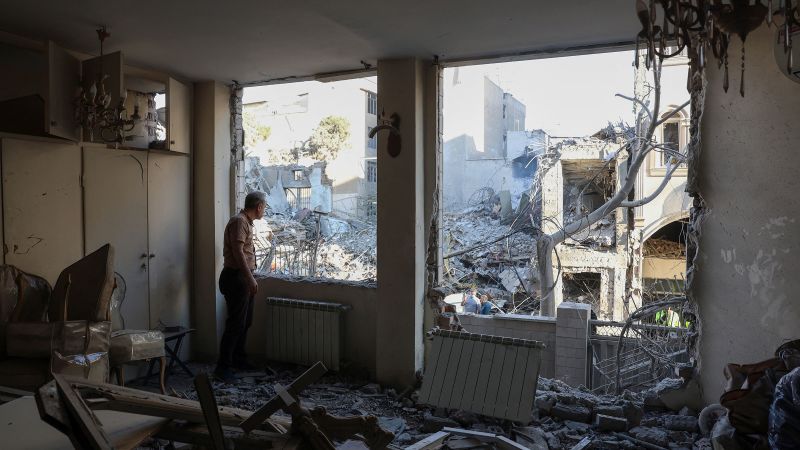
The IMF released its April 2026 World Economic Outlook on April 14, cutting the global GDP growth reference forecast to 3.1% for 2026, down from earlier projections, on the assumption the Iran war is short-lived. It simultaneously warned that a wider or longer conflict could push growth to 2.5% and trigger a global recession. Chief Economist Pierre-Olivier Gourinchas said the world is already drifting toward the adverse scenario. Oil prices have surged to $91 per barrel amid continued Strait of Hormuz disruption. US Treasury Secretary Scott Bessent responded by telling the BBC that the 'small bit of economic pain' is worth the long-term security gain of ending the Iran nuclear threat.
Bessent is describing a deliberate trade-off. The IMF is describing the same trade-off and warning it could go badly wrong. The difference is not analytical: it is who is absorbing the costs and whether 'small' is the right word for 28.5% recession odds.
Prediction Markets
Prices as of 2026-04-16 — the analysis was written against these odds
The Hidden Bet
The pain is temporary and bounded.
The IMF's adverse scenario is triggered not by the war escalating dramatically but by it simply continuing. Every week the Strait remains disrupted, oil supply deficits compound. There is no natural ceiling on duration if Iran concludes that holding out is more costly than surrendering nuclear capacity.
The US economy can absorb higher oil prices without triggering a broader contraction.
Polymarket puts US recession odds at 28.5% by end of 2026. The Federal Reserve has been slow to cut rates, which Bessent himself criticized publicly. A Fed that cannot lower rates because of oil-driven inflation is exactly the wrong tool for a demand shock. The US has fewer cushions than in prior oil shocks.
The long-term security gain is reliably achievable.
Ending Iran's nuclear program requires either a deal or regime change. A deal is at 37.5% probability by April 30 on Polymarket. Regime change is not on offer. If neither materializes, the pain was not a trade-off: it was a cost without a purchase.
The Real Disagreement
The genuine fork is whether 'long-term security' is achievable on a timeline that justifies current costs. Bessent implies it is: the war ends, Hormuz reopens, the pain fades, the nuclear threat is gone. The IMF implies the costs are accruing faster than the security payoff is materializing. Both framings are consistent with the same facts. The side worth leaning toward: the IMF's. Recession risk is a structural condition, not a bad quarter. Developing economies that import oil, run dollar-denominated debt, and have no domestic fiscal cushion are already under compounding stress. Their 'small bit of pain' is categorically different from America's.
What No One Is Saying
Bessent is not the one absorbing the pain. US Treasury secretaries are not affected by $91 oil. The families in South Asia, sub-Saharan Africa, and Southeast Asia whose food and transport costs are climbing on the back of Hormuz disruption were not consulted on whether the security trade-off is worth it to them.
Who Pays
Oil-importing developing nations
Already happening; worsens with each week of Hormuz disruption
Every $10 increase in oil prices transfers roughly $150 billion annually from net importers to net exporters. Nations with dollar-pegged currencies or high foreign debt loads face simultaneous currency pressure and inflation.
Global manufacturing supply chains
Current and compounding
Higher shipping insurance premiums in the Persian Gulf, rerouted tanker traffic adding 10-14 days to transit times, and reduced throughput of goods through Gulf ports add costs that hit just-in-time manufacturers hardest.
US consumers
Near-term through summer 2026
Gasoline prices above $4/gallon nationally, combined with tariff-driven goods inflation still working through supply chains, compresses household purchasing power. The Fed cannot easily respond because oil inflation is cost-push, not demand-pull.
Scenarios
Short pain, clean exit
Iran agrees to nuclear deal by May; Hormuz reopens fully; oil retreats to $70-80; IMF revises growth upward in July forecast.
Signal Trump announces a framework agreement after Beijing meetings and oil futures drop more than 10% on the day.
Drift into adverse scenario
Talks stall; Hormuz remains partially disrupted through summer; oil stays above $85; IMF's adverse scenario materializes with 2.5% growth; several emerging market currencies face pressure.
Signal The IMF activates its emergency financing facility for more than two countries simultaneously by July.
Recession
A military incident, failed nuclear talks, and oil above $100 coincide; US and EU slip into technical recession by Q3; global trade volume contracts.
Signal US Q2 GDP comes in negative; China's export orders index falls below 45 for two consecutive months.
What Would Change This
If oil sustainably falls below $75 following a ceasefire extension, the IMF's adverse scenario becomes unreachable and Bessent's calculation is vindicated. If the US reports negative Q2 GDP growth, the 'small pain' framing becomes politically untenable regardless of the security outcome.