Trump's Three-Day Ceasefire Is a Victory Photo, Not a Peace Deal
What happened
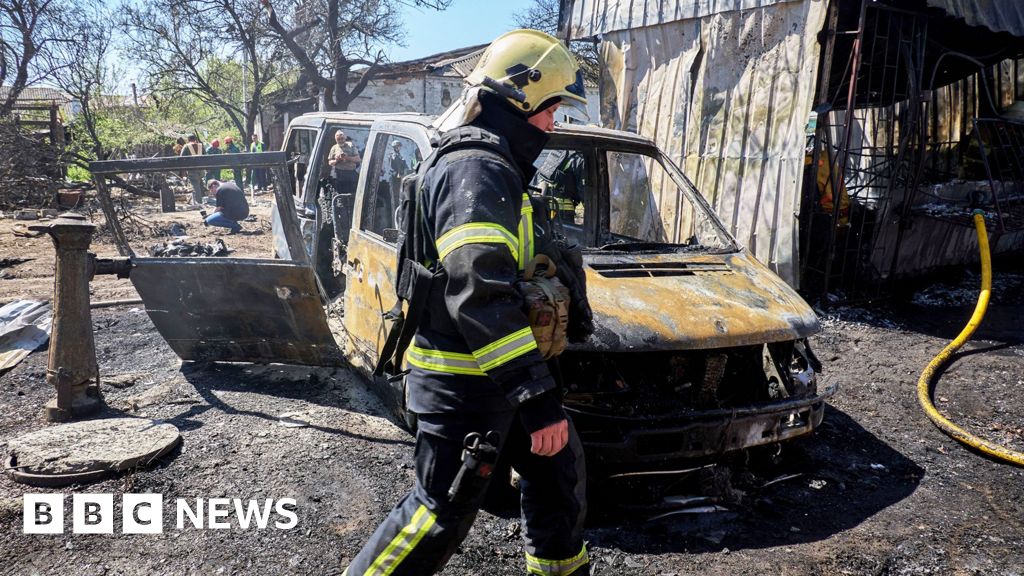
US President Donald Trump announced on May 8 that Russia and Ukraine agreed to a three-day ceasefire running from May 9 to May 11, timed to coincide with Russia's Victory Day holiday. Both governments confirmed the truce, which also includes a prisoner exchange of 1,000 soldiers from each side. The announcement followed Ukraine's chief negotiator Rustem Umerov meeting US envoys in Miami earlier in the week. Prior to this agreement, both Russia and Ukraine had each declared their own unilateral ceasefires that the other side refused to honor, and cross-border drone and missile attacks continued through those declarations.
A 72-hour pause that serves Putin's ceremonial calendar and gives Trump a headline is not a step toward peace; it is a substitute for one.
Prediction Markets
Prices as of 2026-05-09 — the analysis was written against these odds
The Hidden Bet
Both sides agreed to this ceasefire because they want to stop fighting
Russia wanted no drones over Moscow during Victory Day parade coverage. Ukraine wanted prisoner releases. Trump wanted a visible win. None of those goals require or produce a peace process. Each party got what they came for without conceding anything on territory or governance.
A short ceasefire creates momentum toward a longer one
The previous two unilateral ceasefire declarations both collapsed immediately. The pattern so far is that ceasefires function as propaganda tools, not de-escalation ladders. Polymarket put a durable ceasefire by year-end at 25%. The market is not optimistic.
The prisoner exchange is a sign of good faith on both sides
Prisoner swaps are the one transaction both sides have repeatedly been willing to do throughout the war because they serve domestic political needs. Zelenskyy needs to show Ukrainians their soldiers are coming home. Putin needs to show Russian families the same. That is not diplomacy; it is parallel domestic politics that happen to require the same exchange.
The Real Disagreement
The fork is between two sincere but incompatible readings of what this ceasefire is. One reading: even a 72-hour pause is meaningful because it habituates both militaries to stopping, creates space for negotiators, and establishes a precedent Trump can build on. The other reading: short performative ceasefires actually make durable peace harder by letting both sides claim they tried while continuing to fight, and by letting Trump claim credit for a process that isn't happening. The first reading requires believing that trust can be built in small increments between parties who have broken every agreement. The second requires believing that the incentive structure on all three sides still points toward continued conflict. The market data leans toward the second reading: a ceasefire that lasts through year-end is priced at 25%.
What No One Is Saying
Russia got exactly what it needed from this deal: a guarantee that Ukrainian drones would not hit Moscow during the Victory Day parade broadcast on May 9. Zelenskyy could not say no without appearing to oppose prisoner releases. Trump got a social media post that says 'I stopped the war for three days.' The ceasefire is less a diplomatic breakthrough than a mutual non-aggression pact for a single news cycle.
Who Pays
Ukrainian soldiers on the front line
Immediately, beginning May 9
A 72-hour halt allows Russian forces to resupply, reposition, and fortify. Ceasefires disproportionately benefit the side with longer supply lines and larger reserves. Ukraine has consistently argued that ceasefires favor Russia militarily.
Ukrainian civilians in occupied territory
Slow-burn, ongoing throughout any ceasefire period
Each ceasefire that does not produce a political agreement extends the period of Russian administrative control over occupied areas, during which deportations, filtration, and property transfers continue. None of those processes pause for a military ceasefire.
European governments pushing for permanent ceasefire conditions
Medium-term, over the next several weeks of negotiations
A successful symbolic ceasefire reduces pressure on the US to engage seriously with territorial and security questions. EU leaders who have been trying to get a conditions-based peace process find Trump's transactional approach makes their position harder to sustain domestically.
Scenarios
Ceasefire holds, talks resume, nothing changes
The 72-hour truce holds. Trump declares success. Talks between Umerov and US envoys continue intermittently. No territorial agreement is reached. Fighting resumes after the ceasefire expires, at lower intensity for several weeks.
Signal Watch for whether both sides announce a willingness to extend the ceasefire beyond May 11 without preconditions. If neither side proposes extension, this scenario is the path.
Ceasefire breaks, blame war restarts
One side accuses the other of violating the truce within 48 hours. Both sides point fingers. Trump distances himself, saying he gave them a chance. Military operations resume at the level they were before. Diplomatic contacts go quiet for weeks.
Signal Watch for a confirmed Ukrainian drone strike on Russian territory or Russian artillery fire in Donetsk within the first 24 hours.
Prisoner swap succeeds, becomes the template
The 1,000-person exchange happens without incident. Trump uses it as proof of his negotiating ability. A framework for monthly exchanges becomes the de facto diplomatic channel, substituting for but never producing a territorial settlement.
Signal Watch for either side announcing a second prisoner exchange without an accompanying ceasefire demand. That would signal both sides are treating exchanges as standalone transactions.
What Would Change This
If both sides agreed to extend the ceasefire and committed to negotiations on a specific territorial question, such as a defined line of contact, that would indicate the 72-hour pause was a genuine opening move. Nothing short of that changes the analysis.