The Supreme Court Has Until Monday to Save Telehealth Abortion Access. It Probably Will. That's Not the Point.
What happened
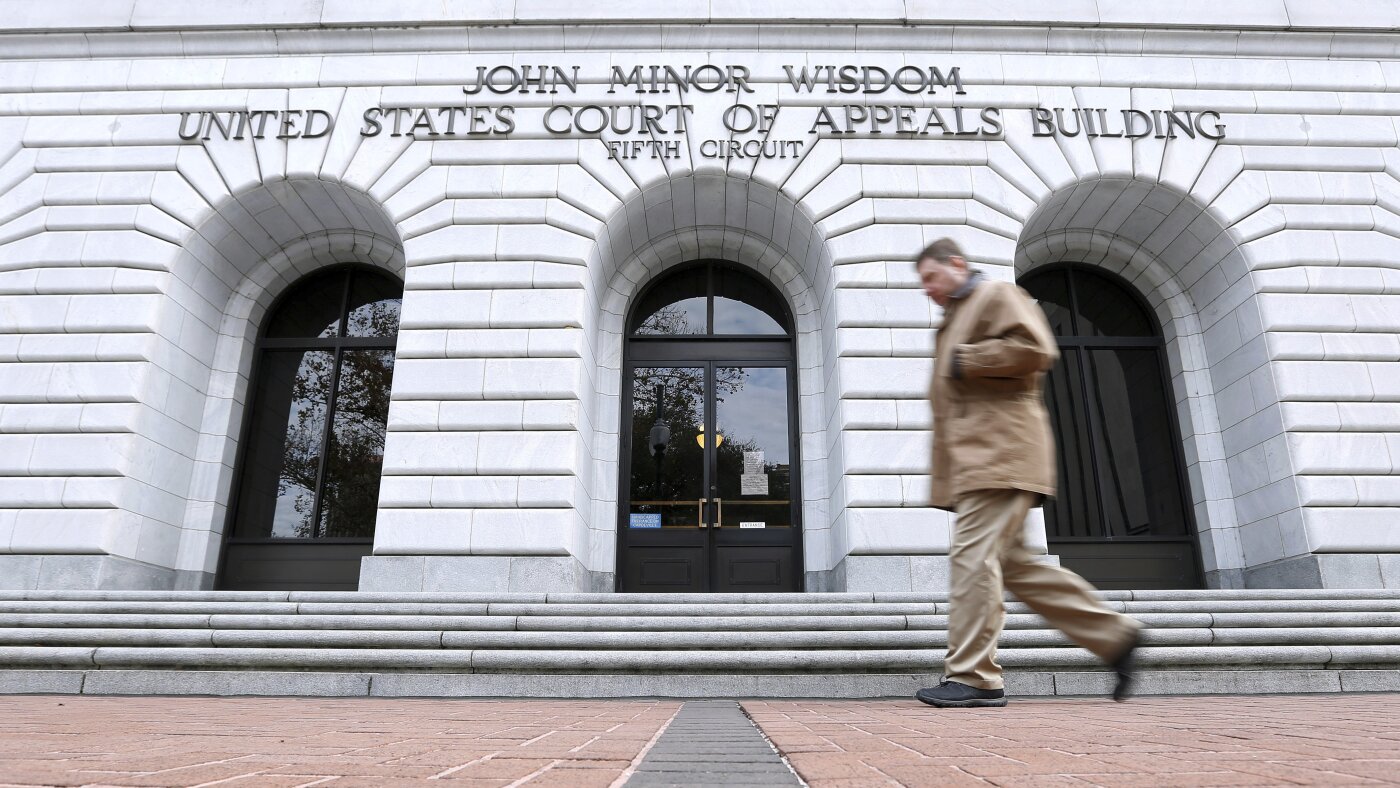
On May 1, 2026, the US Fifth Circuit Court of Appeals ruled that patients can only obtain mifepristone, the first pill in a two-drug medication abortion regimen, in person at a health center. The ruling would have ended telehealth prescriptions and mail delivery. On May 4, Justice Samuel Alito issued administrative stays in two cases, one brought by brand-name manufacturer Danco Laboratories and one by generic maker GenBioPro, pausing the Fifth Circuit's order until May 11 at 5 pm EDT. The Supreme Court's May 11 deadline means it must either extend the stay with full briefing or let the ban take effect. Oral arguments have not yet been scheduled.
SCOTUS will almost certainly extend the stay past May 11. The more important question it is dodging is whether the 5th Circuit had jurisdiction to issue this ruling at all, and why it waited for a post-Dobbs case with state standing to do what a unanimous Court said couldn't be done in 2024.
The Hidden Bet
The Supreme Court's 2024 unanimous ruling in FDA v. Alliance for Hippocratic Medicine settled the mifepristone question on standing
That ruling only said that the plaintiff doctors lacked standing because they couldn't show direct harm. Louisiana and other states suing as state AGs have a different theory of harm: they argue they bear costs from emergency care when medication abortions are incomplete. If the Court accepts that theory of standing, the 2024 ruling is a detour, not a destination.
Extending the stay is a safe procedural move that doesn't signal the Court's ultimate position
Alito is the most conservative justice on abortion, and he issued the stay. If even Alito concluded the 5th Circuit ruling was too aggressive to let stand, the underlying circuit decision may be on shakier legal ground than it appears. That matters because it means the Court might accept the case specifically to reverse the 5th Circuit, not to affirm it.
Telehealth access in permissive states is insulated from this ruling
The 5th Circuit's reasoning rests on FDA authority to authorize specific distribution channels. If that authorization falls, it falls nationally, not just in states that banned abortion. A provider in Massachusetts prescribing mifepristone via telehealth would also lose the legal basis for that prescription.
The Real Disagreement
The core tension is between two constitutional positions that cannot coexist: the FDA's authority to determine how approved drugs are distributed nationwide, and states' authority to regulate medical practice within their borders. Congress deliberately gave the FDA nationwide drug scheduling power to prevent a patchwork of state drug standards. The 5th Circuit's ruling says states can effectively override FDA distribution rules by claiming fiscal harm. If that theory holds, every federal drug approval is contestable by any state AG willing to claim emergency room costs. The abortion dimension makes this politically legible; the pharmaceutical precedent is far larger. The Court that wants to limit federal agency power has to either affirm the 5th Circuit and blow up FDA drug distribution authority, or reverse it and implicitly say Chevron deference has limits but FDA distribution rules are fine. Neither is clean.
What No One Is Saying
The 5th Circuit ruling, if upheld, would give state attorneys general a template to challenge the distribution of any FDA-approved drug they find politically objectionable. Naloxone, hormonal contraception, and HIV antiretrovirals are all candidates. Mifepristone is the test case; the others are the payload.
Who Pays
Patients in states with abortion bans using telehealth from providers in permissive states
Immediately if stay expires without extension on May 11
If the 5th Circuit ruling stands without a federal override, the cross-state telehealth prescription model that has expanded abortion access since Dobbs collapses. These patients would need to travel to an in-person clinic, which in many cases means interstate travel.
Independent telehealth abortion providers
Immediately if stay expires
Companies that built business models around mail-prescription mifepristone face immediate revenue loss and potential liability under state law if forced to serve in-person only.
Danco Laboratories
Ongoing pending Court ruling
The brand-name manufacturer of Mifeprex has invested in telehealth distribution infrastructure and faces direct revenue impact from any return to in-person dispensing requirements.
Scenarios
Stay Extended, Case Accepted
SCOTUS extends the administrative stay, agrees to hear the case in the October 2026 term, and issues a decision by June 2027. Telehealth access continues during litigation. The Court reverses the 5th Circuit on FDA distribution authority grounds.
Signal Court issues a full stay with briefing schedule before May 11.
Stay Expires, Chaos
Court lets stay expire on May 11 without action. Telehealth providers immediately suspend mifepristone prescriptions nationwide. States with permissive abortion laws pass emergency laws within days; states with bans move to prosecute providers.
Signal No order from SCOTUS by May 11 at 5 pm EDT.
Narrow Ruling
SCOTUS accepts the case and issues a ruling that preserves telehealth access in permissive states while allowing restrictive states to enforce in-person requirements. Creates a de facto national patchwork tied to state abortion law rather than FDA authority.
Signal Oral argument focuses on state versus federal preemption rather than FDA drug approval authority.
What Would Change This
If Louisiana drops its lawsuit or the state AG offices find a political reason to withdraw, the entire case collapses for lack of plaintiffs. That is possible but requires political will that doesn't currently exist. Also: if Congress passes federal legislation confirming FDA distribution authority, the circuit court ruling becomes moot.