Alito Saves the Abortion Pill. For One Week.
What happened
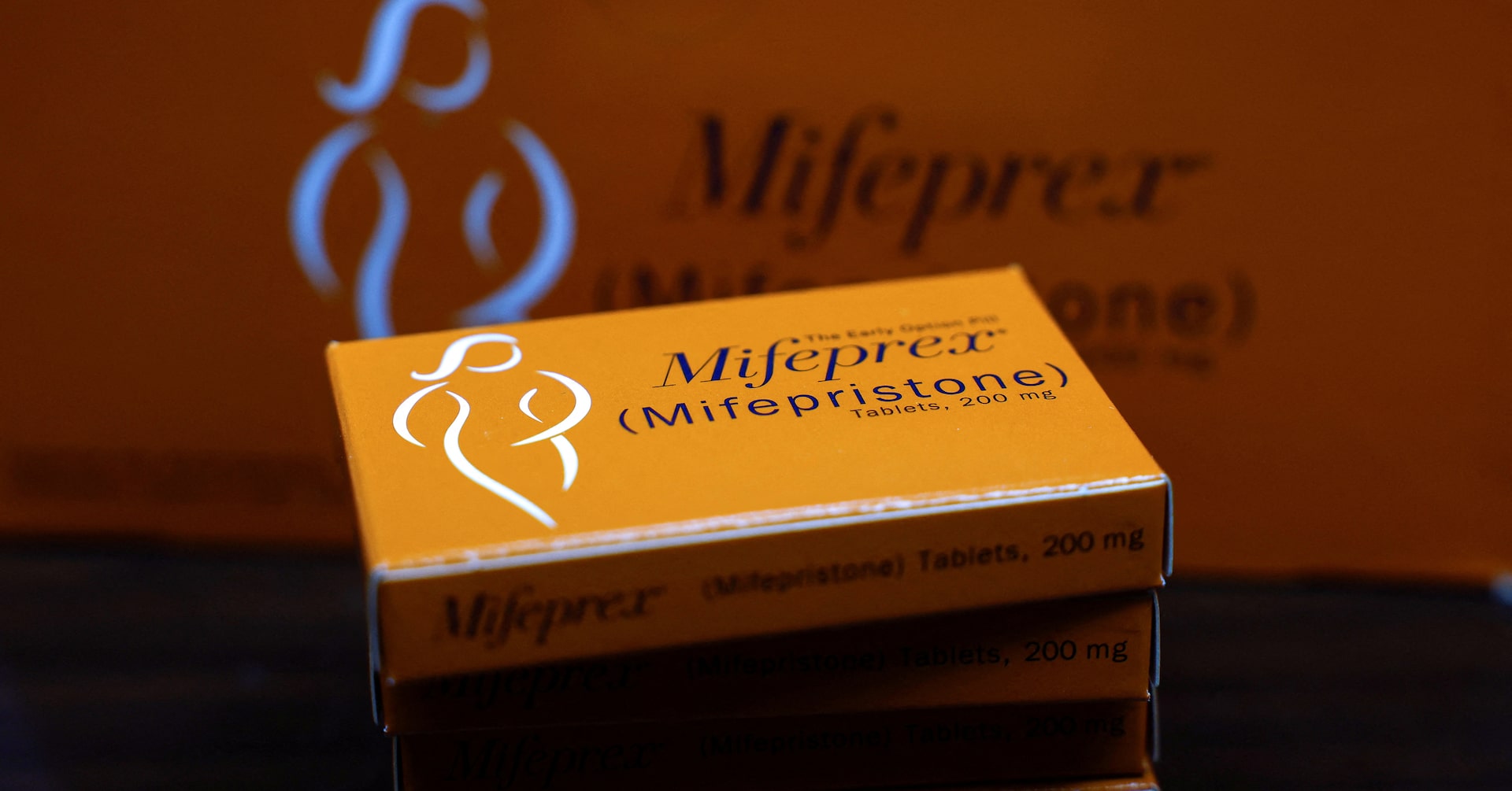
The 5th U.S. Circuit Court of Appeals ruled on Friday that mifepristone, the most common method of medication abortion in the United States, may only be dispensed in person at clinics and cannot be prescribed via telemedicine or sent by mail. The ruling overturned FDA regulations that had allowed mail distribution since 2021, affecting access for millions of patients, particularly in states with limited clinic access. On Monday, Justice Samuel Alito issued an administrative stay halting the 5th Circuit's order until 5 p.m. May 11, while the full Supreme Court considers an emergency appeal from Danco Laboratories and GenBioPro, the drug's manufacturers. The manufacturers are also asking the court to take the case and decide the merits.
Alito's one-week stay is not a reprieve; it is a countdown. The same justice who wrote Dobbs now controls whether a nationwide mifepristone mail ban takes effect, and the court that eliminated abortion rights has seven days to decide whether to take the case that could restrict the most common abortion method in America.
The Hidden Bet
The administrative stay signals that SCOTUS is sympathetic to preserving mifepristone access
Administrative stays are routine procedural tools that buy time; they say nothing about the merits. Alito issued this stay while simultaneously authoring the VRA ruling that stripped minority voting protections. A stay is not a vote.
The 5th Circuit ruling is clearly an outlier that will not survive SCOTUS review
The 5th Circuit is the same court that has issued multiple rulings hostile to FDA authority in recent years. The legal theory, that Louisiana has standing to challenge FDA rules and that FDA exceeded its authority, has not been definitively rejected by the current court. Three justices ruled for mifepristone restrictions in 2024; the court's composition has not changed.
Restricting mail access is primarily a red-state problem for states that have already banned abortion
Roughly 40% of US abortions now use mifepristone obtained via telehealth and mail, including in states where abortion is legally protected. A nationwide FDA rule restriction would apply everywhere, regardless of state law.
The Real Disagreement
The actual tension is not between pro-choice and anti-abortion camps. It is between two views of what federal agencies are allowed to do. One view says Congress gave the FDA broad authority to determine drug safety and access, and that authority is not subject to override by states or individuals who disagree with a specific drug. The other view says a state or private party that objects to a federally approved drug's distribution rules can bring that to courts, which can second-guess FDA decisions on standing and authority grounds. The current 5th Circuit embodies the second view. If SCOTUS accepts it, there is no stable floor of federal regulatory authority on drugs: any state attorney general with a political objective can attack any FDA rule in the 5th Circuit. The lean here is that SCOTUS will ultimately refuse to let the 5th Circuit rule stand on procedural grounds, but may do so narrowly, leaving the legal theory intact for future attacks.
What No One Is Saying
The political timing here is not accidental on either side. Democrats need abortion access as a 2026 mobilization issue. The 5th Circuit delivered it. The question is whether Republicans who control multiple state legislatures want this issue live before November, or whether it is more dangerous than useful to them. The administrative stay until May 11 is a one-week delay that drags the question into midterm-season politics regardless of how the court ultimately rules.
Who Pays
Patients in rural and low-income areas who rely on telehealth
Immediate if the stay expires May 11 without further action
If the 5th Circuit ruling takes effect, accessing mifepristone requires an in-person clinic visit. For patients without nearby clinics, without time off work, or without transportation, this is a functional ban even in states where abortion is legal.
Danco Laboratories and GenBioPro
Ongoing pending litigation
The drug manufacturers face direct commercial loss if mail distribution is permanently banned. They have the most direct legal interest in the case and will push aggressively for SCOTUS review.
Democratic Party strategists
Political benefit beginning now, through November 2026
The abortion issue has been the most reliable Democratic mobilization tool since Dobbs. This ruling reinjects maximum-salience abortion politics into the 2026 cycle at exactly the right moment for Democratic base motivation.
Scenarios
SCOTUS takes the case and rules broadly
The court agrees to hear the merits and issues a ruling that either definitively protects or definitively restricts mifepristone mail access. A broad ruling restricting access would be the most significant abortion ruling since Dobbs.
Signal The court grants certiorari before May 11 and issues a longer stay pending full briefing
Stay expires, 5th Circuit order takes effect temporarily
If Alito does not extend the stay before May 11 and the full court does not act, the 5th Circuit's order takes effect nationwide. States immediately see disruption in telehealth abortion access. Emergency appeals follow.
Signal No further SCOTUS order by 5 p.m. May 11
Court rejects the 5th Circuit on standing, dodges the merits
SCOTUS rules that Louisiana lacked standing to challenge FDA distribution rules, which terminates this case without a merits ruling. Mifepristone mail access is restored, but the underlying legal theory survives for future plaintiffs with arguably better standing.
Signal Alito's eventual opinion focuses on standing doctrine rather than the substantive FDA authority question
What Would Change This
If a conservative justice signals in a concurrence or public statement that the 5th Circuit's standing theory is wrong as a matter of law, the bottom line about a seven-day countdown shifts: the court would be clearly moving toward dismissal rather than a merits ruling.
Related
The 5th Circuit Ended Telehealth Abortion. SCOTUS Has One Week to Decide if It Agrees.
ethicsThe Abortion Pill Gets Three More Days. Every Three Days.
powerThe Supreme Court Has Until Monday to Save Telehealth Abortion Access. It Probably Will. That's Not the Point.
ethicsThe 5th Circuit Rewrites Who Gets an Abortion