The 5th Circuit Rewrites Who Gets an Abortion
What happened
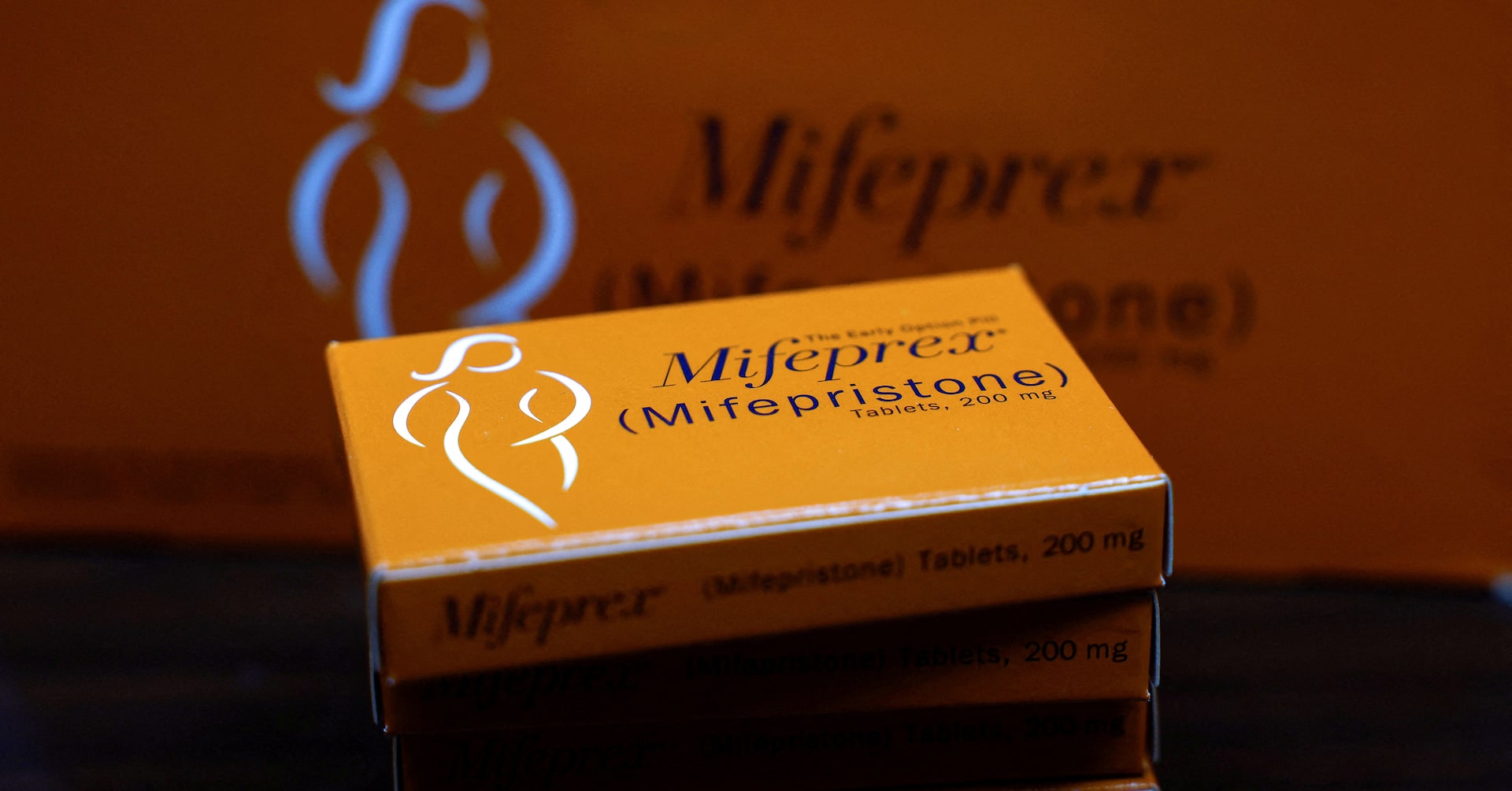
The 5th Circuit Court of Appeals reinstated requirements that mifepristone, the first pill in a two-drug medical abortion regimen, must be obtained in person rather than through mail-order pharmacy. The ruling temporarily blocks a Biden-era FDA regulatory update that had allowed the drug to be prescribed via telemedicine and sent through the mail. The case is brought by antiabortion medical groups in Alliance for Hippocratic Medicine v. FDA. The ruling is nationwide in effect, meaning it applies even in states where abortion is legal. A prior SCOTUS ruling in 2024 dismissed the same plaintiffs for lack of standing, but the case returned on different grounds.
The 5th Circuit has effectively turned geography into policy: women in states with legal abortion but limited clinic access now face the same barriers as women in states that have banned it.
The Hidden Bet
This ruling only affects antiabortion states.
The ruling is a nationwide injunction. It applies in California, New York, and Massachusetts equally. The restriction hits hardest in rural areas of blue states, where clinic access is sparse and telemedicine was the functional alternative. The idea that blue states are insulated from this ruling is wrong.
The Supreme Court will ultimately strike this down as it did the prior version.
The prior dismissal was on standing grounds, not on the merits of whether FDA exceeded its authority in permitting mail-order distribution. This version of the case advances a different legal theory. The current Court composition, with three Trump-appointed justices, makes a merits-based ruling on FDA authority a genuinely uncertain outcome.
The ruling will be stayed before it causes significant harm.
The 5th Circuit's order is already in effect. Emergency stay motions take time. The gap between ruling and stay, measured in weeks, is enough to force thousands of women to make logistical decisions they cannot undo.
The Real Disagreement
The actual fork is between two readings of what the FDA's regulatory authority covers. One reading: the FDA can determine drug safety and distribution pathways, and allowing mail-order mifepristone is a factual conclusion about safety, not a policy choice about abortion. The other reading: mail-order access to an abortifacient is effectively a policy on abortion, which Congress or the states must decide, not an administrative agency. Both readings are internally coherent. The first reading is the correct one: FDA's job is drug safety, and the safety record of mifepristone over 25 years is unambiguous. Allowing a medical group to challenge safety-based regulatory decisions in court on the grounds that the drug enables something they oppose morally would unravel FDA's authority over dozens of other drugs.
What No One Is Saying
The antiabortion coalition's goal here is not just restricting mifepristone. It is establishing that federal courts can override FDA risk evaluations when the plaintiff has a moral objection to the drug's use. That precedent would apply to contraception, to medications used in gender-affirming care, and eventually to any drug whose use touches contested values. The abortion pill is the test case for a much broader attack on FDA finality.
Who Pays
Women in rural counties of legal states
Immediate, effective from the date of the ruling.
Telemedicine abortion was specifically adopted by providers to reach women who cannot travel 2-4 hours to the nearest clinic. This population, disproportionately lower-income and without paid leave, faces the sharpest cost: travel, childcare, time off work, and potential missed windows of eligible gestational age.
Telemedicine abortion providers
Immediate.
Companies and nonprofits built on the mail-order model must now either redirect patients to in-person clinics or stop prescribing in states where no partner clinic exists. Their operational model is temporarily illegal.
FDA as an institution
Long-term, if the case reaches a merits ruling at SCOTUS.
If this line of litigation succeeds on the merits, it establishes that courts can second-guess FDA risk-benefit determinations based on third-party moral objections rather than scientific evidence of harm. That is a structural degradation of the agency's authority.
Scenarios
Emergency stay granted
A circuit or SCOTUS justice grants an emergency stay of the 5th Circuit's order while appeals proceed. Mail-order access resumes. The underlying legal question remains unresolved for another 12-24 months.
Signal A stay motion is filed within 48 hours and a justice signals receptiveness by requesting a response brief on an expedited schedule.
SCOTUS takes the merits
The Court agrees to hear the case on the merits of FDA's authority, creating a landmark ruling on whether courts can override drug safety determinations based on objectors' moral claims. Outcome is genuinely uncertain under the current composition.
Signal Four justices vote to grant certiorari within 60 days of the 5th Circuit's ruling.
In-person requirement holds through election cycle
No stay is granted, no expedited SCOTUS review. The restriction remains in place through mid-2027. Mail-order abortion effectively ends in practice regardless of state law. The political salience of this ruling drives voter mobilization.
Signal Emergency stay is denied in the first 30 days and no certiorari vote is scheduled.
What Would Change This
If the 5th Circuit's ruling is premised on a specific factual claim about mifepristone's safety record that can be contradicted by published evidence, a stay application built on that rebuttal could succeed on different grounds. The bottom line changes if this becomes a factual dispute rather than a legal authority dispute.