Trump Pulls Troops From Germany. Spain and Italy Are Next.
What happened
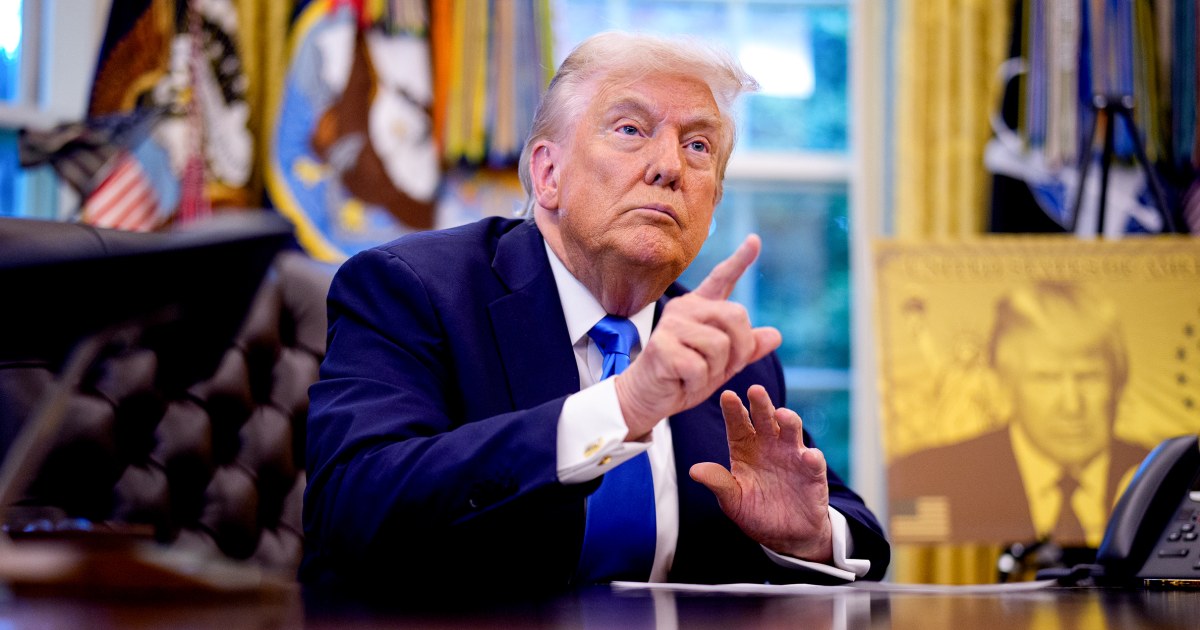
The Pentagon announced Friday it would withdraw roughly 5,000 US troops from Germany over the next 6-12 months, representing about 14% of the 36,000 American service members stationed there. The announcement followed a public clash between Trump and German Chancellor Friedrich Merz, who called the US Iran war strategy ill-conceived and said Iran was 'humiliating' Washington. Trump confirmed Saturday he is also considering troop cuts in Spain and Italy, telling reporters Italy had 'not been of any help' and Spain was 'horrible, absolutely horrible.' NATO Secretary General Rutte visited the White House the same week; NATO said afterward it was 'willing to play a role' in protecting the Strait of Hormuz.
Trump is converting the US troop presence in Europe from a mutual defense commitment into leverage in a war that most of NATO didn't sign up for, and the alliance's silence on whether that trade is acceptable is itself an answer.
Prediction Markets
Prices as of 2026-05-03 — the analysis was written against these odds
The Hidden Bet
The withdrawal is a pressure tactic, not a genuine strategic shift, and will reverse when Europe becomes more cooperative.
The decision was framed as a 'force posture review' and signed off by Defense Secretary Hegseth, not just floated rhetorically. Once troops move, the infrastructure adjusts and the reversal cost rises steeply. Trump said he'd reduce Germany 'a lot further' than 5,000.
European defense can absorb the gap by spending more and building joint capabilities faster.
The US doesn't just provide troops. It provides command and control infrastructure, nuclear umbrella credibility, and ISR capacity that Europe cannot replicate in 6-12 months. The gap is qualitative, not just numerical.
Russia reads the withdrawal as an opening and accelerates in Ukraine.
Russia is already stretched thin and just suffered its first net territorial loss in months. The withdrawal signals opportunity but the Russian military may not have the capacity to capitalize immediately. Polymarket puts a ceasefire before June 30 at just 9.5% chance, suggesting the war continues regardless.
The Real Disagreement
The genuine fork is whether the NATO alliance is a security institution with obligations that transcend bilateral politics, or a transactional arrangement where protection scales with compliance on unrelated issues. Trump's position is explicit: it's transactional. The European position is nominally the former but practically the latter whenever American force is absent. You can't hold both. If NATO is binding, Trump's withdrawal is a treaty violation in spirit and a gift to every adversary watching. If it's transactional, every future crisis becomes a hostage negotiation. The lean here is that the transactional logic, once established in practice, cannot be walked back, which means the institutional reading is already dead and Europe knows it.
What No One Is Saying
Germany and France have nuclear weapons programs, official and unofficial, they've been quietly accelerating. The longer this goes, the more countries decide the American nuclear umbrella is a conditional product, not a guarantee, and start shopping for their own. The troop withdrawal is not the most dangerous part of this story.
Who Pays
Eastern NATO members, especially Poland and the Baltic states
Immediate deterrence impact; military planning horizon shifts in weeks, not months.
Troops withdrawing from Germany shift west from the frontier where deterrence actually matters. Poland in particular has invested heavily in a US-backed defense posture; the credibility of that posture erodes when the patron demonstrates withdrawal is available as a punishment tool.
European defense companies and governments planning long-term procurement
Medium-term, 1-3 years as procurement cycles adjust.
Any European defense buildup assumes a stable baseline of US commitments to plan around. If that baseline is now politically variable, procurement timelines and cost-sharing frameworks built over decades become unreliable, forcing expensive contingency planning.
US service members and their families stationed in Germany
6-12 months, as announced.
Forced relocation over 6-12 months with significant family and career disruption; Germany hosts critical medical infrastructure including the Landstuhl military hospital that treats war casualties.
Scenarios
Leverage Works
European allies quietly provide logistical support or intelligence sharing on Iran, Trump suspends further withdrawal, and the 5,000 becomes a warning rather than a precedent. NATO formally endorses a Strait of Hormuz role.
Signal NATO secretary general announces a formal maritime role in the Persian Gulf; Trump posts approvingly about European allies 'stepping up.'
Ratchet Effect
Spain and Italy withdrawals proceed after further diplomatic friction. By end of 2026, the US footprint in Europe is below 70,000 for the first time since before 9/11. European rearmament accelerates but cannot close the deterrence gap in time.
Signal A second Pentagon announcement naming Spain or Italy; Euronews and Der Spiegel editorials calling the alliance 'hollowed out.'
Full Break
A Russian escalation in Ukraine or Baltic state probing forces NATO to invoke Article 5 with diminished US presence. US either declines to honor the commitment, exposing the alliance as dead, or honors it under duress, forcing a reversal and humiliating Trump.
Signal Russia moves above-threshold against a NATO member; Article 5 consultations begin.
What Would Change This
If Trump reinstates the 5,000 without publicly extracting a concession from Europe, the withdrawal was a bluff and the transactional logic recedes. If NATO formally takes on a Persian Gulf role and Trump frames that as the deal, the alliance survives in altered form. Neither has happened.
Related
Europe Is Taking Over NATO. Washington Hasn't Noticed It's Losing the Alliance.
powerTrump Pulls 5,000 Troops from Germany. NATO's Nervous System Just Got Cut.
powerEurope Is Building a NATO Without the US. Germany Just Agreed to Help.
conflictTrump Pulls 5,000 Troops from Germany. NATO's Eastern Flank Is Now Improvising.