The Dollar Is Down 10%. Nobody Agrees on What That Means.
What happened
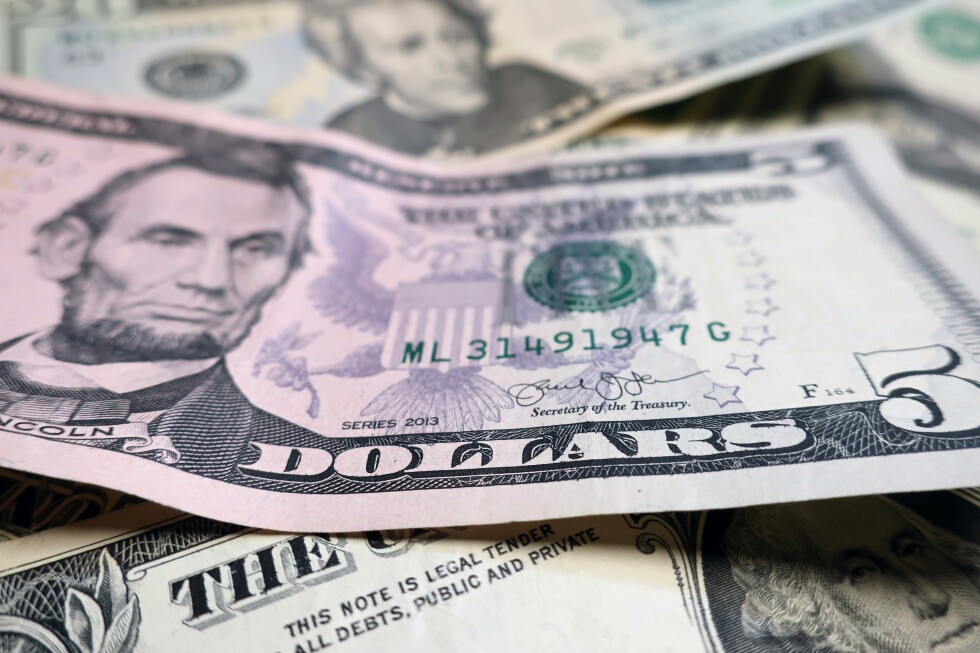
The U.S. dollar has fallen roughly 10% against a basket of major currencies since Trump returned to office in January 2025. The drop is raising the cost of imports, travel, and consumer goods for American households. At the same time, BRICS nations are advancing alternative payment systems: China's CIPS settled the equivalent of $245 trillion in yuan in 2025, a Russian-backed institute launched a gold-backed BRICS currency pilot called The Unit, and India is formally proposing CBDC interoperability among BRICS nations for the 2026 summit. Bloomberg reported this week that Gulf states are quietly inquiring about alternatives after Trump politicized the Fed's swap line decisions.
The dollar's decline is not just a currency story. It is a trust story. Every sanction, every politicized swap line, every tariff that a court has to reverse is evidence that dollar-denominated commitments carry political risk. That evidence is accumulating in central banks that are quietly rebalancing.
Prediction Markets
Prices as of 2026-05-03 — the analysis was written against these odds
The Hidden Bet
De-dollarization is a slow, theoretical process that won't materialize for decades
The structural shift is already happening in settlement systems, not in headlines. China's CIPS now handles $245 trillion annually. mBridge, the CBDC corridor that bypasses SWIFT, is operational. These are not proposals. They are working infrastructure that existing dollar-dependent trade can migrate to incrementally.
A weaker dollar helps American exporters and therefore the economy
The mechanism works in a world where the U.S. exports manufactured goods. America's real exports are financial claims, services, and dollar hegemony itself. A weaker dollar makes those exports cheaper, which is the opposite of what reserve currency status requires. The U.S. needs foreigners to want to hold dollars, not to sell them.
The Fed can stabilize the dollar by raising rates if needed
The Fed is trapped between a labor market that is cooling and inflation that is reaccelerating, partly caused by the weaker dollar. Rate hikes to support the dollar would crash a slowing labor market. The FOMC just split 8-4. The tool that normally defends reserve currency status is unavailable.
The Real Disagreement
The genuine fork is between two models of what causes reserve currency status to persist or collapse. One model says the dollar is self-reinforcing: oil is priced in dollars, global debt is denominated in dollars, those facts create demand that is extremely hard to dislodge regardless of political noise. The other model says reserve status is a trust relationship that erodes gradually then suddenly: as alternatives become functional and U.S. policy becomes unpredictable, the marginal choice to hold dollars versus alternatives shifts, and marginal choices aggregate into structural change. The first model says 2026 is noise. The second says this is how it starts. The available evidence favors the second model: CIPS volumes, mBridge progress, Gulf inquiries, and a 10% drop are not noise.
What No One Is Saying
The Trump administration's tariff and sanctions policy has been the best marketing campaign BRICS monetary alternatives have ever had. Every time the U.S. weaponizes dollar access, it answers the question 'why would you want an alternative system?' The administration is simultaneously undermining the dollar's value and demonstrating why you would want to exit it.
Who Pays
American consumers buying imported goods
Already in progress; accelerates over next 6-12 months as importers renegotiate contracts
Every 10% decline in the dollar raises import prices by roughly 10%, offset by how much of the cost is absorbed in margins. This hits food, electronics, and clothing disproportionately.
Countries with dollar-denominated debt
Immediate; ongoing
A falling dollar reduces their debt burden in local currency terms, which is a short-term benefit. But dollar weakness is often accompanied by capital flight from emerging markets as investors price in instability, tightening the very credit conditions that dollar debt requires.
U.S. Treasury
Slow-burn over 2-4 years if the shift is gradual; faster if a shock event triggers portfolio rebalancing
If foreign central banks reduce dollar reserves, demand for U.S. Treasuries falls and yields rise. The U.S. government is already issuing $723 billion in securities per week to refinance existing debt. Higher yields make that refinancing progressively more expensive.
Scenarios
Managed decline
The dollar stabilizes at current levels. BRICS alternatives gain share in bilateral trade but do not challenge dollar dominance in global finance. The U.S. continues to run large deficits financed by foreign demand that remains adequate if diminished.
Signal Dollar index stabilizes above 95; Treasury yields stay below 5% on 30-year; no major central bank announces a reduction in dollar reserve targets
Tipping point
A second geopolitical shock, a Fed policy error, or a major sanctioned country successfully completing a large transaction via mBridge triggers a visible rebalancing. Central banks that have been privately diversifying announce it publicly. The dollar falls another 10-15%.
Signal Saudi Arabia completes an oil sale in yuan; Fed raises rates but dollar continues falling; 30-year Treasury yield breaks 5.5%
Dollar trap holds
The structural dependency on dollar infrastructure proves stickier than analysts expected. BRICS alternatives remain useful for bilateral trade but cannot substitute for deep dollar liquidity in a crisis. The 10% decline reverses as the Iran war ends and trade uncertainty resolves.
Signal Iran ceasefire deal signed; EUR/USD retreats below 1.15; offshore dollar deposits (now at $14 trillion) continue growing
What Would Change This
If BRICS CBDC interoperability fails at the technical layer, or if the Iran war ends and U.S. foreign policy stabilizes, the de-dollarization case weakens significantly. If China faces its own financial instability, the yuan alternative collapses and dollar demand rebounds as a flight to safety.
Related
Inflation Just Crossed Above the Fed's Policy Rate for the First Time in Three Years
decisionThe Inflation Number Lands Three Days Before the New Fed Chair Does
decision115,000 Jobs in April. The Iran War Hasn't Hit the Labor Market. Yet.
decisionPowell's Last Meeting. Four Dissents. And Warsh Waiting.