Trump Extended a Ceasefire That Lebanon Cannot Keep
What happened
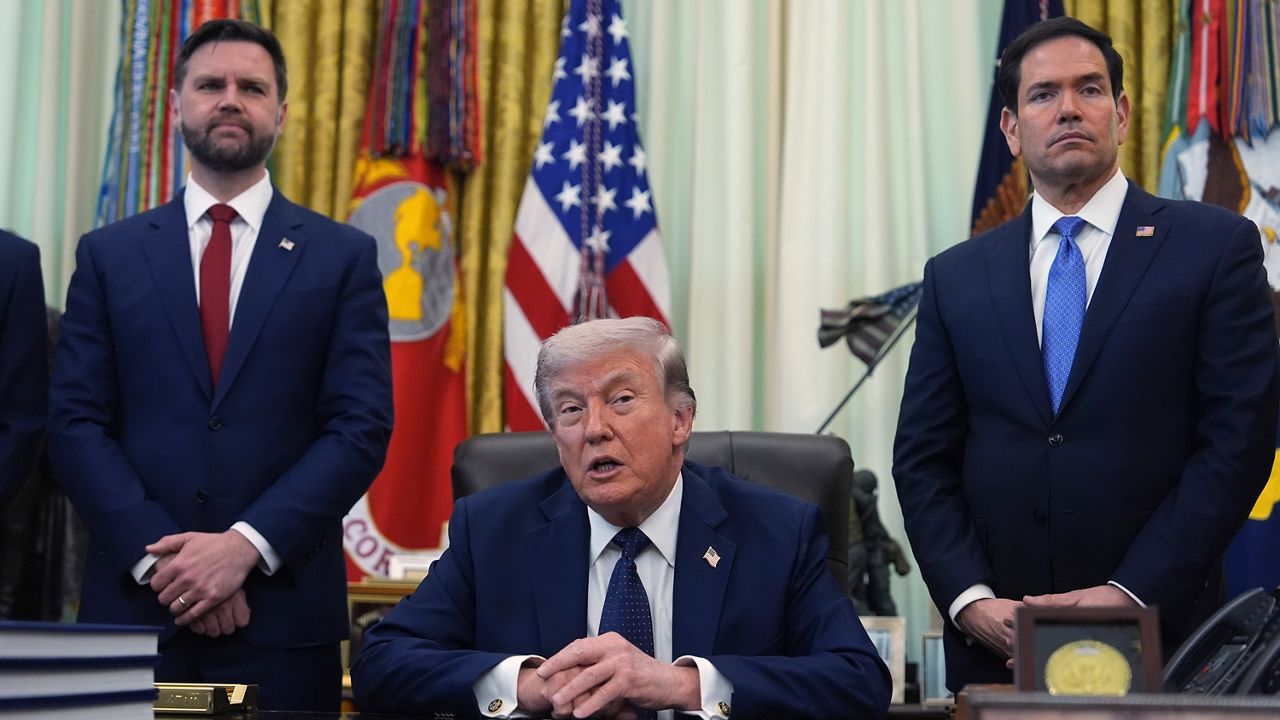
President Trump announced on April 23 that Israel and Lebanon agreed to extend the existing ceasefire by three weeks, following a second round of ambassador-level talks at the White House with Israeli and Lebanese officials. Trump expressed hope for a historic three-way meeting and a potential peace deal. He also stated that any Iran nuclear deal must include terms barring Tehran from funding Hezbollah. A UN peacekeeper died from wounds sustained in Lebanon during the current ceasefire period. Both Israel and Hezbollah have previously accused each other of ceasefire violations. The Lebanese government signed the extension but Hezbollah, which operates as an independent military force inside Lebanon with Iranian backing, was not a party to the White House talks.
The ceasefire is signed by the wrong party. Lebanon's government can agree to anything. It does not control Hezbollah. Every extension that treats the Lebanese state as the relevant interlocutor is a diplomatic performance that defers rather than resolves the underlying military reality.
Prediction Markets
Prices as of 2026-04-24 — the analysis was written against these odds
The Hidden Bet
A peace deal between Israel and Lebanon is achievable on a short timeline.
The permanent peace deal would require Hezbollah to disarm or be disarmed, Israeli military withdrawal from southern Lebanon, and a Lebanese state capable of enforcing its own sovereignty. None of these conditions exist. The Lebanese military cannot confront Hezbollah. Iran has not agreed to reduce its support. Israel has not committed to full withdrawal. A deal signed by diplomats without resolving any of these would be a document, not a settlement.
Linking the Iran nuclear deal to Hezbollah funding creates leverage on Tehran.
Iran has consistently treated its nuclear program and its regional proxy network as separate dossiers. A demand that Iran defund Hezbollah as part of nuclear talks is a maximalist position that Iran has refused for two decades. Inserting it now either signals the nuclear talks are theater, or signals Trump is willing to trade the nuclear constraint in exchange for Hezbollah terms Iran will eventually offer and then not keep.
A ceasefire that holds at the ambassador level is progress.
Hezbollah is not represented in these talks. A UN peacekeeper died in Lebanon during the current ceasefire window. Ground-level violations are ongoing. The ceasefire holds at the diplomatic level because both sides find it convenient to let time pass, not because the military actors have changed their objectives.
The Real Disagreement
The genuine tension is between two theories of what Trump is doing here. Theory one: Trump is laying the groundwork for a real deal, using the Iran nuclear negotiation as leverage to reshape the regional architecture, and the Lebanon talks are a genuine step toward normalization. Theory two: Trump is collecting diplomatic photos before the Iran negotiation reaches a crisis point, and the Lebanon extension is a way to keep one front quiet while the harder question is unresolved. The market says a permanent Israel-Hezbollah peace deal by May 31 has roughly a 9.5% probability. That is not a number consistent with theory one. It is consistent with theory two.
What No One Is Saying
The Lebanese state is being asked to sign a peace agreement it cannot enforce with a militia it cannot control over territory it does not occupy. When that deal eventually fails, the failure will be attributed to Lebanon, not to the structure of the negotiation. This gives Israel a legal and rhetorical basis for further military action in Lebanon that is pre-cleared by a peace process that Lebanon agreed to and Hezbollah ignored.
Who Pays
Lebanese civilians in southern Lebanon
If the truce expires mid-May without a sustainable agreement.
If the three-week extension expires without a deal and Israel resumes operations, the population that returned to areas near the border during the ceasefire faces displacement again on a compressed timeline.
UN peacekeepers in Lebanon (UNIFIL)
Ongoing, with elevated risk if the ceasefire deteriorates.
Continue operating in a zone where both Israel and Hezbollah maintain military activity, with rules of engagement that prevent them from enforcing the ceasefire against either party. A peacekeeper already died during this extension.
Iran nuclear negotiation
Becomes relevant within the current round of Iran nuclear talks, ongoing in April-May 2026.
Adding Hezbollah funding as a required term of any Iran deal effectively raises the price of the nuclear agreement to a level Tehran will refuse, potentially giving hardliners in both the US and Iran an excuse to let talks collapse.
Scenarios
Truce extended again, no deal
The three-week extension expires without a framework agreement. Trump announces another extension. Hezbollah continues low-level operations in southern Lebanon. The pattern of renewable ceasefires replaces a resolution indefinitely.
Signal Trump announces a fourth ceasefire extension before the current three weeks expire, without announcing any substantive framework.
Iran deal unlocks Lebanon track
The US-Iran nuclear negotiations produce an agreement that includes side terms on Hezbollah funding. Iran reduces weapons transfers to Hezbollah as part of sanctions relief. The Lebanon track becomes more tractable without a confrontation.
Signal A US-Iran nuclear framework is announced before mid-May and explicitly mentions Iranian proxy funding restrictions.
Hezbollah provocation ends ceasefire
A Hezbollah military action, either a rocket attack or a cross-border raid, triggers an Israeli military response that the Lebanese government cannot stop and the ceasefire does not cover because Hezbollah was never a party to it.
Signal A significant Hezbollah weapons shipment is interdicted by Israel, or a Hezbollah unit engages Israeli forces in a defined military action rather than a localized incident.
What Would Change This
If Hezbollah publicly endorses the ceasefire framework, or if Iran makes a concession on regional proxy funding as part of nuclear talks, the bottom line shifts: the diplomatic structure becomes meaningful because it covers the actual military actor. If Israel withdraws from southern Lebanon before the three weeks expire, it would signal a genuine change in Israeli military posture rather than a diplomatic holding pattern.
Related
The Lebanon Ceasefire Is Holding on Paper and Collapsing on the Ground
conflictIsrael and Lebanon Have a Ceasefire. Hezbollah Is Not Part of It.
conflictIsrael and Lebanon Met in Washington. One Side Wanted a Ceasefire. The Other Wanted Disarmament.
conflictThe Ceasefire Has Three Versions. None of Them Cover Lebanon.