Israel and Lebanon Have a Ceasefire. Hezbollah Is Not Part of It.
What happened
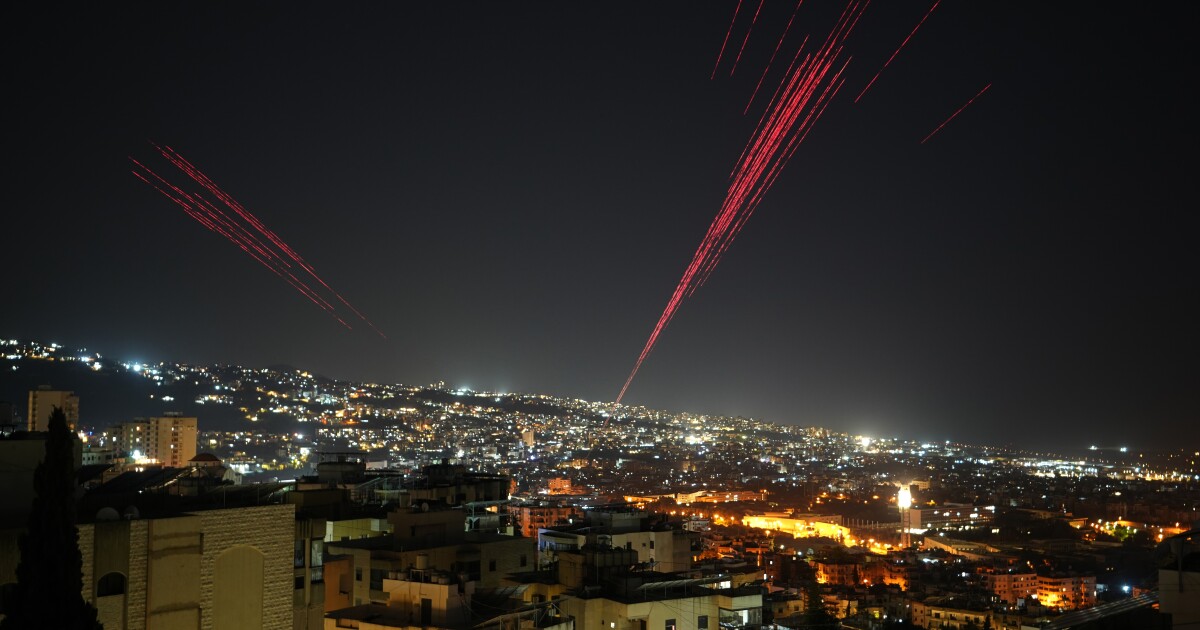
A 10-day ceasefire between Israel and Lebanon took effect on April 16 at 9 PM GMT, announced by Trump and agreed to after calls between him, Israeli Prime Minister Netanyahu, and Lebanese President Aoun. The deal is between Israel and Lebanon's government, not between Israel and Hezbollah, which did the vast majority of the fighting. Hezbollah acknowledged the ceasefire but said Israeli occupation on Lebanese territory gives the Lebanese people 'the right to resist,' a formula that preserves its military option. Israel reserved the right to strike at any time against 'planned, imminent, or ongoing attacks.' Israeli troops are holding positions up to 10 kilometers inside Lebanon and Netanyahu said they are not leaving. The deal resulted partly because Iran, in its own ceasefire negotiations with the US, insisted Lebanon be included, and Pakistan brokered the outcome.
This is a ceasefire between two governments over a conflict that one of them is not fully fighting. Lebanon's government does not control Hezbollah. Hezbollah has not disarmed. Israel has not withdrawn. The 10-day clock is a diplomatic interval, not a peace process.
Prediction Markets
Prices as of 2026-04-17 — the analysis was written against these odds
The Hidden Bet
Lebanon's government can enforce the ceasefire on its territory
The Lebanese government banned Hezbollah's military activities, declared Iran's ambassador persona non grata, and passed laws against the group's militancy. Hezbollah continued fighting anyway. The government's ability to compel Hezbollah is close to zero, and the ceasefire text acknowledges this by framing Lebanon's obligation as 'meaningful steps,' not disarmament.
The ceasefire is primarily about Lebanon
Iran demanded Lebanon be included in the US-Iran ceasefire deal. The Lebanon track exists because Tehran needed it as a negotiating condition. If the Iran-US talks collapse, there is no reason for the Lebanon ceasefire to survive, regardless of what the Lebanese government wants.
Past ceasefire failures make this one unusually fragile
The 2024 deal had 10,000+ violations and still held for months. Fragility and non-violation are not binary. A ceasefire can be technically violated while being strategically maintained, which is the most likely outcome: low-level Israeli strikes that neither side formally acknowledges as ceasefire violations.
The Real Disagreement
The core tension is between Lebanon's demand that a ceasefire precede any substantive talks, and Israel's insistence that talks must include Hezbollah's disarmament. Lebanon can only get the first. Israel will only accept the second. The ceasefire text sidesteps this by making disarmament aspirational and the ceasefire temporary. Ten days is not enough time to bridge that gap. The question is whether 10 days of quiet buys enough political capital to generate pressure for an extension, or whether the underlying incompatibility reasserts itself the moment either side sees an advantage. Israel has historically been the side that reasserts. That is what makes the market's 74.5% probability of extension by April 26 look optimistic.
What No One Is Saying
The ceasefire is not primarily a Lebanon story. It is an Iran story. Iran's negotiating team demanded Hezbollah's front be included in any deal before Tehran would move forward. The Lebanon deal happened not because Lebanon or Israel changed their positions, but because Iran needed it to justify its own negotiating track to the Iranian public and to Hezbollah's donors. Lebanon is a bargaining chip in someone else's deal.
Who Pays
1 million displaced Lebanese
Immediate and ongoing
The deal does not specify when they can return. Israel holds 10 km of southern Lebanon. Hezbollah says the right to resist applies as long as Israeli troops are present. Until Israeli withdrawal happens, returnees face live fire risk from both sides.
Lebanese government
10 days to know which problem
Lebanon agreed to direct talks with Israel for the first time since 1983, which Hezbollah called 'free concessions' to an enemy state. If the deal collapses, Lebanon has paid the political cost of the talks without gaining anything from them. If the deal holds, Lebanon faces pressure to actually disarm Hezbollah, which would likely trigger a domestic political crisis.
Global shipping and oil markets
Contingent on whether Lebanon ceasefire survives past April 26
The Lebanon ceasefire is tied to the Iran ceasefire. If Lebanon collapses and Iran uses it to exit negotiations, Hormuz reopening reverses, oil spikes, and shipping insurance costs resurge.
Scenarios
Extended Pause
The 10-day ceasefire is extended by mutual agreement. Israeli troops remain in southern Lebanon. Hezbollah refrains from firing but maintains its weapons and position. Formal peace talks begin but stall on the disarmament sequence. The ceasefire lasts months in a frozen-conflict state.
Signal Lebanon and Israel agree to extend by April 24, and Hezbollah makes no public statement rescinding its 'right to resist' language.
Ceasefire Collapses at Day 10
Either Israel strikes a target it deems a threat or Hezbollah fires rockets in response to Israeli troop movements. Each side invokes the other's violation as justification. The 10-day framework expires without extension. Fighting resumes.
Signal Lebanon's National News Agency reports Israeli strikes south of the Litani within the first five days, or Hezbollah issues a statement calling a specific Israeli action a justification for response.
Linked to Iran Collapse
US-Iran negotiations break down over nuclear enrichment terms before April 22. Iran signals it is no longer bound by the conditions that led to the Lebanon deal. Hezbollah interprets this as freedom to resume. Israel does not wait.
Signal US-Iran talks end without an agreement by April 22 deadline, and a Hezbollah official explicitly links resumed fighting to the Iran track.
What Would Change This
If Israel withdraws its troops from any of the five occupied positions in southern Lebanon before the 10-day deadline, that is a signal the deal is intended to be real rather than tactical. No withdrawal has happened yet, and Netanyahu explicitly said there would be none.
Related
Trump Extended a Ceasefire That Lebanon Cannot Keep
conflictThe Lebanon Ceasefire Is Holding on Paper and Collapsing on the Ground
conflictIsrael and Lebanon Met in Washington. One Side Wanted a Ceasefire. The Other Wanted Disarmament.
conflictThe Ceasefire Has Three Versions. None of Them Cover Lebanon.