Trump's EPA Cuts Are Making the Air Dirtier. The People Breathing It Cannot Afford to Move.
What happened
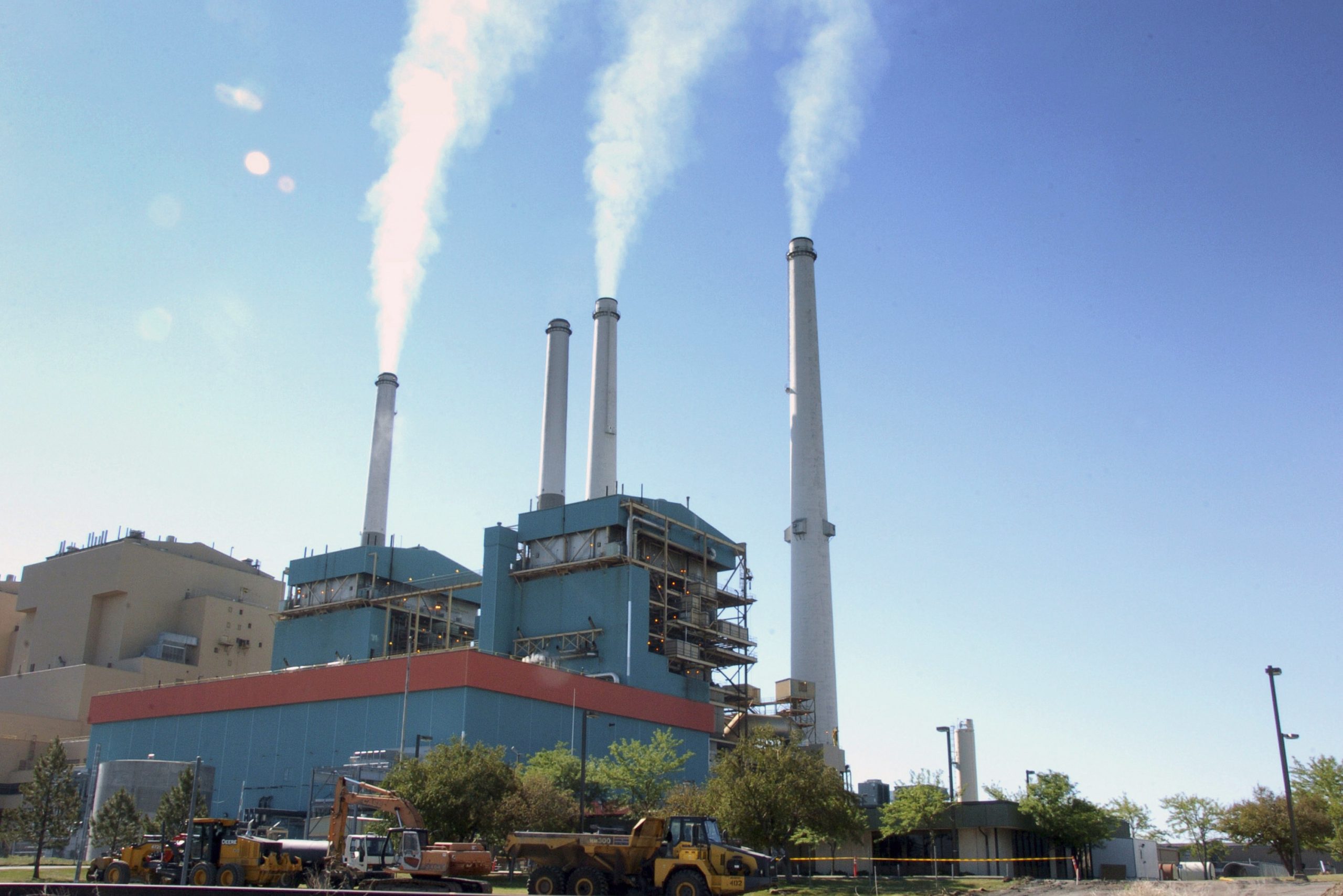
DOGE-led cuts at the Environmental Protection Agency have eliminated enforcement staff and canceled monitoring contracts across the country, with the reductions concentrated in enforcement and rulemaking divisions rather than administrative functions. New reporting shows that air quality is deteriorating in states where enforcement capacity has fallen, including industrial corridors that were already operating at or near federal threshold limits. The administration has made most of these changes through budget cuts and hiring freezes rather than formal rulemaking, which means the regulatory standards still exist on paper but have no enforcement mechanism behind them. A March 31 administration memorandum also directs federal agencies to prioritize livestock grazing on public lands, a change that affects dust and particulate matter levels in western states.
The administration has found a way to functionally eliminate environmental regulation without going through the legal process that would let it be challenged in court: they stopped hiring the people who enforce the rules.
The Hidden Bet
The regulatory rollback will face successful legal challenges that restore enforcement
Courts can overturn formal rules that were changed without proper notice-and-comment rulemaking. They cannot order the executive branch to hire specific staff or fund specific enforcement programs. The DOGE cuts work precisely because they are personnel decisions, not rule changes. There is no legal hook to restore a workforce that was deliberately reduced.
States can fill the enforcement gap where the federal government has retreated
Some blue states have stronger environmental agencies and will. But the states most affected by EPA enforcement reductions are often the same states with the weakest state-level environmental agencies and the most industrial pollution. The geography of harm and the geography of state capacity are almost perfectly misaligned.
The health impacts will be modest because the US air quality was generally good
The monitoring data being cut is what told us air quality was generally good. Without monitoring, we lose the ability to detect deterioration until it is visible, which for fine particulate matter means people are already getting sick. The absence of data is not evidence of absence of harm.
The Real Disagreement
The real tension is not between economic growth and environmental protection. The administration has framed it that way, but the cuts have not produced measurable economic growth in affected industries. The actual trade-off is between the short-term cost savings from eliminating enforcement staff and the long-term public health costs of the pollution those staff were preventing. The administration is externalizing costs from industries onto communities, and calling that deregulation. The counterargument is that the regulatory state had become so burdensome that meaningful cost savings required structural reduction rather than incremental change. That argument would be more credible if the cuts were targeted at inefficient processes rather than enforcement capacity.
What No One Is Saying
The administration cannot formally repeal the Clean Air Act standards it is de-enforcing because those standards have congressional authorization and public support. So instead it is leaving the standards in place and removing the institutional capacity to enforce them. This is functionally the same as repeal but requires no vote, no rulemaking process, and creates no clear legal target for a challenge. It is the most durable form of deregulation because it is the hardest to reverse.
Who Pays
Communities near industrial facilities in non-attainment zones
Ongoing; health effects from particulate matter exposure appear within months
Without enforcement staff, facilities operating at or above pollution thresholds have no compliance pressure. Fines go unissued. Violations go uninvestigated. The people breathing downwind of those facilities pay with respiratory illness, hospitalizations, and reduced life expectancy.
Children in high-pollution school zones
Ongoing; developmental effects are largely irreversible
Particulate matter and ozone are disproportionately harmful to developing lungs. The monitoring cuts mean that school districts in affected areas will not know their exposure levels until the data gap is eventually filled by independent researchers, likely years later.
Future EPA enforcement capacity
Long-term; the workforce attrition is a multi-year problem
Specialized environmental enforcement expertise takes years to develop. When experienced staff leave, their institutional knowledge goes with them. Even if a future administration wants to rebuild enforcement, the institutional capacity cannot be restored quickly by hiring new staff.
Scenarios
Litigation slows some cuts
Environmental groups and states challenge specific contract cancellations and enforcement rollbacks. Courts uphold some challenges where the administration changed formal rules without proper process. Enforcement is partially restored in contested areas.
Signal A federal court orders EPA to reinstate a specific enforcement program that was eliminated without notice-and-comment rulemaking.
Regulatory collapse continues
DOGE cuts deepen through 2026. States without strong environmental agencies lose effective federal air quality oversight. Industrial emissions in those states begin appearing in health data within 12-18 months. Political pressure builds but does not produce policy reversal before midterms.
Signal EPA's annual budget for enforcement falls below 50% of 2024 levels in Congressional appropriations.
Congressional pushback
Some Republican members from states with industrial pollution problems, particularly in the Midwest, push back on EPA cuts that are affecting their constituents. Farm bill negotiations create an opening to restore some monitoring funding.
Signal At least 10 House Republicans vote against EPA budget cuts in the FY27 appropriations process.
What Would Change This
If monitoring data from state-level programs shows measurable air quality improvement in areas where EPA enforcement was reduced, the bottom line would need revision. That would suggest the enforcement was itself inefficient rather than effective. There is no current evidence pointing in that direction.
Related
The EPA Deregulated 180 Polluters Via Email. It Called This the Biggest Deregulatory Action in US History.
powerThe EPA Just Deleted the Legal Foundation for Every US Climate Rule. 25 States Are Suing.
powerThe EPA Just Declared It Has No Legal Authority Over Climate Change
powerThe EPA Deleted the Legal Foundation for Every Federal Climate Rule. Zeldin Called It 'Vindication.'