The EPA Just Declared It Has No Legal Authority Over Climate Change
What happened
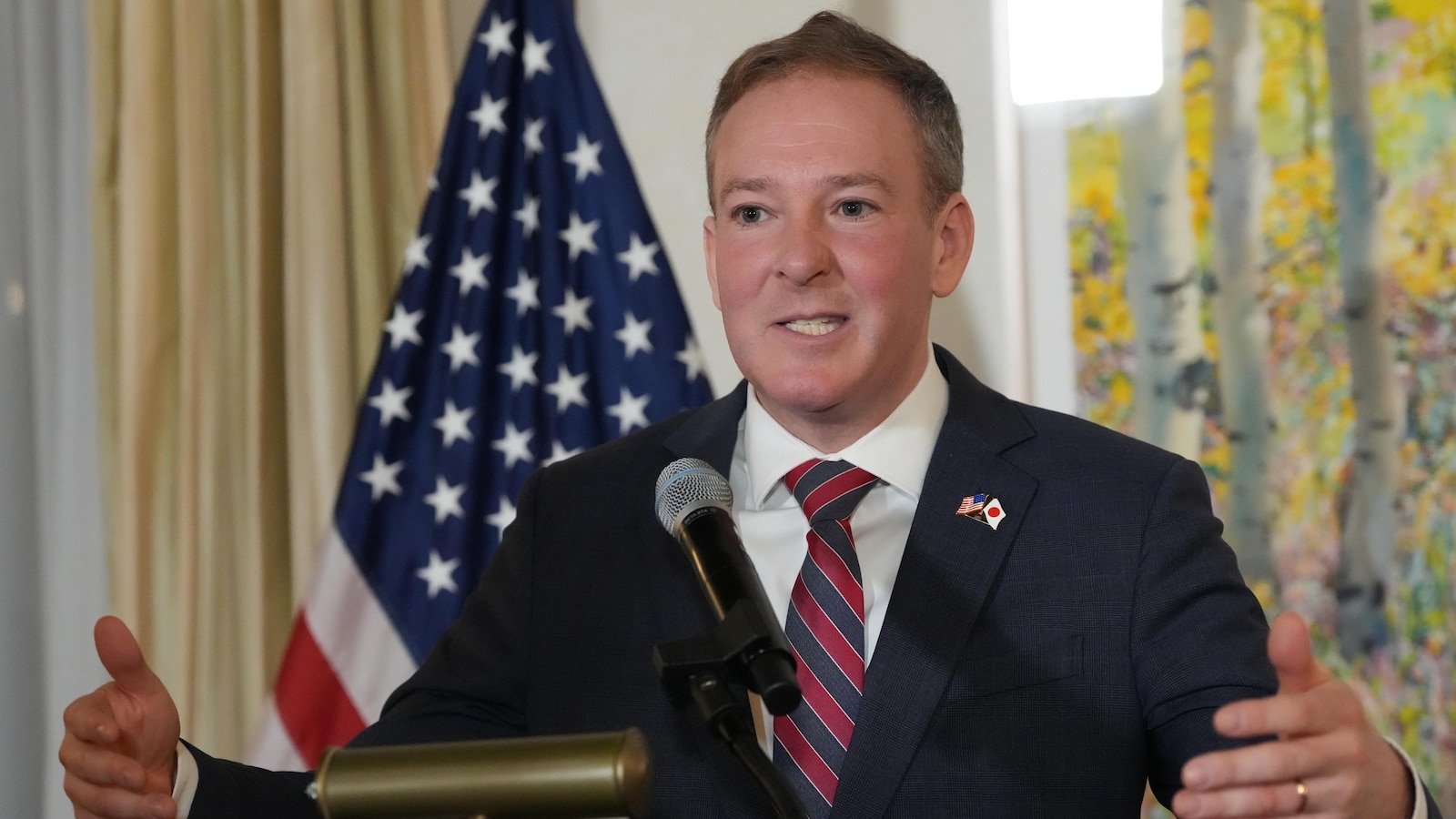
EPA Administrator Lee Zeldin spoke at the Heartland Institute's annual conference to celebrate the EPA's repeal of the 2009 endangerment finding, the scientific and legal determination that greenhouse gas emissions endanger public health and welfare. The finding had served as the legal basis for 16 years of federal climate regulation, from vehicle emissions standards to power plant rules. Zeldin told the audience this was 'a day to celebrate vindication.' The EPA has simultaneously declared it lacks legal authority to regulate climate change. Multiple states and environmental groups have filed legal challenges.
The administration has not repealed climate regulation. It has removed the legal foundation that made regulation possible, betting that courts will take years to restore it and Congress will not act.
The Hidden Bet
This is a policy dispute about the right approach to climate regulation.
The EPA did not replace the endangerment finding with a different regulatory framework. It declared itself legally unable to regulate the emissions at all. This is not a debate about how to address climate change. It is a decision to exit the question entirely.
Courts will restore the endangerment finding quickly.
The original finding survived a decade of legal challenges because it was grounded in comprehensive scientific review. But the repeal will itself go through lengthy litigation. Climate regulations struck down during this period cannot be retroactively reinstated. The regulatory gap compounds while the courts deliberate.
States can fill the federal vacuum on climate regulation.
California and other states have robust climate programs, but federal preemption fights will now accelerate. The EPA under this framework is more likely to use federal authority to block state action than to cede the field to it. States may find themselves fighting federal preemption at the same time they try to expand their own programs.
The Real Disagreement
The genuine tension is between two positions that each has something real behind it. One: democratic societies should make collective choices about regulating shared harms, and the endangerment finding was the mechanism through which the scientific consensus became a legal obligation. Two: a federal agency imposing economy-wide energy transformation through regulatory interpretation rather than congressional action is a genuine problem of accountability and democratic legitimacy, regardless of the underlying science. The administration has collapsed this into a science-denial framing that is dishonest, but the underlying accountability critique deserved a real answer that neither the Obama nor Biden administrations ever fully provided. The cost of not answering it was leaving the regulatory framework legally vulnerable to exactly this kind of reversal.
What No One Is Saying
Zeldin is widely considered the frontrunner for Attorney General after Pam Bondi's departure. His Heartland Institute speech was a loyalty demonstration to the Republican donor base that funds climate skepticism, delivered at a moment when his career advancement is at stake. The policy is also a personal audition.
Who Pays
Communities near power plants and industrial facilities
Begins immediately as enforcement lapses; compounds over years.
Without the endangerment finding, the EPA's authority to set emissions limits on power plants and vehicles collapses legally. States with weak environmental programs will see no replacement. Low-income and minority communities with higher industrial proximity face concentrated air quality degradation.
Clean energy investors
Medium-term; investment decisions already being repriced.
Federal regulatory certainty was a driver of long-term investment in renewable energy infrastructure. Without an EPA mandate framework, investment calculations shift. Some projects become uneconomical without federal demand signals.
US credibility in international climate negotiations
Immediate; diplomatic damage accumulates at each international meeting.
The US committed to emissions reductions in global climate frameworks partly on the basis of domestic regulatory authority. Withdrawing the legal basis for those commitments signals to other signatories that US climate agreements are contingent on election outcomes.
Scenarios
Courts Restore the Finding
Federal courts strike down the repeal on the grounds that the EPA's original scientific determination was not arbitrary and capricious, and must be replaced with an equivalent finding, not simply removed. A court-ordered pause on the repeal restores regulatory authority temporarily.
Signal A federal district court issues a preliminary injunction blocking the repeal within 60 days of the legal challenges being filed.
Congress Codifies It
A future Congress passes legislation either explicitly authorizing EPA climate regulation (if Democrats retake the House) or prohibiting it (if the current Congress acts). Either outcome resolves the legal ambiguity by removing it from agency authority entirely.
Signal A Senate vote on climate legislation reaches the floor within two years.
Regulatory Gap Persists
Legal challenges drag for years, the EPA uses its discretion to not enforce any climate rules, the Inflation Reduction Act tax credits remain but the regulatory mandate disappears. Clean energy investment slows in uncertain states; emissions from heavy industry increase.
Signal No preliminary injunction by July; EPA formally withdraws pending vehicle and power plant emissions rules.
What Would Change This
The bottom line would be wrong if Congress passed explicit climate regulation that did not depend on the endangerment finding, giving the regulatory program a democratic mandate that the agency-derived framework lacked. That would be a stronger foundation. There is no current evidence Congress is moving in that direction.
Related
The EPA Just Deleted the Legal Foundation for Every US Climate Rule. 25 States Are Suing.
powerThe EPA Just Erased the Legal Foundation for All Federal Climate Rules. The Courts Are the Only Thing Left.
powerThe Legal Spine of Climate Policy Just Broke
powerThe Deregulators Are Getting Blocked by Their Own Side