Zelenskyy Said Yes. Putin Said Nothing.
What happened
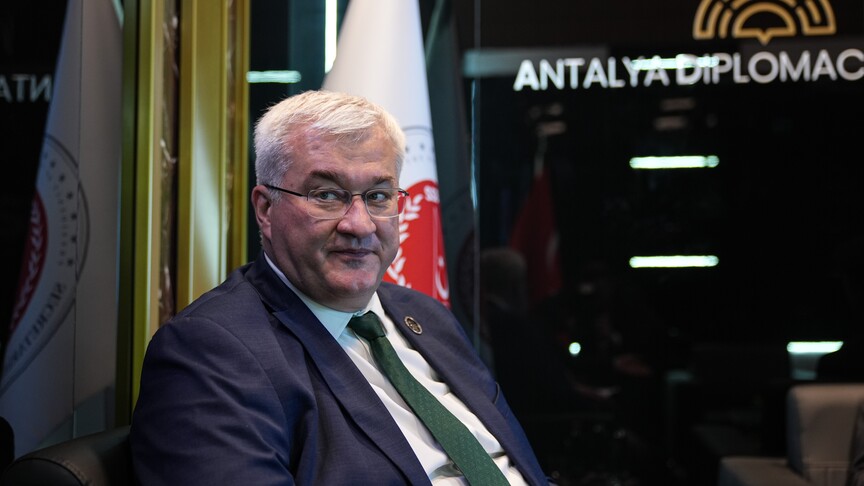
Ukrainian Foreign Minister Andrii Sybiha announced at the Antalya Diplomacy Forum on April 17 that President Zelenskyy is ready to meet Putin in Istanbul for direct peace talks, with Turkish President Erdogan and US President Trump also present. Erdogan immediately endorsed the proposal in a phone call with Zelenskyy. Russian Foreign Minister Lavrov said the same day that there are no concrete proposals for ending the conflict. Turkey described itself as ready to facilitate at every step. Ukraine's prime minister was simultaneously in Washington urging Congress to impose tighter sanctions on Russia.
Ukraine has made the public offer and Russia has declined to acknowledge it. That is not a stalemate. It is Ukraine winning the optics round while fighting on the ground continues, and the real negotiating happens somewhere else.
Prediction Markets
Prices as of 2026-04-18 — the analysis was written against these odds
The Hidden Bet
Russia's silence is a refusal
Russia's diplomatic pattern is to refuse public proposals while conducting private contact. Lavrov saying there are no concrete proposals does not mean no channel exists. The absence of a Russian counterproposal is different from the absence of Russian engagement.
Turkey is a neutral broker
Erdogan has material interests in a particular outcome: a settlement that preserves Ukrainian sovereignty enough to maintain Western trade relationships, but ends hostilities enough to restore the grain and energy corridors Turkey profits from. Turkey wants a deal more than it wants a just deal.
Trump's presence at a summit would be decisive
Trump has shown he wants a deal quickly and visibly. Putin knows this and can use it: delay talks long enough that Trump presses Zelenskyy to soften terms in exchange for getting the photo. Ukraine's simultaneous sanctions lobbying suggests they see this risk clearly.
The Real Disagreement
The real fork is whether a summit now helps Ukraine or Russia more. Ukraine says it needs talks to show Western publics progress and keep military aid flowing. Russia says it can afford to wait because time and attrition favor Moscow. Both are making a territorial bet: Ukraine needs to freeze the line before losing more ground; Russia needs to keep fighting until it can dictate terms. A summit without preconditions, which is what this proposal is, could lock in whatever line exists at the time of any agreement. Markets price a ceasefire by end of year at 29.5%. I would lean toward 35-40%, because Trump's pressure on Zelenskyy is real and underpriced, but the terms of any deal remain deeply contested.
What No One Is Saying
Zelenskyy's proposal is designed to be publicly refused by Russia, not to succeed. A Russian refusal at the Antalya Forum level keeps Western military aid flowing and keeps Ukraine morally positioned as the willing party. The proposal may never have been intended to produce a summit.
Who Pays
Ukrainians in frontline territories
Immediate and ongoing
Every week of negotiating delay while fighting continues is a week of casualties, infrastructure destruction, and territory lost or contested. The diplomatic timeline and the military timeline are not synchronized.
European governments committed to Ukraine
Medium-term, within 3-6 months of any deal announcement
Any summit that produces a bad deal gives domestic opponents of aid packages a concrete event to point to. A deal that concedes territory will fracture European political support faster than a continued war will.
Trump
Immediate, as soon as any summit is scheduled
If he attends a summit that fails or produces a deal Zelenskyy later repudiates, he owns the failure. His incentive is to push Ukraine toward accepting terms rather than risk the summit collapsing on camera.
Scenarios
Theatrical proposal, no summit
Russia continues to decline engagement, citing procedural objections. Ukraine continues the diplomatic offensive in Western capitals. The proposal serves its political purpose without a summit occurring. The war continues.
Signal No Russian response of any kind within 30 days; Ukraine increases the frequency of weapons request visits to Washington and Brussels
Talks, no deal
Delegation-level talks resume in Istanbul at Turkey's mediation. Both sides present maximalist positions. Talks stall on territorial status. A nominal ceasefire is announced that neither side fully observes. The line roughly freezes.
Signal Russia agrees to send delegation-level negotiators but not Putin; talks are announced as exploratory
Summit produces a framework
Trump pressures Zelenskyy into accepting a deal that freezes the current line with security guarantees short of NATO membership. Russia accepts because it keeps occupied territories. Ukraine accepts because the alternative is continued loss. Europe is presented with a fait accompli.
Signal Trump announces the US will withhold military aid pending a Ukrainian commitment to talks; Zelenskyy's tone toward Washington hardens publicly
What Would Change This
If Russia proposes its own summit format or accepts the Istanbul framework without preconditions, the analysis changes: Russia has decided it wants to lock in current gains rather than risk further fighting. That would mean Putin has assessed the military situation as having peaked in Russia's favor.