Approved, Blocked, Halted
What happened
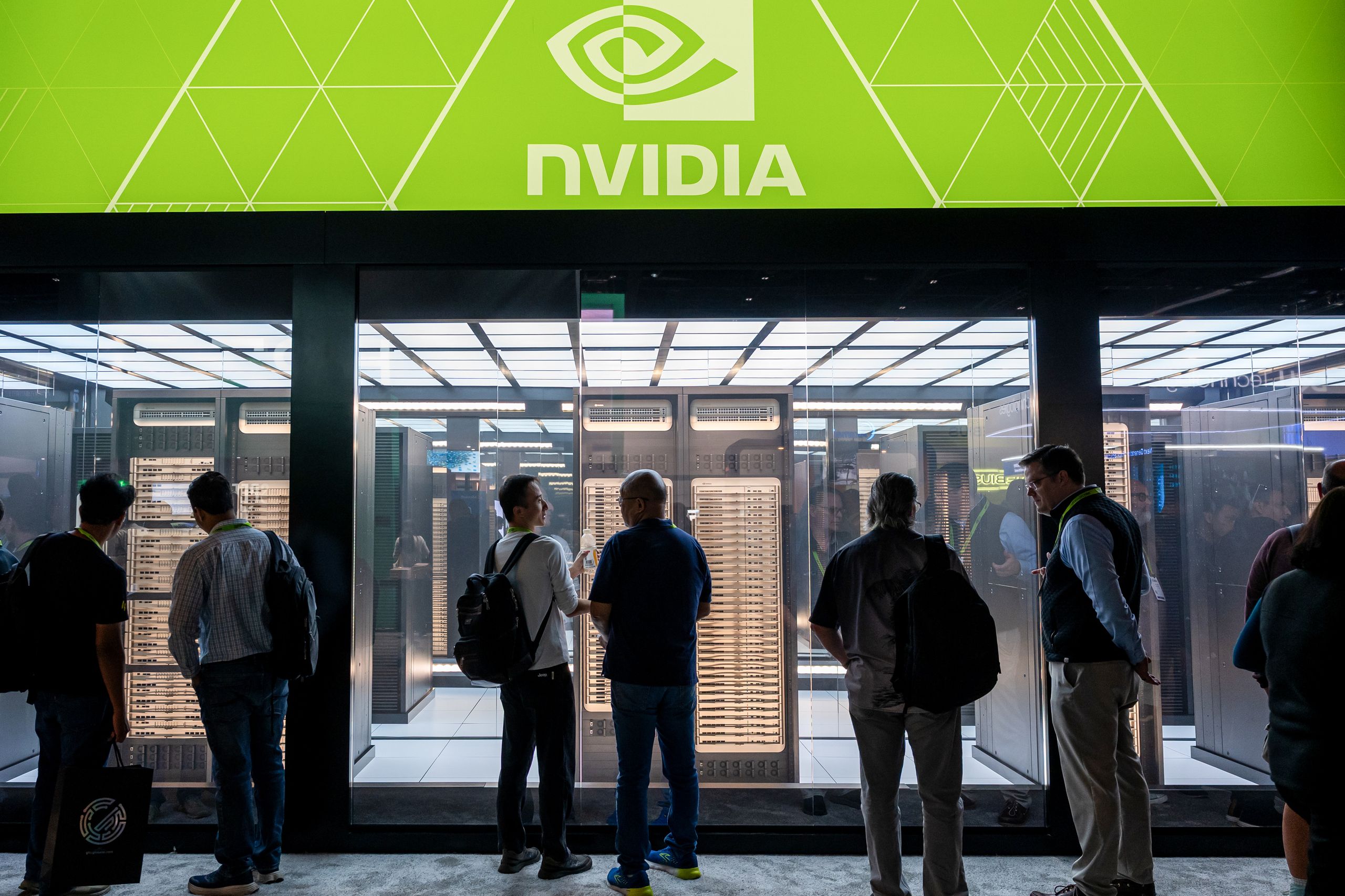
In late 2025, Trump reversed Biden-era export controls and approved Nvidia's H200 chips for sale in China. Nvidia lobbied hard for the reversal and immediately ramped up production, with more than 1 million orders from Chinese clients expected. Starting in April 2026, Chinese customs officials began physically blocking H200 shipments from entering the country. Suppliers of critical components, including printed circuit board makers, have now halted production. The situation creates a simultaneous double blockade: on the US side, the Bureau of Industry and Security has lost 19 percent of its staff, approval processing times have stretched to months, and the Under Secretary of Commerce is personally reviewing almost every chip export license application.
Nvidia is caught between two governments that each claim to want its chips in China and are both, through different mechanisms, preventing that from happening. Trump's diplomatic win on H200 approvals was real. The chips still cannot move.
Prediction Markets
Prices as of 2026-04-18 — the analysis was written against these odds
The Hidden Bet
China's customs blockade is a deliberate policy retaliation for US tariffs.
The blockade may reflect internal Chinese bureaucratic hesitation rather than coordinated policy. Chinese local customs officials have significant discretion. The central government may not have ordered this, which means it could resolve quickly or it could become entrenched in ways that are harder to undo than a formal policy decision.
The BIS staffing collapse is a temporary management problem that will be fixed.
BIS lost experienced export control specialists who left because of DOGE-adjacent cuts. Those skills take years to rebuild. The Under Secretary's bottleneck is not just a process flaw; it is a political choice to centralize control. Neither of those problems fixes itself quickly.
Nvidia's production ramp creates pressure that will force a resolution.
Sunk production costs on H200 components create pressure on Nvidia's suppliers, not on governments. China does not need H200s on the timeline Nvidia needs revenue from them. The leverage is asymmetric.
The Real Disagreement
The real disagreement is whether this represents a durable architecture for chip trade or a temporary chaos that both governments will stabilize around their interests. Bulls on a resolution argue that money talks: Nvidia's lobbying capacity, China's AI ambitions, and Trump's transactional instincts create a deal that clears both blockades. Bears argue that the BIS staffing collapse means the US cannot actually execute any deal it makes, and China's customs behavior reflects a structural shift in which chips are treated as geopolitical leverage rather than imports to be processed. The bear case is more credible here because neither of the two blocking mechanisms is under anyone's direct control: BIS cannot approve chips faster without staff it has already cut, and Chinese customs cannot be diplomatically pressured in the same way a ministry can. A deal at the top does not clear the pipes at the bottom.
What No One Is Saying
Trump approved H200 sales partly as a favor to Nvidia, which has significant political relationships with his administration. The approval was political theater with no operational implementation plan. Nobody in the approval chain thought through how chips would actually move given the BIS staffing situation and the unresolved tension in China-US trade.
Who Pays
Nvidia's H200 component suppliers
Immediate; production halts are already active
Suppliers who ramped production expecting 1 million-unit orders now face halted lines and inventory that cannot be sold. The cost of the production pause falls directly on them, not on Nvidia.
Chinese AI companies and data center operators
Q2-Q3 2026
Companies that pre-ordered H200s for AI infrastructure buildout face indefinite delays. Alternatives exist but are more expensive and involve lead times that set back projects by months.
BIS career staff
Ongoing, accelerating
The remaining 80 percent of BIS staff are processing a workload that has expanded with new tariff investigations and AI chip reviews while headcount has shrunk. Burnout and further attrition compound the bottleneck they are already inside.
Scenarios
Diplomatic patch
Trump and Chinese leadership reach a side agreement that instructs customs to process H200 shipments. BIS fast-tracks approvals by concentrating staff on chip licenses. Shipments resume within 60 days. Nvidia's suppliers restart production.
Signal A joint US-China trade statement specifically referencing semiconductor export procedures and customs clearance timelines.
Frozen indefinitely
Neither government resolves its internal blocking mechanism. Customs officials maintain the blockade without formal policy authorization, and BIS approvals continue running months late. Nvidia writes down H200 production costs and reallocates manufacturing capacity to other markets. Chinese clients pivot to Huawei's Ascend chips.
Signal Nvidia announces a reallocation of H200 manufacturing capacity away from China-bound orders by Q3 2026.
Escalation loop
China formalizes the customs blockade as an official export control response to US tariffs. The US responds with additional restrictions. H200s become the focal point of a broader chip trade war that includes AMD and Intel products.
Signal China's Ministry of Commerce issues a formal notice on semiconductor import restrictions citing IEEPA or tariff equivalents.
What Would Change This
Evidence that BIS has reversed its staffing decline and is processing chip export licenses in weeks rather than months. That would mean the US side of the blockade is clearing, which would increase the cost to China of maintaining the customs freeze and create real negotiating pressure.