Justice Jackson Says the Supreme Court Is Rubber-Stamping Illegal Policies. She Is Probably Right.
What happened
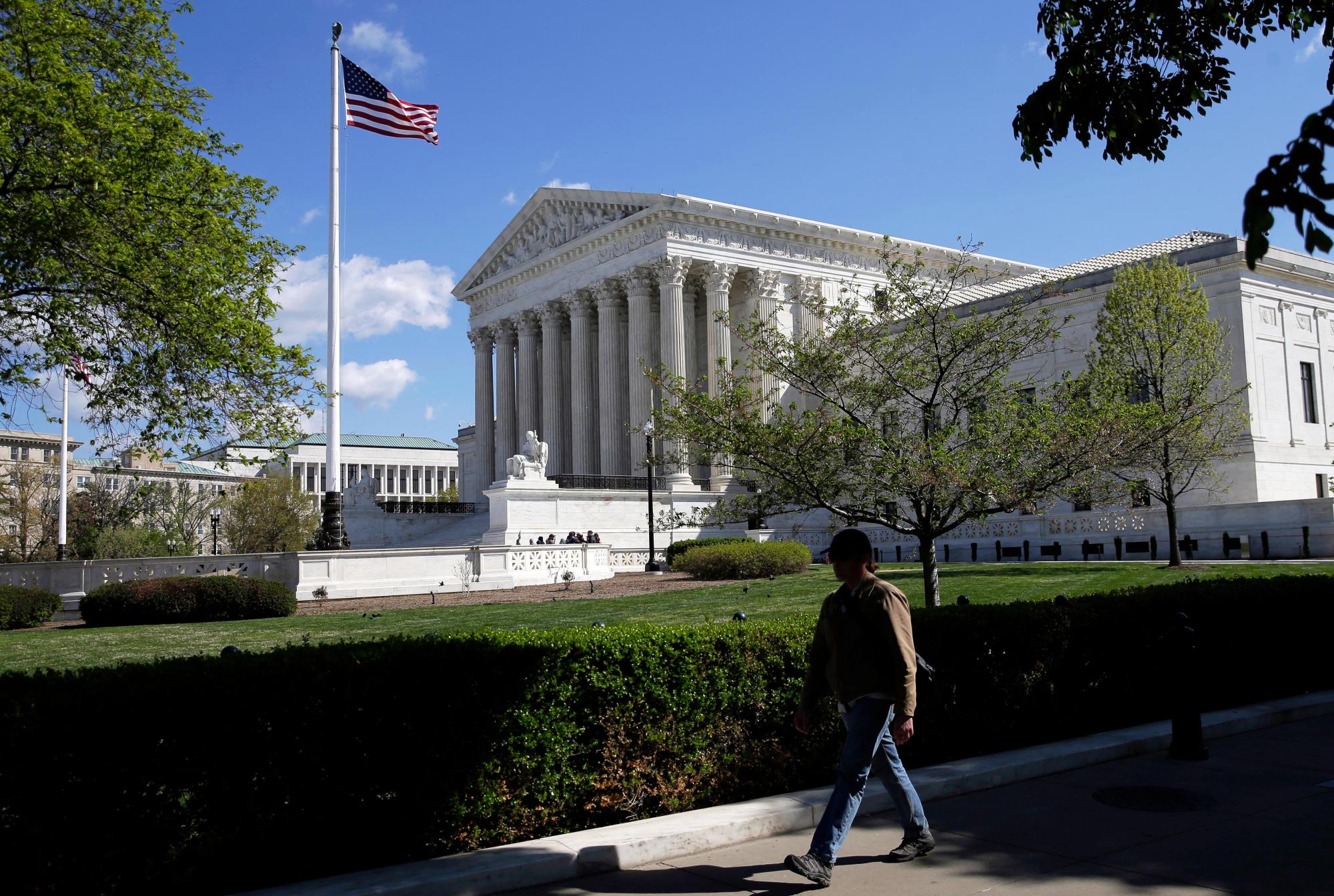
Supreme Court Justice Ketanji Brown Jackson delivered a nearly hour-long lecture at Yale Law School on April 14, directly attacking her conservative colleagues' use of emergency orders to let the Trump administration implement policies that lower courts had ruled were likely illegal. She called the orders 'scratch-paper musings' that 'seem oblivious and thus ring hollow,' and criticized the court for then applying those un-reasoned emergency orders as if they were precedent. Justice Sonia Sotomayor made similar remarks at the University of Alabama days earlier. Together, the two liberal justices have gone outside the court to make their case publicly, an unusual move that signals the minority has concluded internal dissent is no longer enough.
When two sitting justices tell law students the court is issuing legally meaningless orders to help one president, they are describing a legitimacy crisis, not a procedural disagreement.
Prediction Markets
Prices as of 2026-04-17 — the analysis was written against these odds
The Hidden Bet
Emergency orders are temporary and neutral: they just pause things while the case proceeds.
Jackson's central point is that 'temporary' is a fiction. The orders have allowed Trump's immigration enforcement, funding cuts, and other policies to proceed for many months. By the time the underlying cases are resolved, the facts on the ground have changed. The order does the work that a ruling would have done, without the reasoning that a ruling requires.
Public criticism from dissenting justices is unusual but ultimately harmless to the institution.
Jackson and Sotomayor are not just venting. They are building a public record: a documented argument that the conservative majority is acting without legal justification. That record can be used by lower courts, legislators, and future administrations to delegitimize specific orders. The speeches are part of a strategy, not a release valve.
The conservative majority will be chastened by the public criticism and add more explanation to future orders.
The majority has shown no sign of changing behavior. Issuing unexplained orders is faster and carries less political risk than writing a reasoned opinion that can be picked apart. The incentive structure runs against transparency.
The Real Disagreement
The real fork is between two views of what courts are for. One view: courts exist to resolve specific disputes, and emergency orders are a pragmatic tool to prevent irreversible harm while a case develops. The other: courts derive their authority from reasoning, and orders without reasoning are not law, they are power dressed up as law. Jackson's position is the second one. The majority's practice reflects the first. The problem is that the first view, taken to its limit, allows any court to act on any policy preference by calling it an emergency. The conservative justices would say they are preventing irreversible harm from rogue lower-court injunctions. Jackson would say they are the ones causing irreversible harm. Both are right about what the other side is doing. The difference is that the majority has five votes and the minority has two, so the majority's theory of courts is the one that currently applies.
What No One Is Saying
Jackson and Sotomayor are essentially arguing that the court is no longer a neutral institution, but neither can say so directly without triggering a constitutional crisis. Their speeches are as close to that claim as anyone in robes can get.
Who Pays
Immigrants subject to emergency-order deportation
Already happening.
Lower courts found Trump's deportation policies likely violated due process. Emergency orders overrode those findings, allowing deportations to proceed. For some of those individuals, there is no legal remedy once they are removed.
Federal agencies and grantees subject to funding cuts
Ongoing.
Emergency orders allowed Trump to implement spending freezes while courts reviewed their legality. Some grantees lost months of funding and may not recover it even if courts eventually rule in their favor.
The Supreme Court's institutional authority
Slow burn.
The court's power rests on public acceptance of its legitimacy. When two of its own justices publicly describe the majority's orders as 'scratch-paper musings,' they are publicly pricing in a discount on the court's credibility. This compounds over time.
Scenarios
Status quo holds
The majority continues issuing emergency orders at roughly the current rate. Jackson and Sotomayor continue dissenting publicly. A handful of lower court judges start citing the speeches in opinions questioning whether emergency orders are binding precedent. Nothing structurally changes.
Signal The court issues its next batch of emergency orders without adding explanatory language.
Congressional response
Democrats in Congress use Jackson's speech as a legislative hook to introduce shadow docket reform: requiring the court to publish reasons for emergency grants, or requiring the full court to consider them. The bill goes nowhere in the current Senate but builds political salience for 2027.
Signal A Democratic senator cites Jackson's Yale speech in a floor statement within three weeks.
Legitimacy cascade
A lower court explicitly declines to follow an emergency order on the grounds that it lacks legal reasoning, citing Jackson's critique. The Supreme Court is forced to either explain itself or summarily reverse the lower court. Either way, the emergency order system is formally contested in a way it has not been before.
Signal A federal district court judge issues a written opinion questioning whether an emergency order should be treated as precedent.
What Would Change This
If the conservative majority began adding even brief legal reasoning to emergency orders, Jackson's core criticism would be addressed. If a future case showed that the emergency orders caused a specific individual to be deported and killed, the political and legal stakes of the current practice would escalate sharply.