The Spring Housing Market Is Dead. Oil at $115 Killed It.
What happened
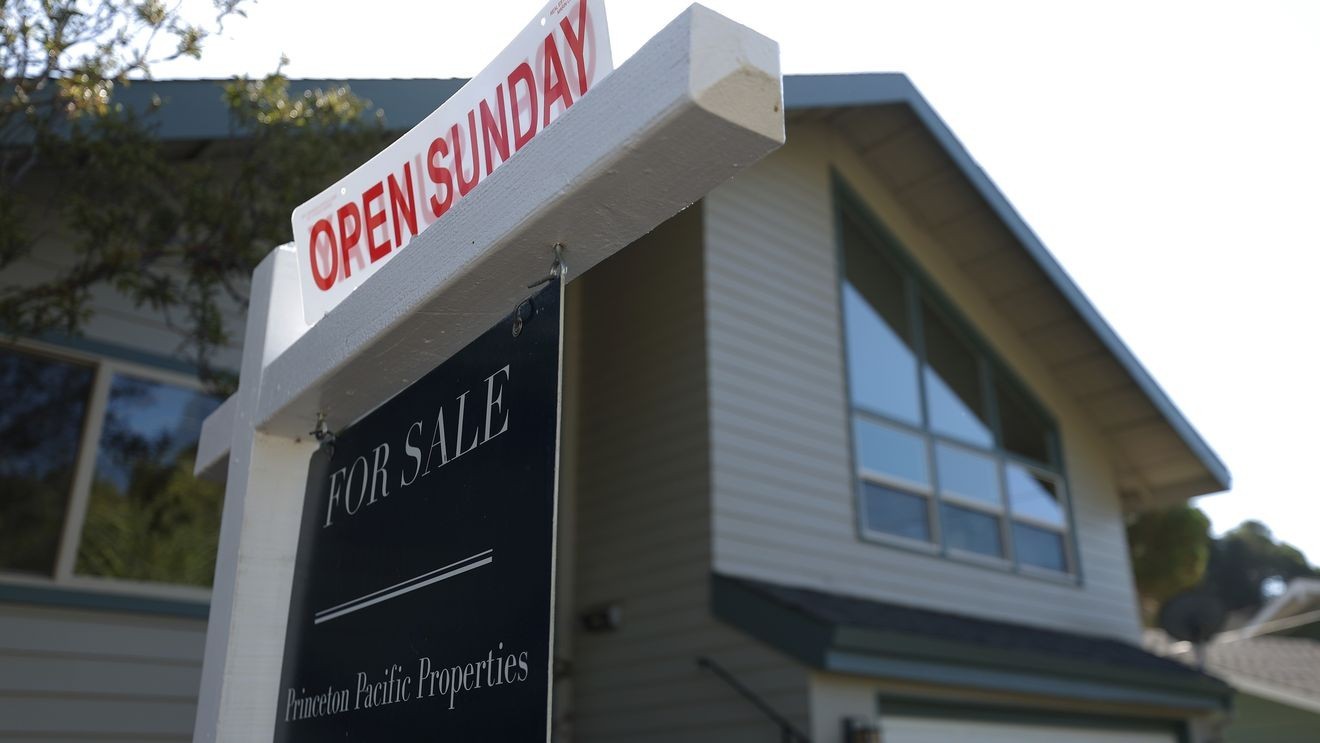
The National Association of Realtors reported on April 14 that existing-home sales fell 3.6% in March month-over-month and 1% year-over-year, with the median price setting a record of $408,800, the 33rd consecutive month of annual price increases. NAR Chief Economist Lawrence Yun cut his 2026 forecast from 14% growth to 4%, blaming the Iran war's effect on oil prices. Oil reached $115 per barrel in early April, double the January price. Mortgage rates rose from 5.98% in February to 6.37% now. A two-week ceasefire between the US and Iran temporarily eased oil prices, but Yun expects rates to stay above 6% while the conflict remains unresolved. The US has a seller surplus of 630,000 properties, the largest buyer-seller gap on record.
The spring housing market is frozen by a war no one expected to touch US mortgage rates. The economy is being taxed by the Middle East in ways that no domestic policy tool can fix.
Prediction Markets
Prices as of 2026-04-14 — the analysis was written against these odds
The Hidden Bet
The Iran ceasefire will hold and oil prices will normalize
The two-week ceasefire expires April 22. A second round of talks has been offered by Pakistan but not confirmed. If talks fail and the conflict resumes at full intensity, oil could push above $130/barrel and mortgage rates could follow to 7%+. The housing market would not recover in 2026.
Record home prices indicate a healthy housing market
Prices are high because supply is constrained, not because demand is strong. Sales volume is at multi-year lows. A record median price in a market with 630,000 more sellers than buyers means sellers are still holding firm, but buyers are not bidding. At some point, sellers capitulate rather than wait, and prices correct sharply.
The Fed has the tools to fix housing affordability
The Fed's rate decisions affect mortgage rates through Treasury yields, but if oil-driven inflation is keeping rates elevated, the Fed faces the same dilemma it faced with tariff inflation: cutting rates into a supply shock makes inflation worse. The market already prices a 99.5% chance the Fed holds steady this month. Housing cannot wait for an inflation-neutral rate cut that may not come in 2026.
The Real Disagreement
The real tension is whether this is a temporary war disruption or the end of the housing recovery that never fully happened. One reading: once the Iran situation resolves, oil comes down, rates normalize, and the 2026 spring market picks up in summer. Another reading: the housing market was already in a prolonged slump before the Iran war (sales essentially flat in 2025, the second consecutive slump year), and the war simply made a slow-motion problem acute. The second reading is harder to dismiss because the fundamentals were already broken: a 10-million-unit shortage, 33 consecutive months of price increases, and affordability at historic lows. Mortgage rates above 6% are the same rates that killed the 2023-2024 market. The ceasefire buys a pause; it does not buy a recovery.
What No One Is Saying
The White House's own economists acknowledged a 10-million-home shortage in the CEA report released Monday. Regulatory cuts to spur new construction cannot fix a problem caused by oil-price-driven mortgage rates. The administration created the Iran war conditions that are now harming the housing market its base cares most about.
Who Pays
First-time homebuyers
Immediate; every day rates stay elevated excludes more buyers
At 6.37% on a $408,800 median home, the monthly payment before taxes and insurance is approximately $2,550, up from $2,220 at 5.5% and $1,900 at 4.5%. Each rate point is roughly $300/month that separates a buyer from the market.
Existing homeowners who need to sell
Ongoing through the spring and summer selling season
With 630,000 more sellers than buyers, sellers competing for a shrinking buyer pool; 46.3% of listings have already cut prices; those who need to sell (divorce, job change, estate) absorb the most downward pressure
Home construction workers
6-12 months as project pipelines drain
New-home sales forecast revised to flat by NAR; builders who started production in anticipation of a 14% market recovery are now facing a 4% market; projects get shelved, layoffs follow
Scenarios
Ceasefire holds, summer recovery
The US-Iran ceasefire extends beyond April 22. Oil stabilizes around $85-90/barrel. Mortgage rates drift back toward 6.0%. The spring market picks up in May-June, salvaging a modest recovery. NAR's revised 4% forecast holds.
Signal Pakistan or another mediator announces a second Iran ceasefire extension before April 22, and oil futures drop below $95/barrel within one week
Ceasefire fails, market freezes
The April 22 ceasefire expires, oil surges past $120/barrel, mortgage rates approach 7.0%, and spring home sales fall below 4 million annualized. NAR revises the forecast again, this time to flat or negative. The White House faces a housing collapse heading into midterm season.
Signal No ceasefire extension announced by April 21 and a spike in 10-year Treasury yields above 4.7% within one week
Price correction begins
Sellers who have been holding for two years begin capitulating as days-on-market stretch. Median prices fall 5-8% by year-end as inventory builds. Buyers return but only at lower prices, creating a correction that was already overdue.
Signal NAR's monthly data showing a 2%+ month-over-month price decline, or Redfin reporting that the seller surplus grows beyond 700,000 by June
What Would Change This
A credible, permanent end to the US-Iran conflict that brings oil below $80/barrel would normalize mortgage rates within months and unlock the housing market. Short of that, a Federal Reserve emergency rate cut citing geopolitical risk would temporarily suppress mortgage rates, though it would also likely reignite inflation. Neither is the expected path.
Related
US Jobless Claims Hit a 57-Year Low. Economists Say the Real Pain Is Still Coming.
decisionInflation Just Crossed Above the Fed's Policy Rate for the First Time in Three Years
decisionThe Inflation Number Lands Three Days Before the New Fed Chair Does
decisionThe Labor Market That Cannot Be Described in One Sentence